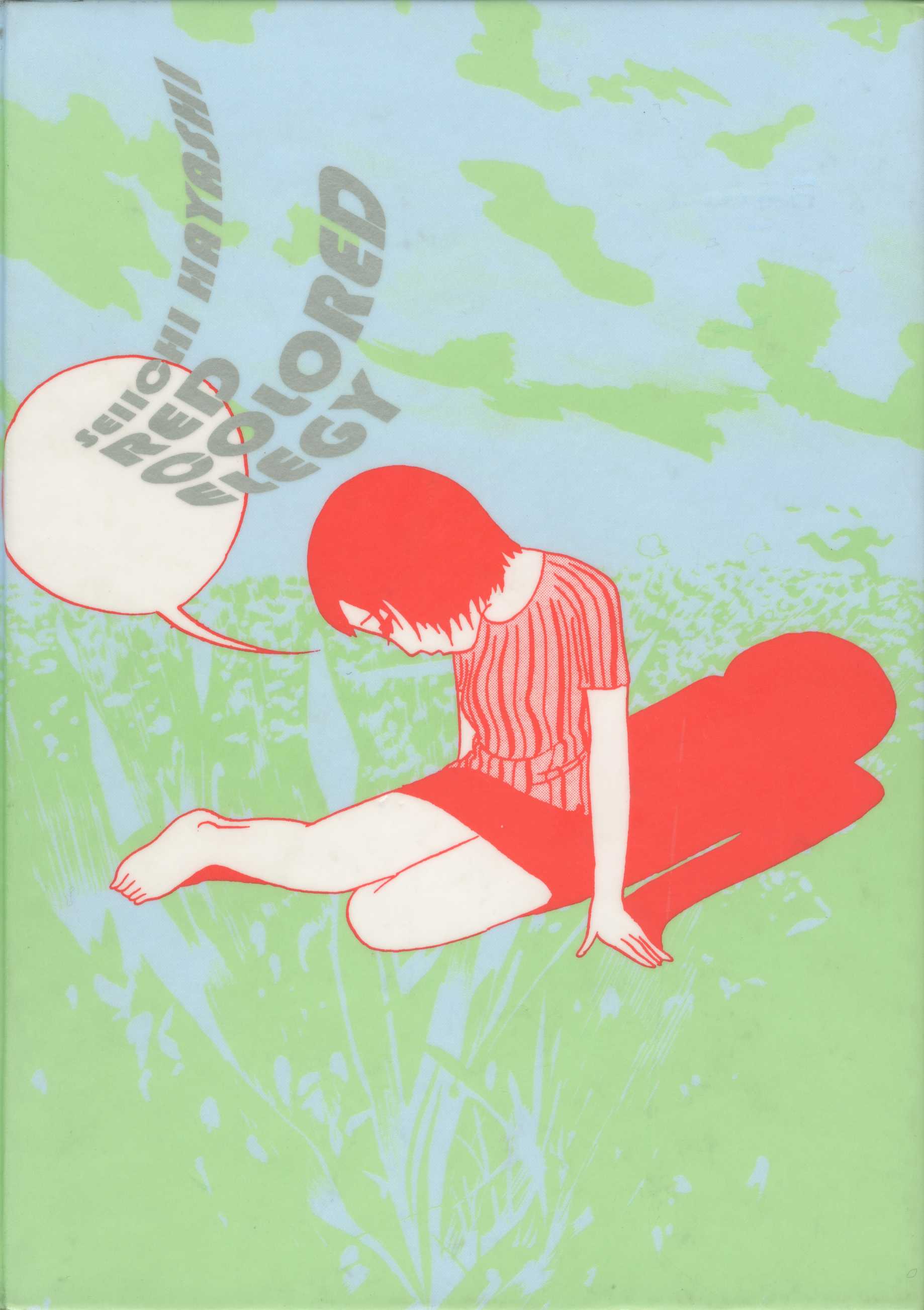
Drawn & Quarterly strikes again! But at least Red Colored Elegy
Seiichi Hayashi produced Red Colored Elegy between 1970 and 1971, in the aftermath of a politically turbulent and culturally vibrant decade that promised but failed to deliver new possibilities. With a combination of sparse line work and visual codes borrowed from animation and film, the quiet melancholy lives of a young couple struggling to make ends meet are beautifully captured in this poetic masterpiece.
Uninvolved with the political movements of the time, Ichiro and Sachiko hope for something better, but they’re not revolutionaries; their spare time is spent drinking, smoking, daydreaming, and sleeping – together and at times with others.
While Ichiro attempts to make a living from his comics, Sachiko’s parents are eager to arrange a marriage for her, but Ichiro doesn’t seem interested. Both in their relationship and at work, Ichiro and Sachiko are unable to say the things they need to say, and like any couple, at times say things to each other that they do not mean, ultimately communicating as much with their body language and what remains unsaid as with words.
Red Colored Elegy is informed as much by underground comics of the time as it is by the French Nouvelle Vague, and its cultural referents range from James Dean to Ken Takakura. Its influence in Japan was so large that Morio Agata, a prominent Japanese folk musician and singer songwriter, debuted with a love song written and named after it.
 So that’s it for the content. To spoil a bit, Ichiro and Sachiko break up near the end. She moves on (or attempts to) with a coworker or hers while Ichiro slouches around getting drunk and complaining about how miserable he is – even though he’s the one who scuppered their chances at getting back together with his uncooperative attitude. Needy, whiny and unfaithful though Sachiko may be, she can definitely do better than Ichiro so their breakup is a happy ending, of sorts.
But as I said, I can see how this would be influential. The story is told in a vague, disjointed manner, but there’s a sequence to the events, there are recurring characters, things move from Point A to B in a meandering but inevitable way. As long as you make your point in the end, there’s nothing wrong with enjoying the process.
Plus I bet the “sparse artwork” style must have been a great inspiration to mangaka who can’t draw all over Japan. Interesting characters can cover mediocre art much better than bad characters/story-telling can make up for good art. That said, Seiichi Hayashi does show at several points that he’s an excellent artist when he wants to be. The idiosyncratic design choices seem to be a deliberate decision. And of course if your manga becomes a hit, critics will find something nice to say about the art no matter how bad it is. In fact it might become your signature feature, as with the author of Akagi/Kaiji.
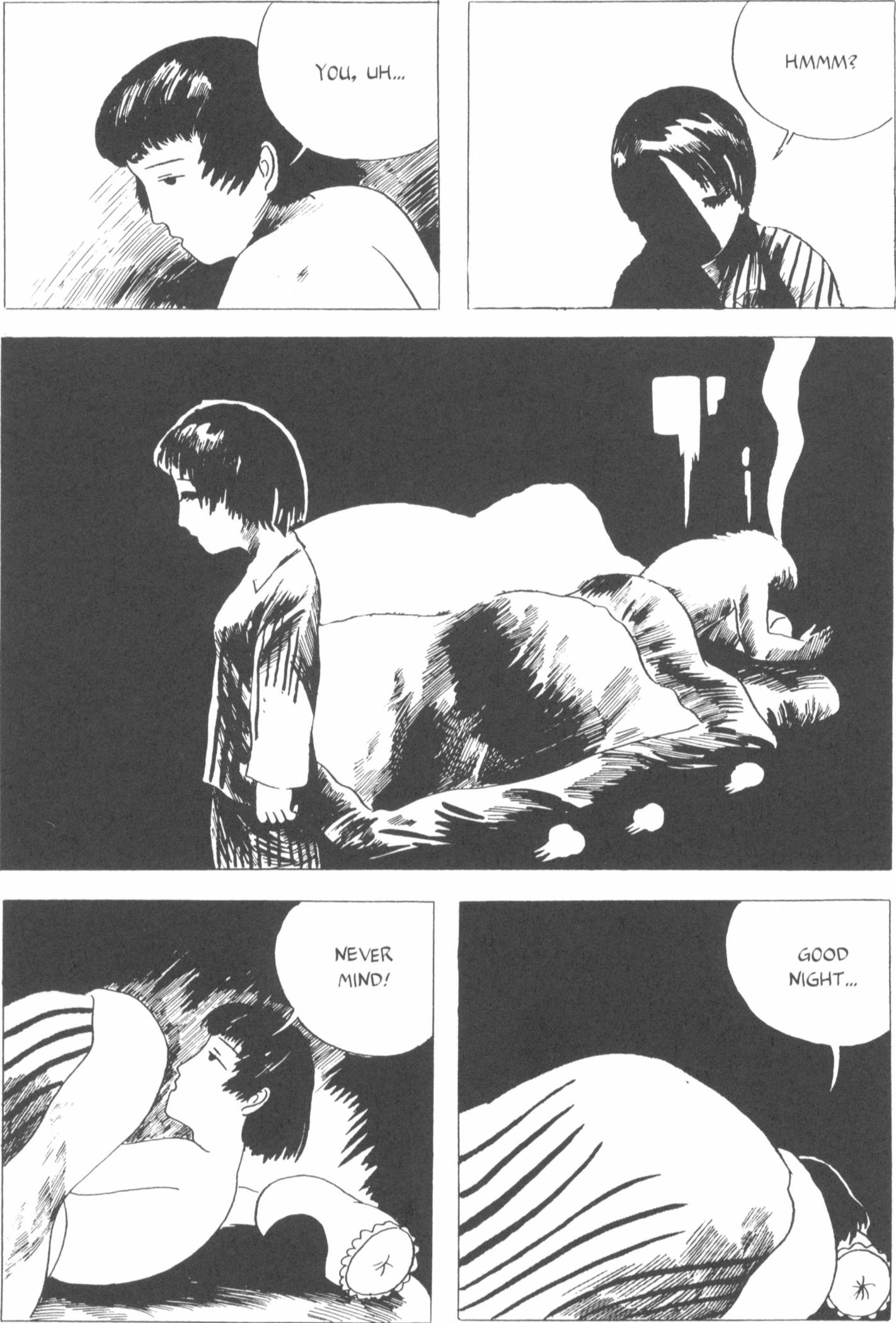 Third source of inspiration: the blah-ness and dreariness of Sachiko and Ichiro’s relationship. Though sadly enough such depictions haven’t caught on as much as I would like. I’m probably reading the wrong kind of manga and should try more alternative manga (…no.) but romantic relationships in manga tend to be either over-the-top lovey-dovey with some stupid misunderstandings thrown in or thoroughly dysfunctional from start to finish but they stay together because he’s the hero and she’s the heroine.
Red Colored Elegy instead paints a realistically bleak picture of a relationship that’s going nowhere. Go to work, work work work, drink after work, come home, work some more, argue, sleep together or not sleep together, wake up the next day and start all over again. Except nothing in life ever stays the same, so external events (particularly the death of Ichiro’s father), internal conflicts and their own personal demons all conspire to drive the couple apart, most likely for good. Is that realistic or what? Not saying happy, normal relationships are any less ‘real’ but
That said, I have an innate dislike for stories about cohabiting couples, since I am morally opposed to that practice. Putting my beliefs aside, though, I think Seiichi Hayashi made an excellent case against irresponsible shacking up just by depicting Ichiro and Sachiko’s dreary everyday existence. Their lack of planning, lack of responsibility, lack of commitment despite their physical relationship, lack of exclusivity and their relationship’s abrupt end is all one big “Babies shouldn’t be making babies!” advertisement, whether it means to be or not.
That doesn’t mean I enjoyed Red Colored Elegy, though. It might be interesting for avant-garde manga buffs or people looking for a short manga light on dialog. That’s about it, really.
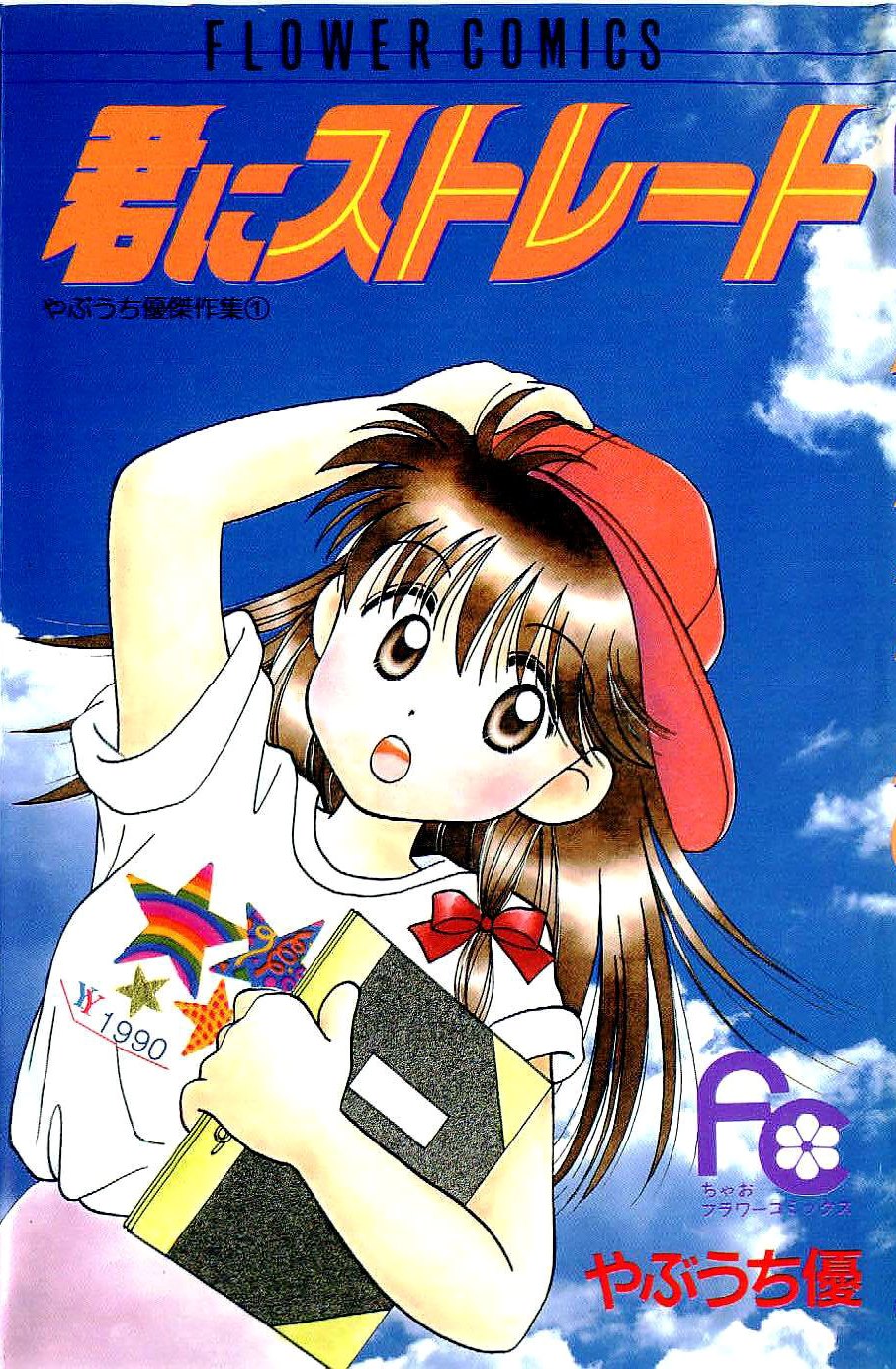
 is a collection of one-shots by Yuu Yabuuchi, a shoujo mangaka. She’s not as super popular as some other shoujo writers, but she has had some big hits with Shoujo Shounen, Mizuiro Jidai and Naisho no Tsubomi, which won the 2009 Shogakukan Children’s Manga Award. Looking at Mangaupdates I see other titles of hers that should be known to western fans: Ani-com, Chiko’s Wish (another collection of one-shots),
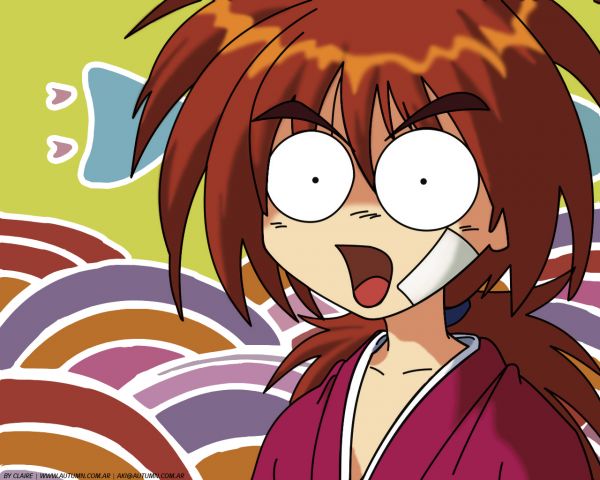
 wasn’t the first manga I ever read, but it was the first one I ever read online. That was back when Viz had only just gotten started and hadn’t gotten round to licensing most of the juggernauts it later got. I caught a few episodes of the
  on TV one day, got hooked, went hunting and got hooked like nothing else before.