Outlanders volume 1 manga review

I’ve realized that if I don’t write something immediately after finishing a series or a volume, I end up not saying anything at all. Which is fine, I guess, but it does rather defeat the purpose of having an anime blog, doesn’t it?

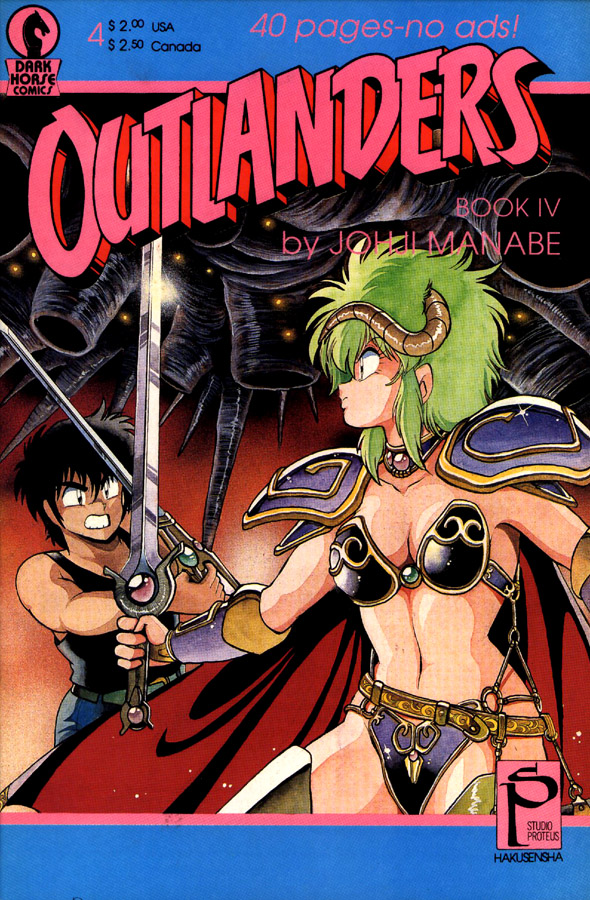
Outlanders is a 1985 classic sci-fi/romance manga by Johji Manabe. It tells the story of Wakatsuki Tetsuya, a freelance photographer whose world is destroyed – literally – when aliens invade the Earth claiming they were here first. The aliens are led by headstrong Princess Kahm, and by the end of volume 1 she seems to have taken a shine to our young Tetsuya. Calling the manga a ‘romance’ is a bit of a spoiler though, because as of volume 1 she’s still actively trying to kill him. But the author notes at the end identify it as such and so does Wikipedia. If I have to be spoiled, then so do you.

I’d heard a lot about, but never actually read it until two hours ago. I’m kind of sorry I waited so long to try it because I enjoyed it. The story itself is slightly predictable (of course the army is going to fail to stop the invaders, duh) but all disaster movies/series tend to be predictable to an extent. The real fun comes from three things.

Outlanders v1 p095-0961. The designs of the various spaceships and organic weapons the aliens use. All holes and tentacles and protrusions and stuff. It’s all unpleasantly organic at first, but once you find out they’re all alive, they start looking just a little bit cute. They are extremely detailed as well, so I believe Johji Manabe when he says they were a nightmare to draw, especially for a fledgling artist

2. It’s a conspiracy theorist show with a small cast. I enjoy conspiracy theory shows to an extent, but in practice most of them have sooo many different parties doing sooo many different things and new people constantly coming out of nowhere that they’re a nightmare to follow. Here there’s definitely some shadowy ‘Great Leader’ pulling the strings on earth but there are only two real factions – Earth vs. Aliens with Kahm & Tetsuya in the middle, so it’s like conspiracy-lite. I can deal with that.
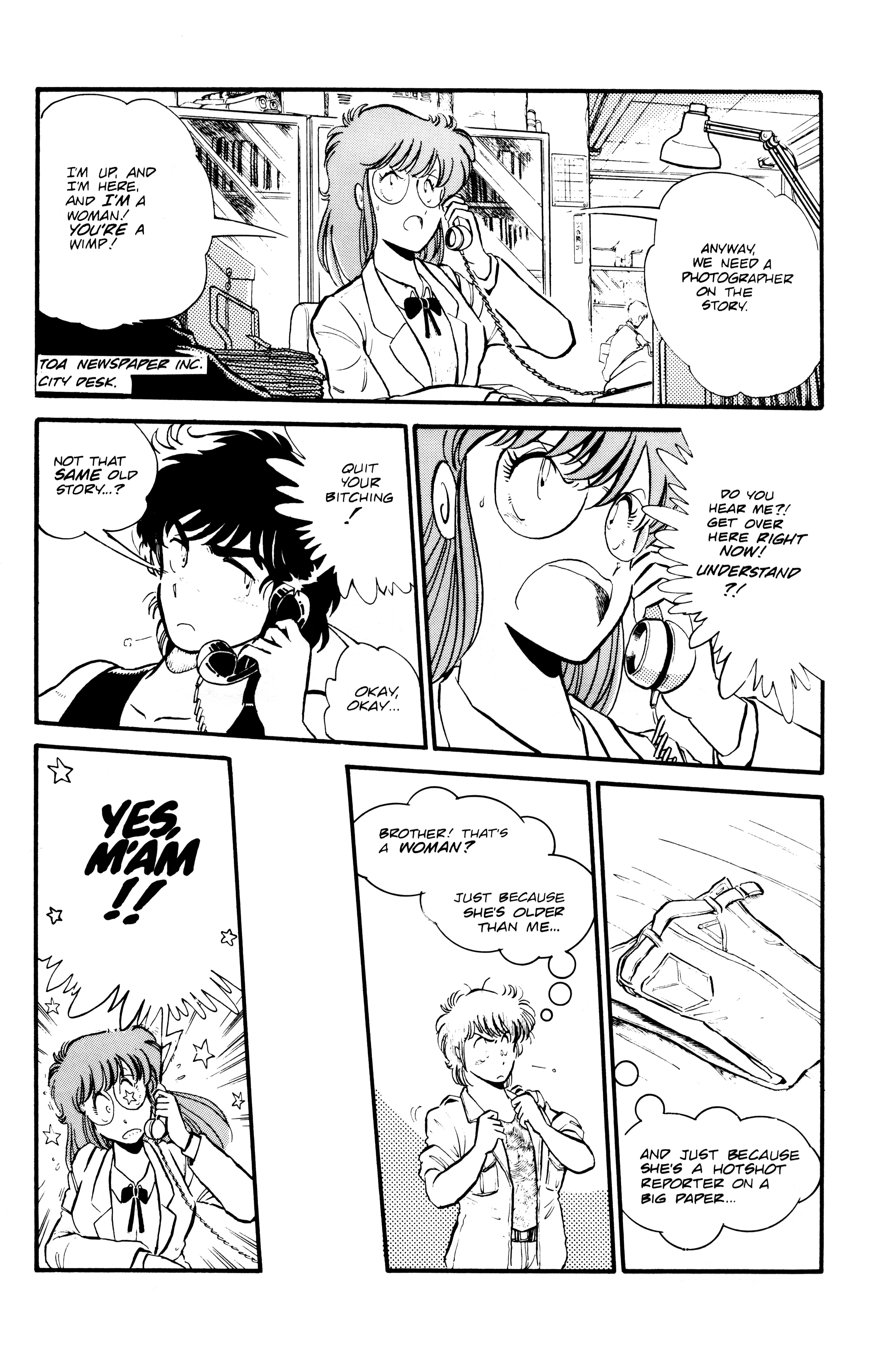
Outlanders v1 p0103. The natural translation and hand-lettering really takes me back. I’m an amateur translator myself, and when I read scanlations and recent official releases I find it quite easy to picture the original line in Japanese. And that’s for those that bother to localize and don’t just use honorifics and Japanese terms wholesales. Those that whine “waah, it’s so hard, waah I caan’t” [caveat: it is hard, and I’m equally guilty] can go back and read these and other releases by Dana Lewis and the late Toren Smith, or just all of Studio Proteus’s work in general. That way you can’t argue that Outlanders doesn’t deal with a lot of Japanese culture and stuff.

As for Wayne Truman’s lettering, well I just like lettering. And after the horrendous fonts and typesetting in Dororo, and indeed in all of Vertical Inc’s releases, it’s so refreshing to see font that isn’t too large and bubbles that aren’t overcrowding and a font that shouldn’t be mercifully put down. Truman’s lettering does suffer from the usual tendency of comic letters to bold seemingly every other word no matter how relevant/irrelevant it is, and it isn’t centered most of the time, but it still doesn’t matter because the overall effect is fresh, open and lively. Computer lettering is so convenient I can’t imagine anyone going back to doing it by now, so we just have to treasure these old comics where we can. I couldn’t find much info about Wayne Truman online, but I hope he’s doing well and lettering more comics even today.

Volume 1 of Outlanders was mostly action, with Tokyo quickly being trashed and plenty of explosions and decapitations. That was gripping in its own way, but now I’m about ready for some explanations. And for some exploration as Tetsuya gets to be my earthling eyes and explore the alien world for me. I wouldn’t mind seeing that spoiler romance finally come to fruition as well. This should be good.
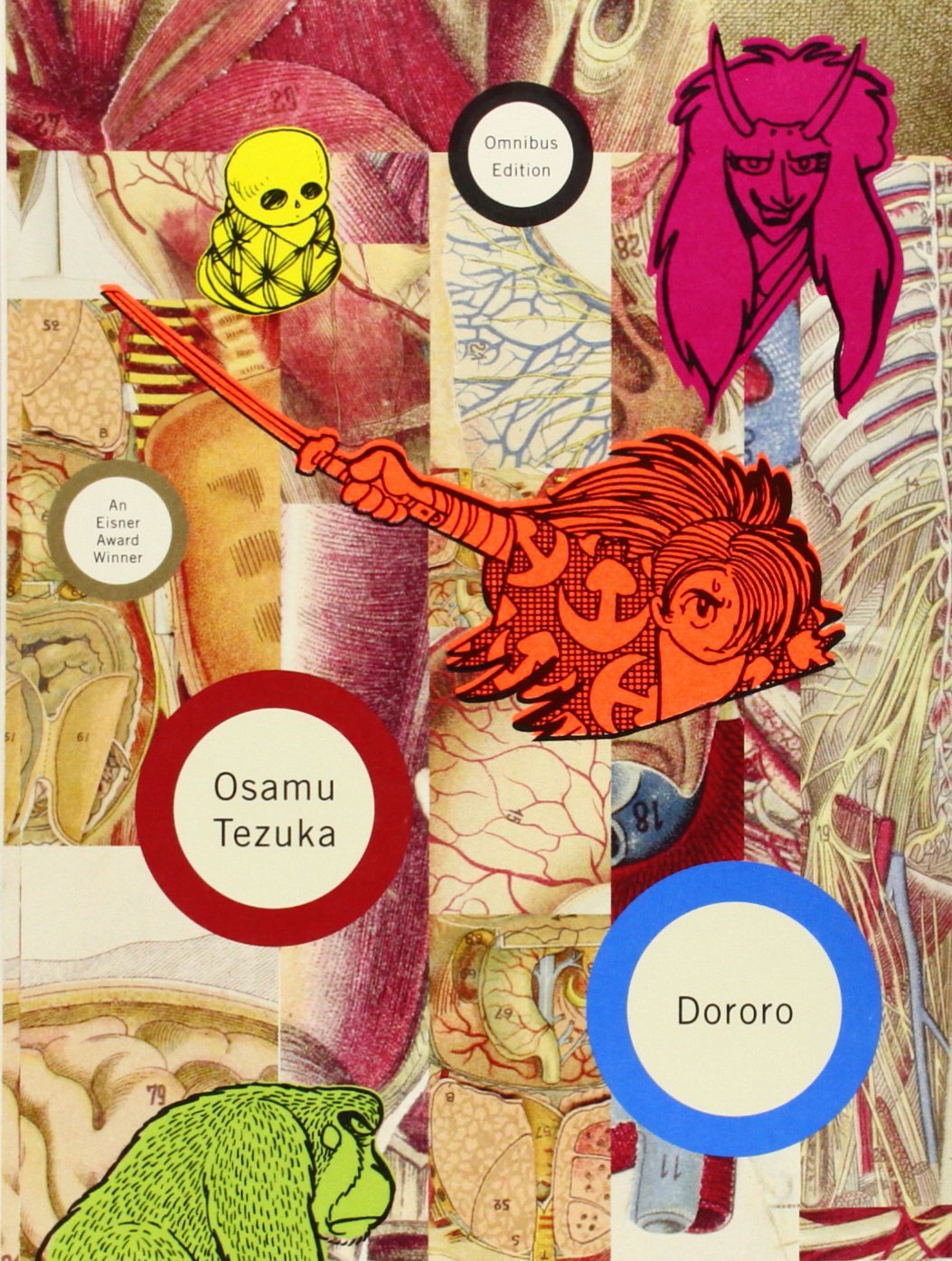
 

Dororo manga review

Another work by Osamu Tezuka! I’ll get to the bottom of his popularity if it’s the last thing I do… is something I never said, but I am more than a little curious to find out why he’s called the godfather of manga. Is it just because he was the first to get popular or did he actually have something more to his fame? With Dororo I’m a little closer to the answer, because this was actually pretty enjoyable. Here’s the summary:

A samurai lord has bartered away his newborn son’s organs to forty-eight demons in exchange for dominance on the battlefield. Yet, the abandoned infant survives thanks to a medicine man who equips him with primitive prosthetics – lethal ones with which the wronged son will use to hunt down the multitude of demons to reclaim his body one piece at a time, before confronting his father. On his journeys the young hero encounters an orphan who claims to be the greatest thief in Japan.

The greatest thief is the one called Dororo. Our samurai pal is actually called Hyakkimaru, which means something like Hundred Demon Boy, if I recalled correctly. The original manga is 3 volumes long, which is how I read it, but I just found out there’s an omnibus version as well on Amazon, all three volumes in one. That’s probably the space-saving, economical way to get it. There’s a (Japanese-only) video game and a 2007 movie as well, none of which I care to explore, but it just goes to show that this is one of Tezuka’s better known and more popular manga.

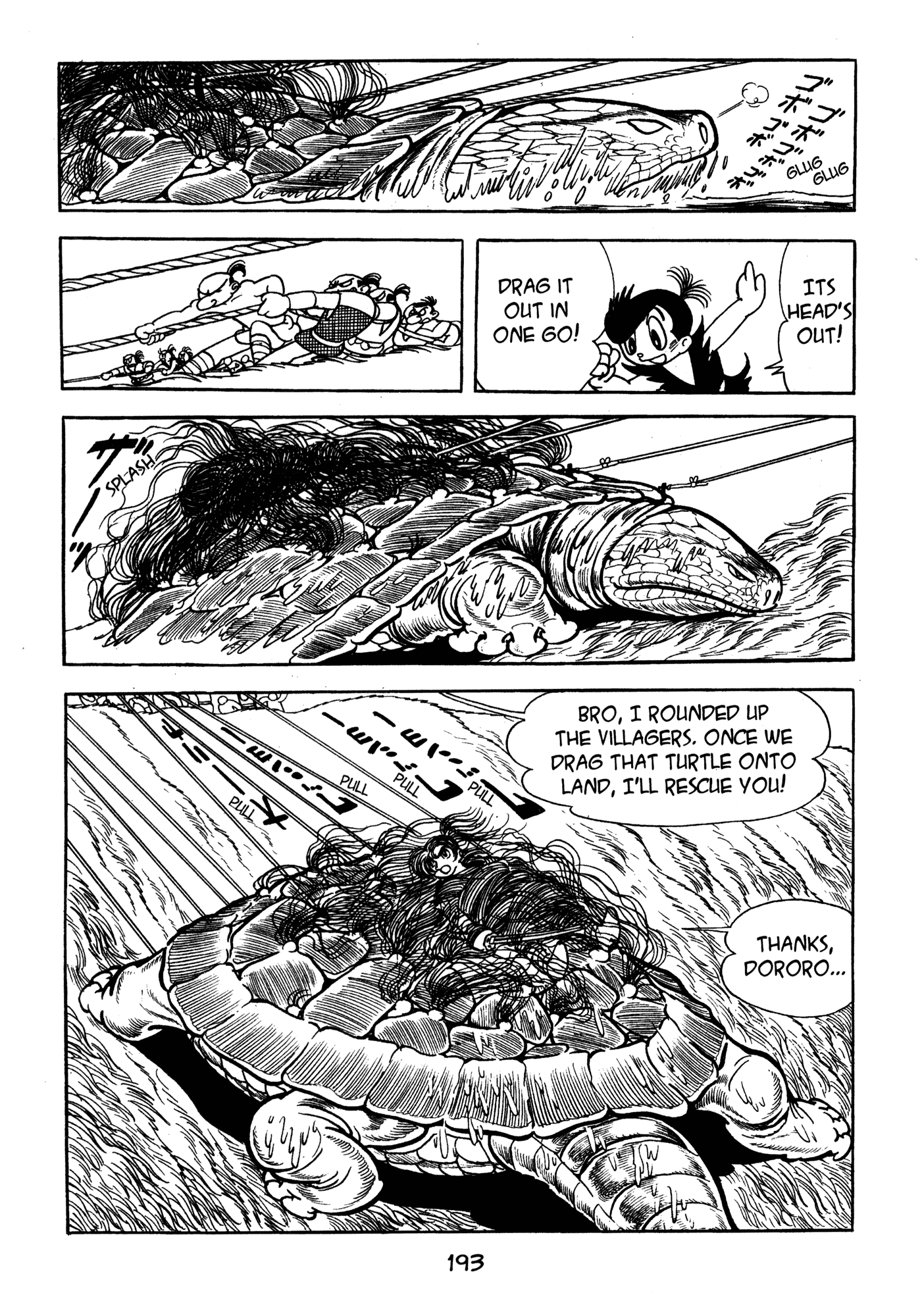
Dororo-v3-p195Which isn’t to say it’s particularly good or anything, but after reading trashy potboilers like Ayako and amateur dreck like Lost World, it’s nice to encounter something that at least has potential and that might actually have been groundbreaking and exciting 50 years ago.

Right now it’s just a so-so buddy movie kind of story – the hardened veteran and the plucky rookie kind of thing. Hyakkimaru and Dororo build up a nice friendship over the course of the series as they learn to trust each other and work together… which just makes the ending where Hyakkimaru leaves Dororo behind and walks away never to be seen again rather maddening. Especially since it’s been shown time and again what a crappy world they live in where the poor are trampled on repeatedly and everyone falls prey to hungry demons all the time. Dororo was probably safer with Hyakkimaru but, well, the author clearly wanted to stop the series and couldn’t figure out how, so this is the best he could come up with. Remind me why Tezuka is considered a genius again?

Still Dororo (the series) does have moments of excitement and emotion, like when we learn Dororo’s backstory, or the whole adventure on the island looking for the treasure Dororo’s father left behind. It’s never dull either because there’s always some demon-rustling action going on, whether it’s setting traps for demons or luring them out or just plain hacky-slashy action, it’s all good.

There’s a lot of blood splashed around on every page but otherwise the action isn’t very gory (no entrails and stuff). There’s no sex or sexual violence either and not too much bad language outside the b-word, if I recall correctly. I recommend it for: fans of demon-slaying period pieces, fans of cheap tragedy tragic heroes, fans of buddy movies and anyone who likes series where the heroes travel around killing various monsters of the day. As long as you’re not looking for any proper conclusion or you’re fine with filling the gaps with your own imagination Dororo makes a good one-off summer’s day read.


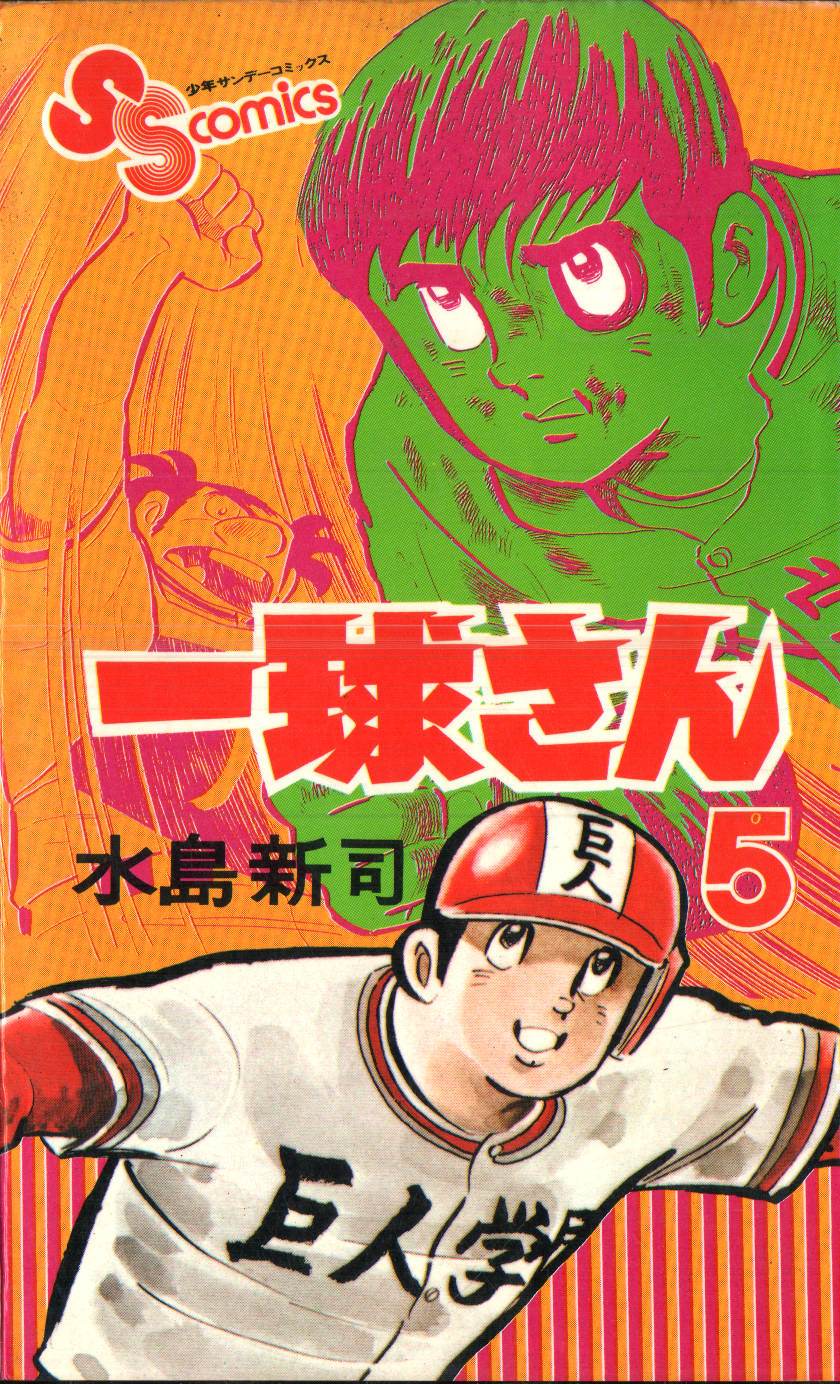
Ikkyuu-san volume 5 manga review

What, you thought I’d dropped Ikkyuu-san, did you? I very nearly have, but I decided to see through the end of the inter-team game first, just for closure. I’m probably going to skim volume 6 really quickly, but the manga isn’t good enough to finish so I’m not going to bother.

The results of the game – Team B managed to reverse Team A’s 10-run lead and beat them, making Coach Iwakaze the new coach, but he’s recruited the other coach to help him groom Ikkyuu. Turns out the other coach has realized Ikkyuu’s potential as well. Yeah, yeah.

Meanwhile Team A pitcher Ootomo has gone missing, and the rest of Team A is pissed off because they blame him for the loss. They’re waiting for him outside his crush Reiko’s birthday party, but Ikkyuu tries to persuade them that ganging up on one guy is not the manly way to do things. Just then several members of Team B challenge Ikkyuu to a one-on-one battle, but then Ikkyuu’s friend Kurou says he wants to fight them, so now he starts fighting Ikkyuu and it’s just a total mess. What a terrible manga.

I’m pretty disappointed with the way Ikkyuu-san has turned out. Normally I love sports stories about characters who don’t know they have a certain skill and then they’re discovered by someone who trains them into a prodigy and then everyone is like WOW, THEY’RE SO GOOD! and stuff. Wish fulfillment, of course, but enjoyable stuff nevertheless. So that’s the kind of stuff I was expecting when I picked this manga up, but it really fails at that.

First off, it skips straight to the WOW, THEY’RE SO GOOD! part without actually showing what makes Ikkyuu so good. He makes rookie mistakes all the time and doesn’t play particularly well until the latest volume, but from the start most side characters have been fawning over him. The people who aren’t crazy about him are his own team mates, and they’re portrayed as dumb and jealous for not realizing how wonderful Ikkyuu is. It’s really annoying because the reader is being painted the same way by association. I gave the Ikkyuu-san manga 5 volumes to impress me and pull me in and it has’t done so, so I think now’s a good time to call it quits. Verdict: Not particularly recommended, even if you’re really bored.

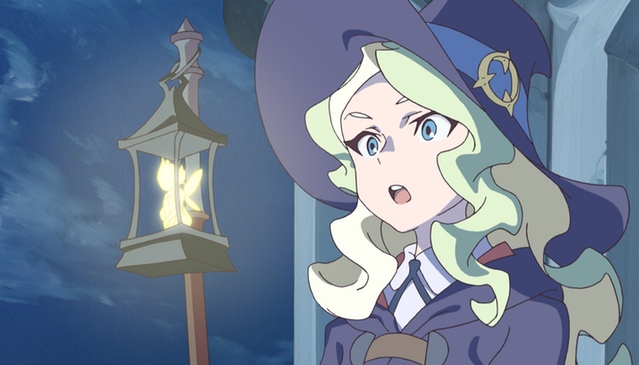
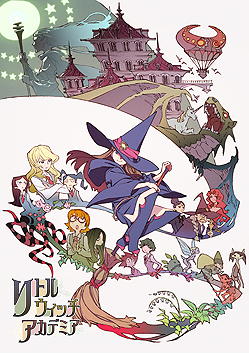
Little Witch Academia anime movie review

Another short anime movie from the Young Animator Training Program I mentioned in my last post. For various reasons I’m too lazy to analyze (the Western-cartoonish designs, the Harry Potter-inspired plot, the Disney-like plot), Little Witch Academia was a smash hit with Western fans while making only minor waves at best in Japan. Western anime fans liked it so much that they contributed a boatload of cash towards the making of a sequel, due out whenever it’s ready, though it seems to be coming along quite well. Still, just because it’s popular doesn’t mean I’ll like it. But to get the question out of the way early, yeah it wasn’t half bad.

Honestly, as a non-Potter non-Disney fan I don’t entirely see what all the fuss was about, but it’s a nice little (predictable) but fun show. The stubborn, lazy “I want to be a witch because witches are cool, but I don’t actually want to work at it” main character Akko takes a bit of getting used to, but the rest of the cast is reasonably down-to-earth and everyone can see her for the idiot that she is, so that helps. Besides, the cast spends half the movie running from a hungry dragon. It’s easy to overlook the small stuff when you have bigger fish to fry – or be fried by, as the case may be.

LittlewitchacademiacoverHowever I did have a little problem with the moral of the show, which seems to be that if you keep your head in the clouds and keep idolizing your heroes instead of actually working hard, fate will someday favor you with just the tools you need to shoot to success ahead of your more disciplined peers. It’s the kind of message self-improvement seminars are made of. Oh sure, they dress it up all nicely as “Believe in magic/yourself/whatever”, but in practice Akko whined and slept in class and acted recklessly half the time and basically just got lucky to stumble on a magic staff which worked through her ‘power of belief’ to destroy the dragon. How convenient, but hardly the kind of thing a young witch can bank on, is it?

But, as I said, it wasn’t bad at all. Short, cute, brightly-drawn, action-packed, happy ending, we’re all friends tra-la-la. I don’t think I’d watch it again, but I will watch Little Witch Academia 2 when it comes out to see how Akko grows and develops, if at all. And if the sequel does really well and they make a TV series? Yeah, I’d watch that too. But I’m not holding my breath.

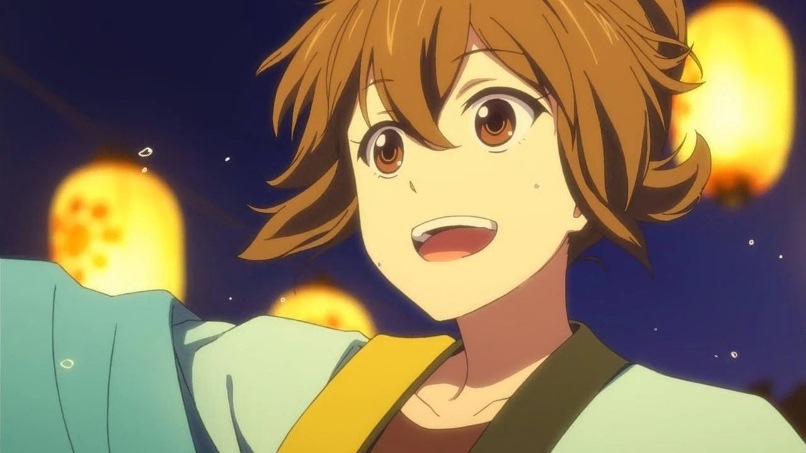
Aki no Kanade anime movie review

Aki no Kanade is a short 25-minute anime that was produced in 2015 as part of Japan’s Young Animator Training Project program. It’s a government-sponsored program that does exactly what it says on the tin, but I can’t help feeling that the anime industry wouldn’t need to resort to such programs if they only paid animators a living wage and let them keep reasonable work hours. Make it like a regular job, in other words. But instead of doing that, they’re doing quick patches like this project either. Well we got a nice anime short out of it, so that’s good enough.

Summary: Aki Miyagawa moved to Tokyo to pursue her dream to be a taiko drummer, but had a hard time balancing her strict training regimen with her part-time job. Now, after 15 years, she’s returning to coach others for a taiko festival.

It’s a good little show. The good thing about short-shorts is that they don’t waste too much time setting things up characters and stories, they just jump into things straight away. So it starts off with Aki unlucky in life and in love, quickly takes her back to her hometown, quickly covers her backstory and how she came to love taiko drums so much, then poof, on with the show!

The music was good, especially the drum performances. The animation was nothing remarkable. Not QUALITY, but not “Wooow so fluid!” either. The background art and buildings and environments were all very nicely done. Those young animators are pretty talented.

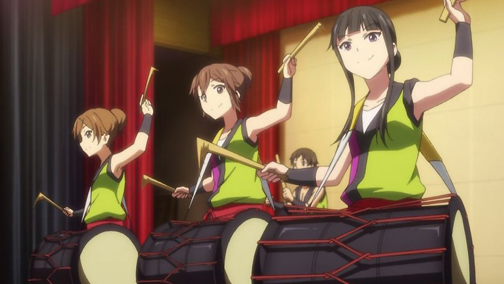
aki o kanade2Aki’s passion for the drums came through very clearly, as did the fun the entire club had working together to make music. It made me wish I’d joined some student orchestra or amateur music group or something in my youth. Her frustration with her life and her strained relationship with her father also come through quite well in what little time is given. Other characters besides Aki don’t get much attention and are mainly generic anime cliches (girly friends, boring mother, guy who has a crush on her that she totally doesn’t notice, etc) but the title says it’s Aki no Kanade, so what do you expect?

For better or worse, Aki no Kanade tells a complete story in only 25 minutes, so I’m willing to let everything else slide. Someone I spoke to was unhappy because we don’t find out what happens to Aki next – does she success as a pro? Does she give up? Does she date Yoshioka-sensei (I didn’t see no ring), Naoto or the Civil Engineer guy in the beginning? Does she ever reconcile with her father? It’s open ended enough to give you room to imagine the future, but not so much so that I was unhappy with the ended. I thought it was a great little show. Highly recommended to anyone with 25 minutes to spare.