Boy meets Girl ~Mound no Shoujo~ manga review

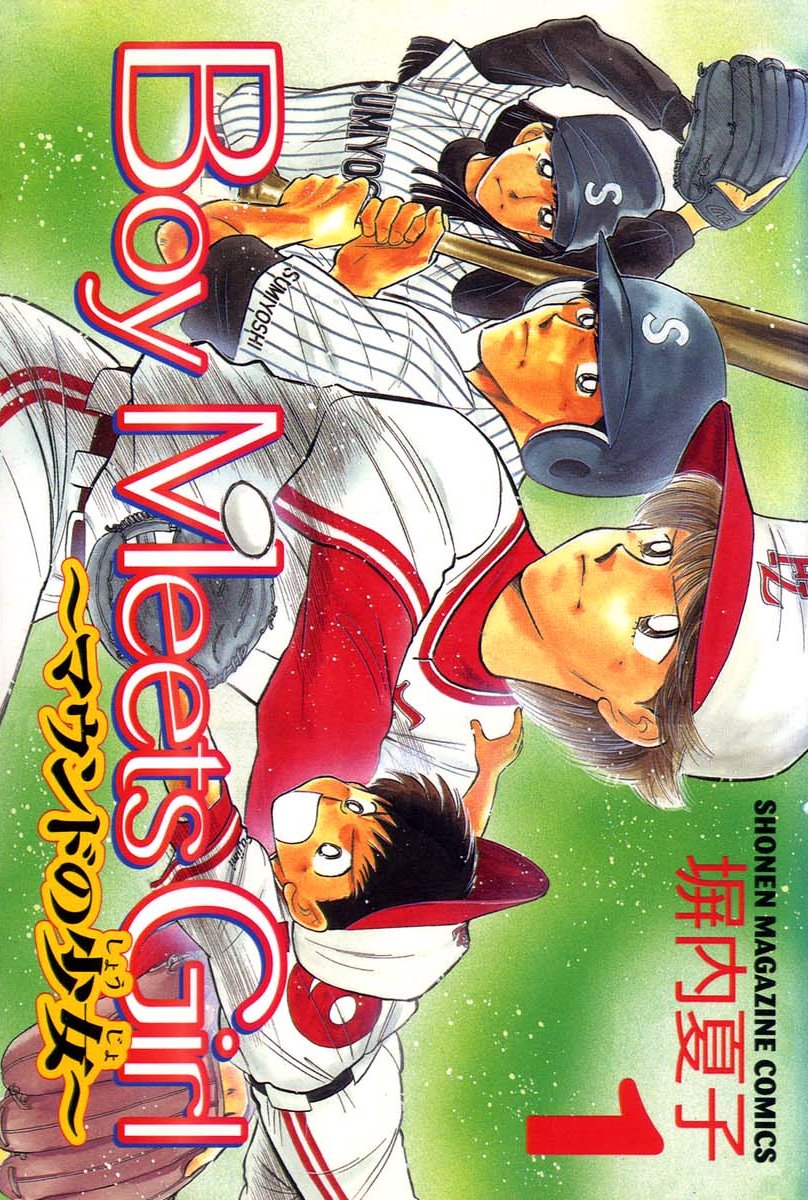
No, I hadn’t forgotten that I was on a baseball manga kick. I’m slowly weaning myself off it and reading other stuff in increasing amounts, but I’ve still got a mountain of baseball manga left to try. Currently on the chopping block: Boy meets Girl ~Mound no Shoujo~(~マウンドの少女~) by Natsuko Heiuchi.

It’s a bittersweet sports romance story about a short little leaguer named Fumitake Morita (Moritake for short) who has a huge crush on his little league team ace, a tall girl named  Shiori Kanzaki. Unfortunately Moritake suspects and becomes increasingly certain that Shiori has a crush on the catcher/clean-up of one of their rival teams. What, if anything, is he going to do about these feelings he has for her?

Along the way Shiori herself has to deal with the changing balance of power on the team as the boys reach puberty and begin to grow taller and stronger faster than she can keep up. Moritake especially starts out as a shrimp who can’t even hit a double, much less a triple, but by volume 2 he’s hitting home runs and batting better and running faster than ever before. Shiori meanwhile hits a slump and begins to contemplate quitting baseball altogether. And on top of all that there are rumors her family might be moving away soon. What’s going to happen to this hurdle-fraught relationship? Does Moritake stand a chance with Shiori?

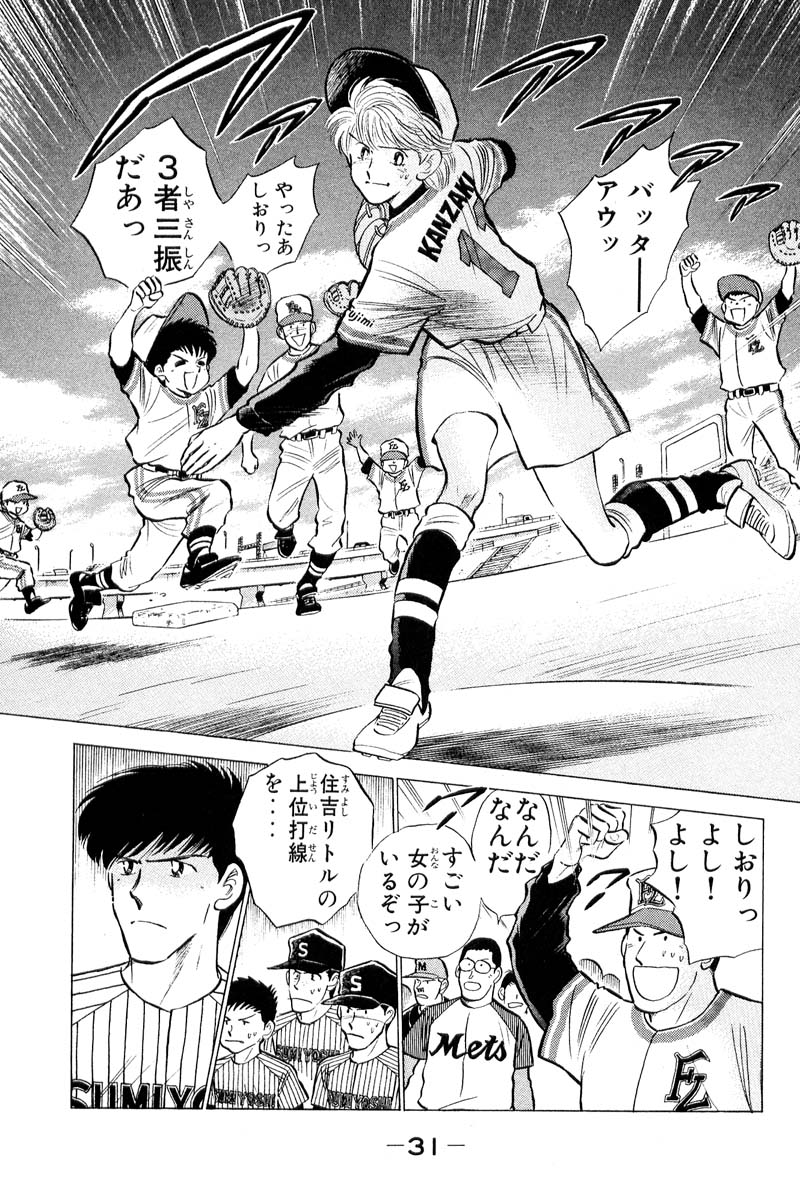
BoyMeetsGirl#1_031Heh, find out for yourself, I’m not telling. :-p I recommend you read it for yourself, seeing as it’s only 2 volumes long with full furigana. Moritake’s character is well-fleshed out and easy to relate to while Shiori – and the rest of the cast, come to think of it – remains an enigma until the end, but that just makes Moritake’s feelings for her all the more understandable. He’s a kid trying to be an adult and stumbling in all the typical kiddult ways, it’s just too cute.

As a bonus the baseball action is pretty good as well. The ending of the final game was predictable as most baseball manga final games tend to be, but the matches are fun to read, the art is clear and simple and the action is always easy to follow. And there were some moments where I went “What’s gonna happen next?! *doki doki*” but since the focus in Boy meets Girl is on the relationships rather than the game, such moments were few and far between.

If I write any more I know I’ll end up spoiling the ending so I’m going to stop here. I enjoyed it as a short, sweet baseball romance series that made its point and got the feelings across without resorting to the constant arguments and unnecessary melodrama that frequently characterize other baseball romance series (*cough*Adachi*cough*). If you’re not looking for anything deep and just want something you can read, enjoy and forget, give Boy meets Girl a try and see if you like it.

Ayako manga review (major spoilers included)

Ayako by Osamu Tezuka is supposed to be a classic of the genre by the supposed greatest mangaka of all time. Or so one would suppose to hear the way people go on and on about him. To be honest I’m not that familiar with Tezuka’s works apart from a little Astroboy (the new movie) and a little Black Jack, but if Ayako is anything to go by, I’m not missing much.

Btw, I’m not using the cover as a featured image as I usually do, because the front cover is a naked girl and the back cover is a silhouette of a woman hanging herself. When a ‘classic’ manga has to resort to cheap titillation to sell itself, that should tell you everything you need to know. Anyway, on with the official blurb:

Opening a few years after the end of World War II and covering almost a quarter-century, here is comics master Osamu Tezuka’s most direct and sustained critique of Japan’s fate in the aftermath of total defeat. Unusually devoid of cartoon premises yet shot through with dark voyeuristic humor, Ayako looms as a pinnacle of Naturalist literature in Japan with few peers even in prose, the striking heroine a potent emblem of things left unseen following the war.
Ayako p085The year is 1949. Crushed by the Allied Powers, occupied by General MacArthur’s armies, Japan has been experiencing massive change. Agricultural reform is dissolving large estates and redistributing plots to tenant farmers—terrible news, if you’re landowners like the archconservative Tenge family.

For patriarch Sakuemon, the chagrin of one of his sons coming home alive from a P.O.W. camp instead of having died for the Emperor is topped only by the revelation that another of his is consorting with “the reds.” What solace does he have but his youngest Ayako, apple of his eye, at once daughter and granddaughter?

Delving into some of the period’s true mysteries, which remain murky to this day, Tezuka’s Zolaeqsque tapestry delivers thrill and satisfaction in spades. Another page-turning classic from an irreplaceable artist who was as astute an admirer of the Russian masters and Nordic playwrights as of Walt Disney, Ayako is a must-read for comics connoisseurs and curious literati.
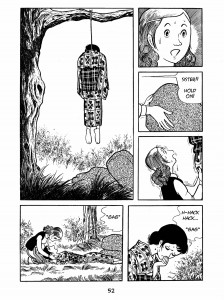
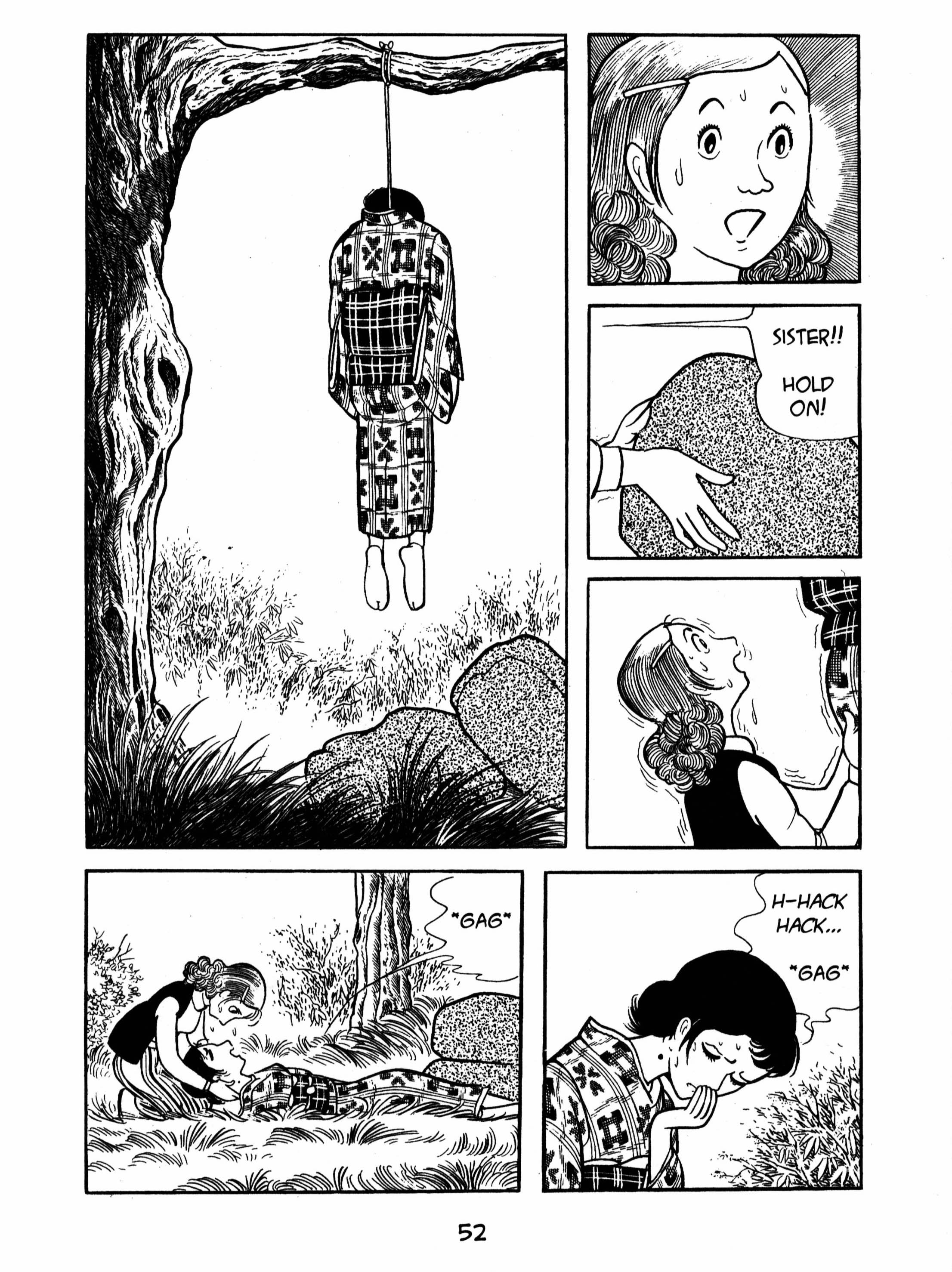
Ayako p052All right, let’s get one thing out of the way first – this is no “sustained critique of Japan’s” blah blah blah anything. For the first three or four chapters, yes, Tezuka does cover some of the tensions brought about by the occupation and the conflicting interests of conqueror and subject.

But that’s just in the very beginning, after that Ayako devolves into a bodice-ripping page-turner in the vein of Sidney Sheldon or V.C. Andrews. Sex, incest, betrayals, conspiracy, more sex and then Tezuka throws in a typically Japanese nonsensical downer ending and bam, we have a classic.

The tl;dr version of the story is that Ayako, the title character is born when Ichiro Tenge offers his wife Su’e up to his dad Sakuemon in exchange for an inheritance. Ayako is unlucky enough to learn too much of a crime committed by her uncle/half-brother Jiro Tenge and is locked away in a basement for 23 years to keep her quiet.

During that time she manages to have an affair with her uncle/half-brother Shiro Tenge, but she eventually breaks out, makes her way over to Jiro, acts crazy for a while, hooks up with the son of Jiro’s sworn enemy and then everybody except Ayako dies in a cave-in caused by Shiro, his way of purging the land of the treacherous, incestuous Tenge clan.
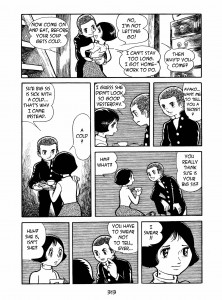
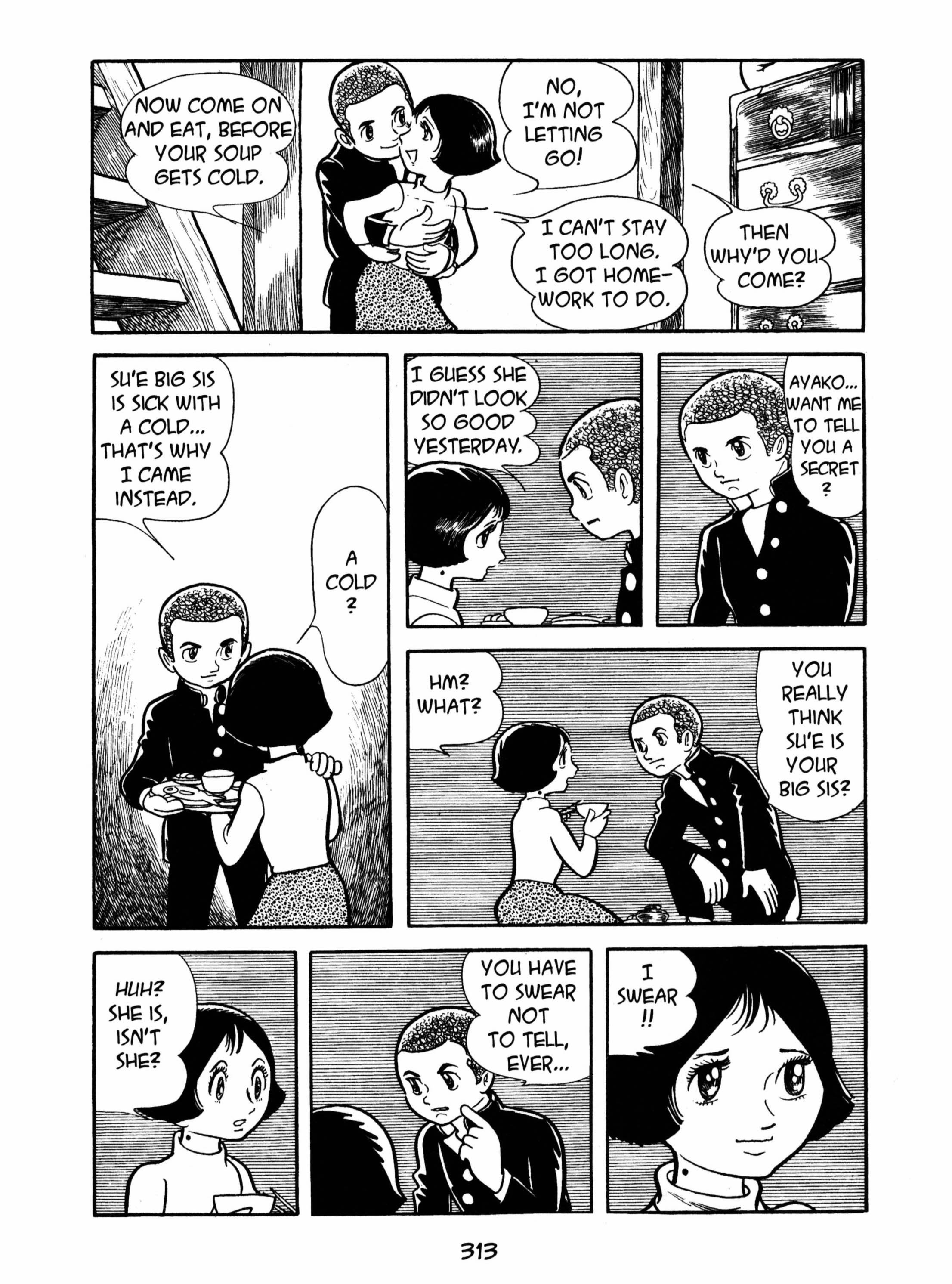
Ayako p313All that took about 600+ pages, but as I said it was quite the page-turner in a train-wreck kind of way, so I read the whole thing in one night. And I suppose it IS a classic, in the way some of Sidney Sheldon’s books are classics – classics of beach literature, that is. I’m comparing it to Sheldon’s stuff because Ayako contains the same mix of sex, crime and tragedy that he was so famous for.

If that’s the kind of drama that appeals to you, Ayako is right up your alley. It’s a different kind of classic from what I was expecting, but I suppose 70’s manga fans like a good twisted drama as much as the next person, which is why this manga is (undeservingly, IMO) famous.

For all that the main character is female, though, the women in this manga come across very poorly indeed. It might have been deliberate, to show how post-war Japan was, and in many ways still is a man’s world. Either way the women in Ayako are all helpless victims and sex objects relegated to one of two roles: housewife or whore (and in one unfortunate case, both).

Oh, but it gets worse. Not only are they helpless whores and housewives but also any attempt they make to break out of those roles is almost immediately punished with death as if to say “Stay in the kitchen/bedroom, woman!”
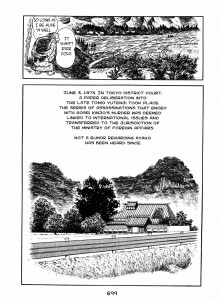
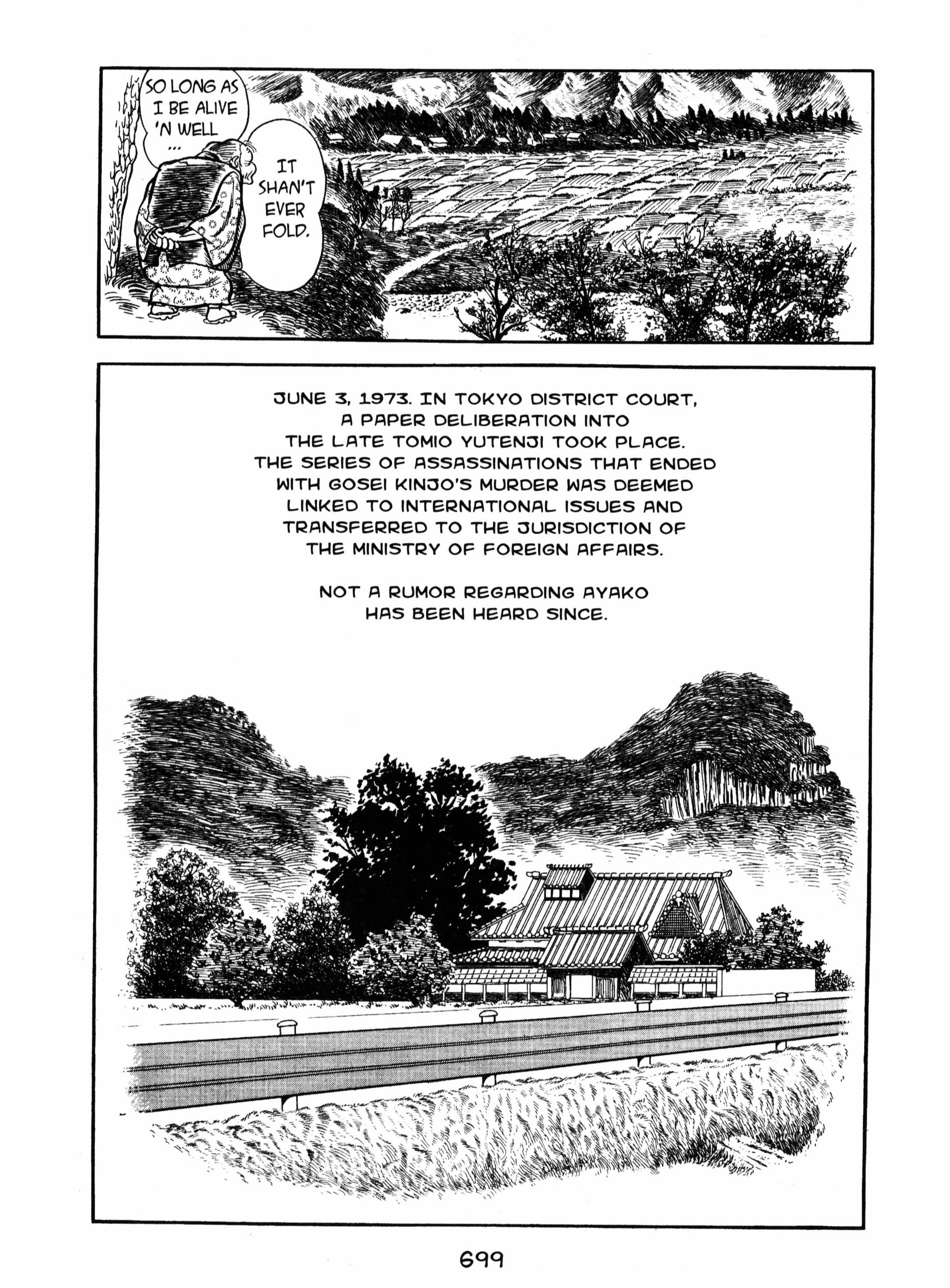
Ayako p699For example Su’e, Ayako’s mother, spends years as a quiet housewife and the family patriarch’s sex slave. When she finally tries to leave with Ayako, her husband kills her. End of her story.

Then there’s Jiro’s temporary squeeze Michiko (or was it Machiko?). She’s fine when she’s obediently sleeping with military officers on his orders, but the minute she tries to rebel against that, boom kaboom! No more Michiko.

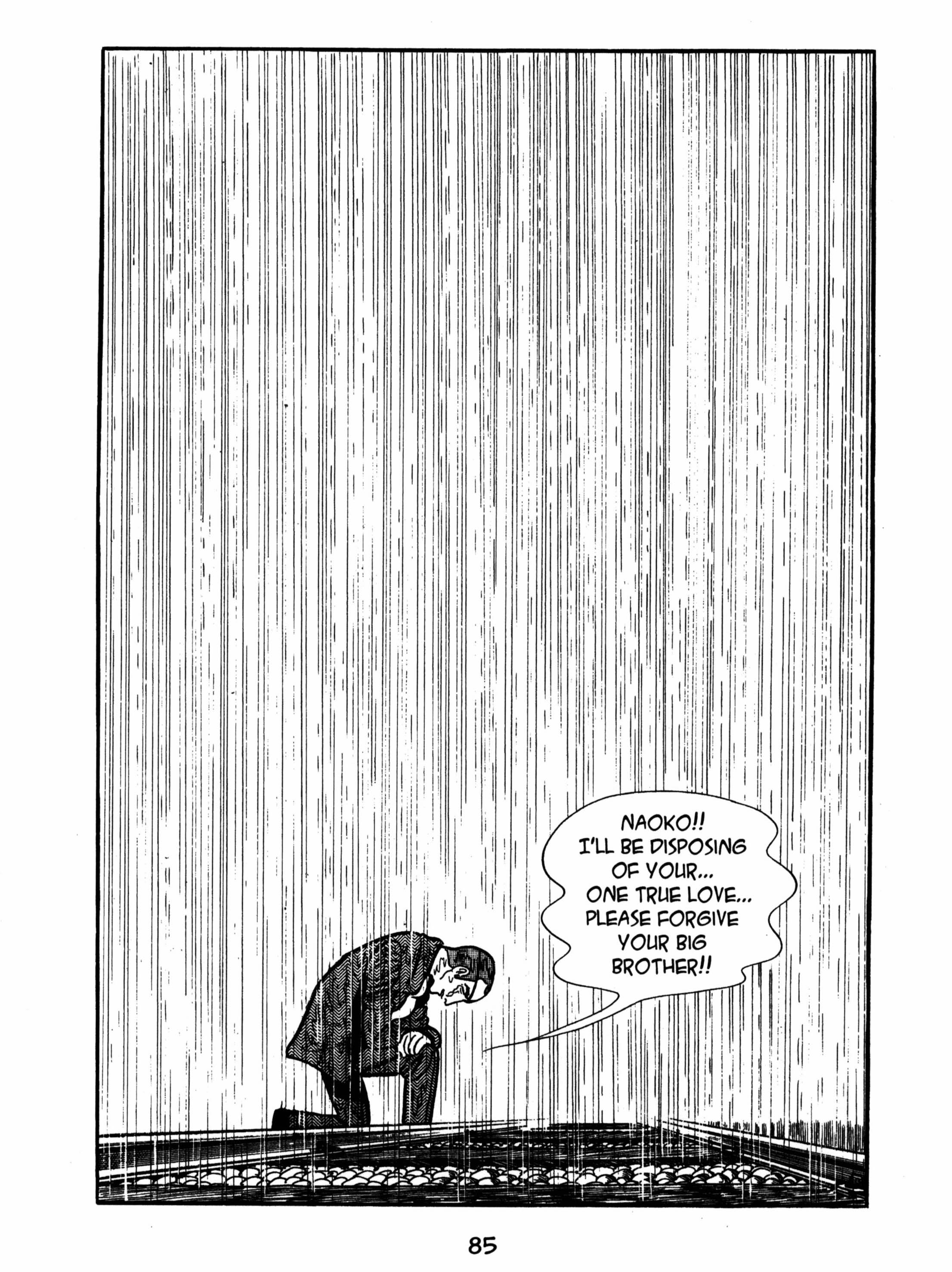
Or let’s take Naoko, the Tenge little sister who spends years as a dutiful housewife. The minute she tries to get revenge on Jiro for killing her old boyfriend she gets drawn back into the family cesspit and alas, no more Naoko.

The two women who do survive the whole fiasco, Ayako herself and her stepmother/grandmother, seemingly only do so because they don’t bother fighting against their roles or against the men in their lives. The stepmother because she never even attempts to resist and Ayako because she gave up after a brief struggle. Sure she runs away from home eventually, but it’s all a matter of jumping from the care of one man (Shiro) to another (Jiro) and to another (Hanao). Just when the manga is about to get interesting, when Ayako is finally all alone, it ends. So… yeah.

Long story short, if you want something tasteful and classy, don’t get Ayako. If you want a trashy page-turner that will leave a bad taste in your mouth and leave you wondering what’s so great about Osamu Tezuka, get Ayako. End of story.

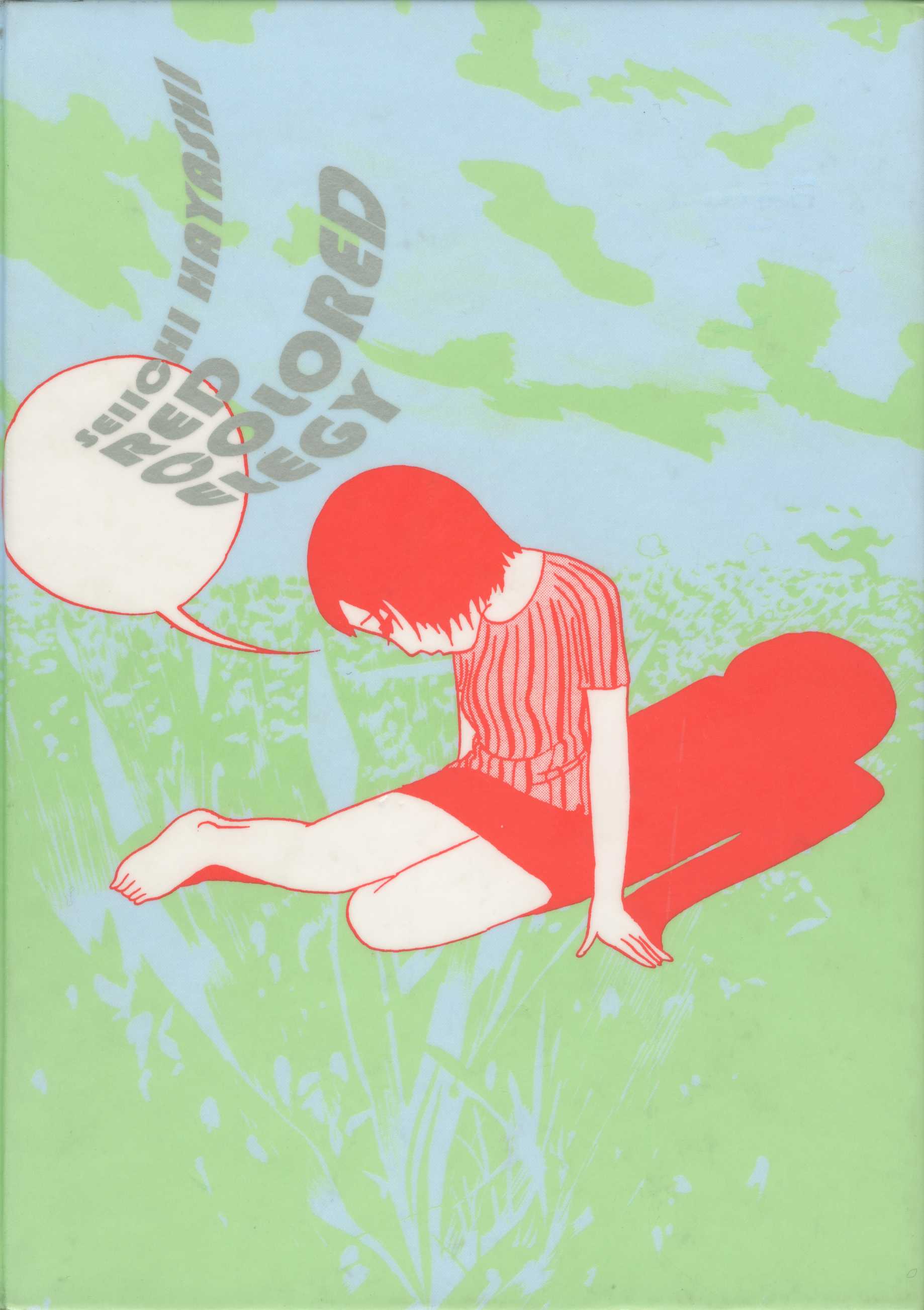
Red colored elegy manga review

Drawn & Quarterly strikes again! But at least Red Colored Elegy isn’t anywhere near as unpleasant and as nonsensical as yesterday’s A Single Match. Red Colored Elegy is supposedly a very influential work in the history of alternative manga and narrative-wise at least I can see why. The blurb on the back of the book is unusually long and effusive, but since I’d rather spend time talking about my thoughts about the manga rather than what it’s about, I’m going to type it out anyway:
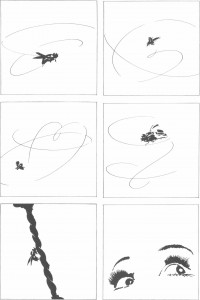
Seiichi Hayashi produced Red Colored Elegy between 1970 and 1971, in the aftermath of a politically turbulent and culturally vibrant decade that promised but failed to deliver new possibilities. With a combination of sparse line work and visual codes borrowed from animation and film, the quiet melancholy lives of a young couple struggling to make ends meet are beautifully captured in this poetic masterpiece.

Uninvolved with the political movements of the time, Ichiro and Sachiko hope for something better, but they’re not revolutionaries; their spare time is spent drinking, smoking, daydreaming, and sleeping – together and at times with others.

While Ichiro attempts to make a living from his comics, Sachiko’s parents are eager to arrange a marriage for her, but Ichiro doesn’t seem interested. Both in their relationship and at work, Ichiro and Sachiko are unable to say the things they need to say, and like any couple, at times say things to each other that they do not mean, ultimately communicating as much with their body language and what remains unsaid as with words.

Red Colored Elegy is informed as much by underground comics of the time as it is by the French Nouvelle Vague, and its cultural referents range from James Dean to Ken Takakura. Its influence in Japan was so large that Morio Agata, a prominent Japanese folk musician and singer songwriter, debuted with a love song written and named after it.

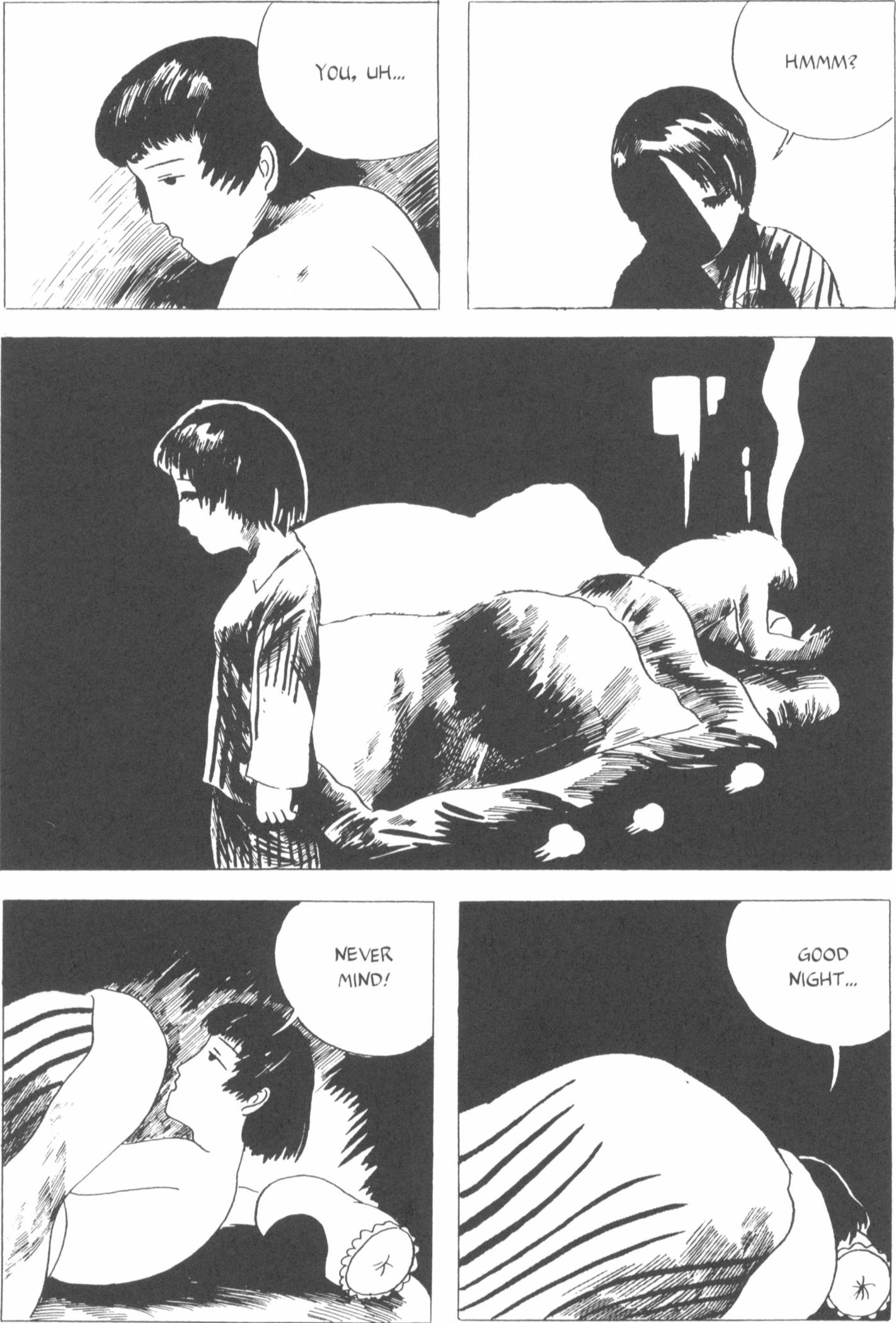
Red Colored Elegy p015_2RSo that’s it for the content. To spoil a bit, Ichiro and Sachiko break up near the end. She moves on (or attempts to) with a coworker or hers while Ichiro slouches around getting drunk and complaining about how miserable he is – even though he’s the one who scuppered their chances at getting back together with his uncooperative attitude. Needy, whiny and unfaithful though Sachiko may be, she can definitely do better than Ichiro so their breakup is a happy ending, of sorts.

But as I said, I can see how this would be influential. The story is told in a vague, disjointed manner, but there’s a sequence to the events, there are recurring characters, things move from Point A to B in a meandering but inevitable way. As long as you make your point in the end, there’s nothing wrong with enjoying the process.

Plus I bet the “sparse artwork” style must have been a great inspiration to mangaka who can’t draw all over Japan. Interesting characters can cover mediocre art much better than bad characters/story-telling can make up for good art. That said, Seiichi Hayashi does show at several points that he’s an excellent artist when he wants to be. The idiosyncratic design choices seem to be a deliberate decision. And of course if your manga becomes a hit, critics will find something nice to say about the art no matter how bad it is. In fact it might become your signature feature, as with the author of Akagi/Kaiji.

Red Colored Elegy p053_1LThird source of inspiration: the blah-ness and dreariness of Sachiko and Ichiro’s relationship. Though sadly enough such depictions haven’t caught on as much as I would like. I’m probably reading the wrong kind of manga and should try more alternative manga (…no.) but romantic relationships in manga tend to be either over-the-top lovey-dovey with some stupid misunderstandings thrown in or thoroughly dysfunctional from start to finish but they stay together because he’s the hero and she’s the heroine.

Red Colored Elegy instead paints a realistically bleak picture of a relationship that’s going nowhere. Go to work, work work work, drink after work, come home, work some more, argue, sleep together or not sleep together, wake up the next day and start all over again. Except nothing in life ever stays the same, so external events (particularly the death of Ichiro’s father), internal conflicts and their own personal demons all conspire to drive the couple apart, most likely for good. Is that realistic or what? Not saying happy, normal relationships are any less ‘real’ but

That said, I have an innate dislike for stories about cohabiting couples, since I am morally opposed to that practice. Putting my beliefs aside, though, I think Seiichi Hayashi made an excellent case against irresponsible shacking up just by depicting Ichiro and Sachiko’s dreary everyday existence. Their lack of planning, lack of responsibility, lack of commitment despite their physical relationship, lack of exclusivity and their relationship’s abrupt end is all one big “Babies shouldn’t be making babies!” advertisement, whether it means to be or not.

That doesn’t mean I enjoyed Red Colored Elegy, though. It might be interesting for avant-garde manga buffs or people looking for a short manga light on dialog. That’s about it, really.

Snow Fantasy short story 1 and 3

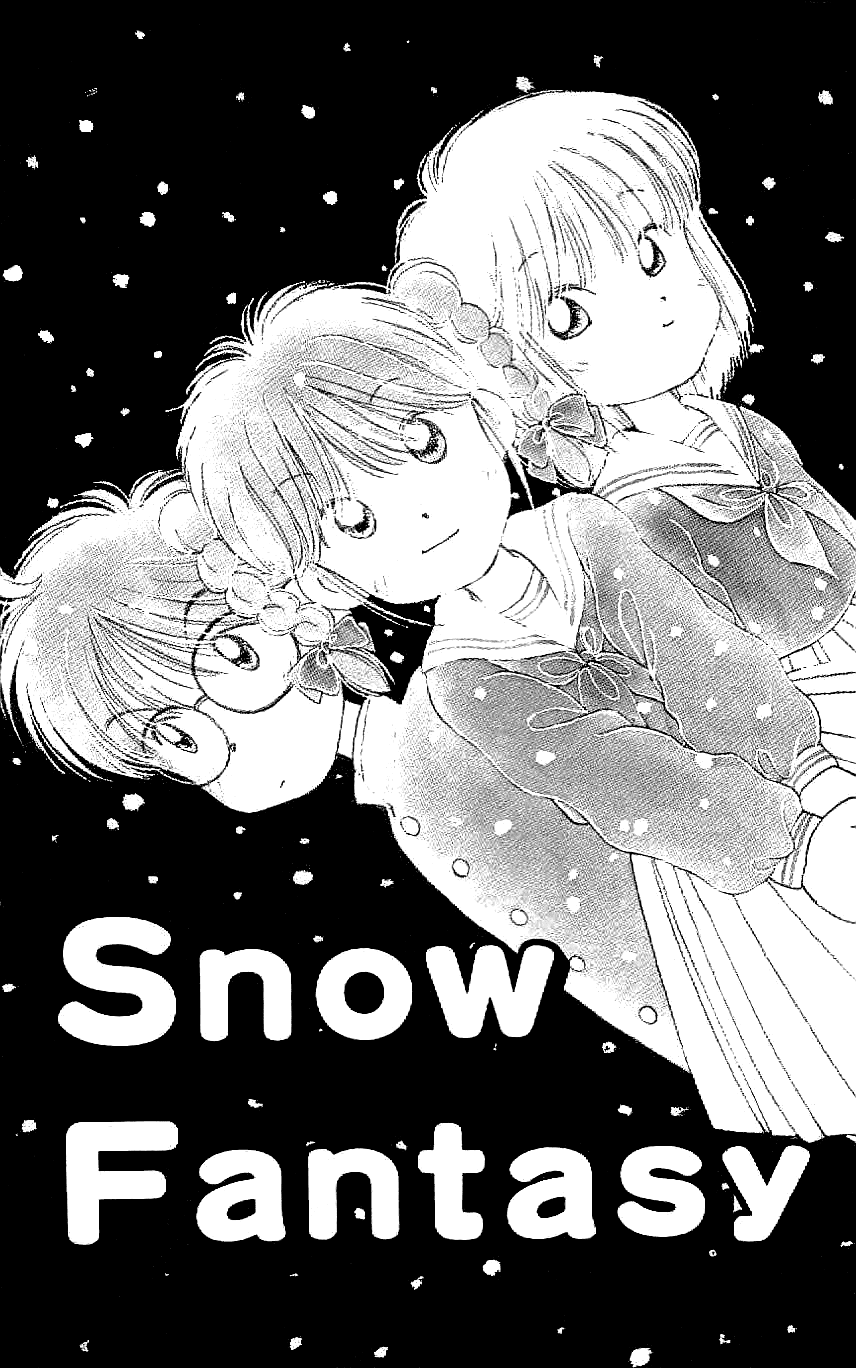
As promised in the post about Kimi ni Straight, I have uploaded the two short stories I did from one of Yuu Yabuuchi’s short story collections.

Snow Fantasy 1 is about a boy in love with his senpai. Can he muster up the courage to tell her how he feels? And how does she feel about him?

Snow Fantasy 3 is a cute little story about a girl with a crush on a boy she meets on the bus every day. The only problem is she only knows his name and class. How can she get closer to him?

I liked both stories as I said last time because they’re both relatively rare in the shoujo manga world. Shoujo manga from a boy’s viewpoint isn’t that common, much less one dealing with a younger boy and an older girl (even though I did review a rather crappy one called Futari no Kimochi a while ago). And even though he wears glasses and looks like your everyday harem anime protagonist, Ina is far from a wishy-washy pushover. While it’s great that both stories are relatively short so they’re over before the mangaka has a chance to ruin them, I’d like to read slightly longer manga of the same sort someday.

Kimi ni Straight manga review

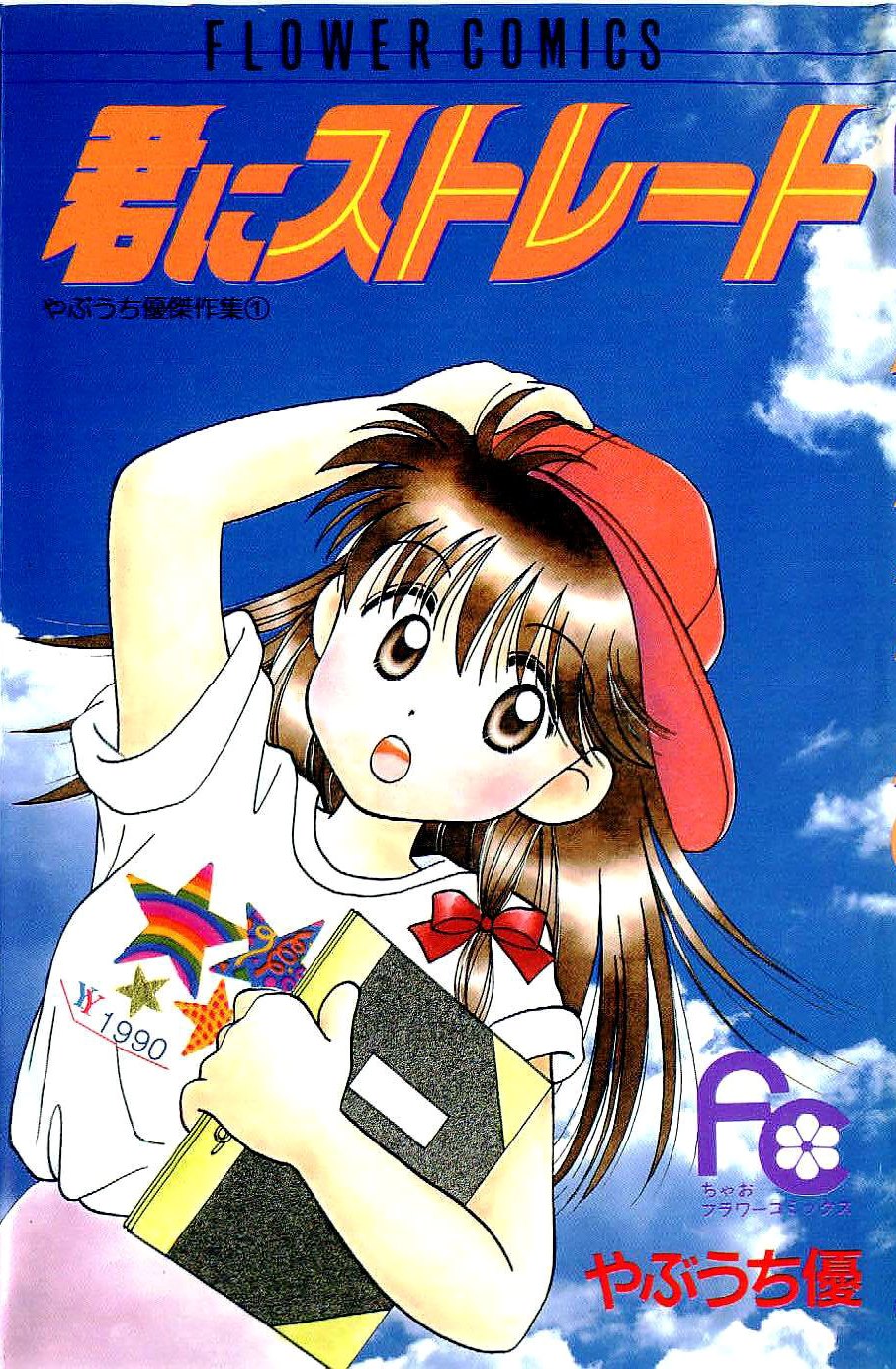
Kimi ni Straight is a collection of one-shots by Yuu Yabuuchi, a shoujo mangaka. She’s not as super popular as some other shoujo writers, but she has had some big hits with Shoujo Shounen, Mizuiro Jidai and Naisho no Tsubomi, which won the 2009 Shogakukan Children’s Manga Award. Looking at Mangaupdates I see other titles of hers that should be known to western fans: Ani-com, Chiko’s Wish (another collection of one-shots), Hitohira no Koi ga Furu, Kimi ga Mai Orite Kita  (yet another collection of one-shots), Koi o Kanaderu Kisetsu (even more one-shots) etc. etc. 

The Mangaupdates summary of the title story, Kimi ni Straight, goes like this:

Arashiyama Sagano just got beaned on the head by an errant baseball thrown by a rather rude classmate named Awano. This was his method of finding a manager for the baseball team for whom he pitches. Sagano reluctantly accepts and she becomes the team manager. Thing is, Awano’s got game, much like his father who went to Koushien in his time. Is Sagano falling for him?

It’s a bit of a spoiler because it’s supposed to be a shock when Sagano finds out about Awano’s late dad and stuff, but it doesn’t matter because it’s not that good a story anyway. The Kimi ni Straight book is made up of Kimi ni Straight, which is about 100 pages long, and three other short stories all set in winter and called Snow Fantasy 1, 2 and 3. Snow Fantasy 1 and 3 are sweet and likeable, but Kimi ni Straight and Snow Fantasy 2 pissed me off.

What’s wrong with them? They both follow a similar pattern: 

1. Boy is a jerk to girl, who dislikes him
2. Boy suddenly acts nice to girl for some reason
3. Girl: *doki doki* What an awesome guy
4. It turns out that boy was being a jerk because he likes girl.
5. Girl falls in love with boy.

And they all live happily ever after. It’s a very predictable pattern and there are 99,000 other shoujo manga out there where a girl falls in love with a jerk, so I don’t see the need to add any more to the pile.

I thought Snow Fantasy 1 and 3 were very sweet because no one is mean to any one. Story 1 features a boy with a hopeless crush on his senpai and Story 3 has a girl with a crush on a boy she sees every day on the bus. They’re mundane, everyday occurrences that could happen to anyone and all the cuter for it.

If either story was turned into a series then there would be all kinds of misunderstandings and evil rivals and some jerkish guy would appear to sweep the main girl off her feet and on and on, but these being simple, happy one-shots nothing of the sort happens. They’re good for cleansing your soul after reading too much blood and gore. The characters are nice (main story excluded), I like the not-dated-at-all character designs and every story has a happy ending, hip hip hurray.

So like most one-shot collections Kimi ni Straight is a bit spotty in terms of story quality. Still the two stories I did like tell me that Yuu Yabuchi’s other manga are worth at least a try because she’s good at writing sweet romances when the mood strikes her. I’ll read some more if I get the chance.