For My Derelict Favorite manhwa review (liked and hated it at the same time, ending spoilers included)

It’s very popular in romance manhwa to have a villainess going up against the original female lead (OGFL). Almost always the villainess turns out to be not so bad while the OGFL is not so good, so then you’re happy to see the “villainess” (actually a nice person) wins.

For My Derelict Favorite is a manhwa where the villainess is low key a real bitch who actively mounts a campaign to destroy the life of the OGFL who has done nothing to her personally, and succeeds in the end. If you’ve ever wanted to see a villainess act like a villainess and succeed and have everyone paint her as a saint in the process, this is your series.
Summary (from official Webtoon): What happens after the story ends with a “happily ever after”? When Hestia enters her favorite novel as a side character, she happily fangirls from the sidelines. Thinking she’ll return home when the story reaches its end, Hestia finds that the only thing awaiting her is the tragic death of her favorite character. Now miraculously restored to the day of the ending, Hestia decides that she’ll no longer spectate from the sidelines – instead, she’ll save her derelict favorite!

So it’s a series where the protagonist enters her favorite series and takes revenge on everyone who (in her opinion) wronged her favorite character. Everyone who has ever suffered from Second Male Lead Syndrome can relate to her feelings, if not her actions.

Since Hestia was not a character in the original novel, she doesn’t technically count as a “villainess.” Instead she is the ultimate fangirl who goes to great lengths to get “revenge” for her favorite character Cael who starts the series feeling suicidal after his crush Diana cuts ties with him because he murdered two people (!) and then marries his friend Helios.
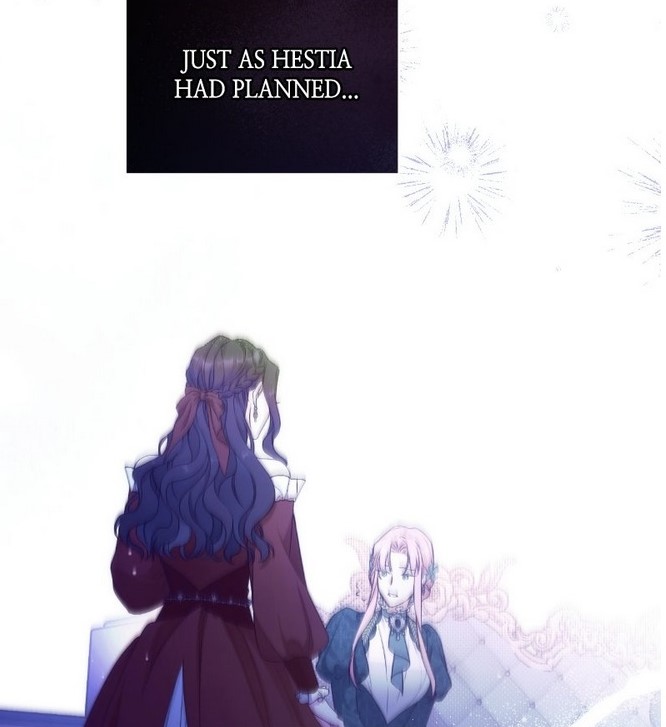
In Hestia’s first experience in that world, Cael ultimately succeeded in killing himself. However Hestia went back in time and forced her way to become his wife, running his affairs until he gets out of his depressive funk and resumes his normal duties. She also uses her knowledge of the first timeline to pass herself off as a prophet, getting Cael and Helios to trust her by making predictions that come true.

Now, let’s get a few things straight so you can see how unreasonable Hestia was being.

  1. Yes, Cael was in love with Diana, but he never confessed his feelings or even touched her. The whole country knows it, but he never said anything. For My Derelict Favorite paints the marriage of Helios to Diana as one big betrayal, but what were they supposed to do? Just not date each other because Mr. Can’t Speak Up will be hurt?
  2. Diana was absolutely a hypocrite for using Cael’s love to her advantage by accepting a big gift and his service when it suited her. However she did not two-time Helios with Cael or even divide her affections. She didn’t lead him on and pretend they had a future together.
  3. Diana was also a hypocrite for condemning Cael for murder when it is that murder that allowed her to become crown princess. It was a crappy thing to do to a formerly good friend.
  4. However, it is undeniable that murder is a crime and a sin. Cael killed two people without following legal procedures, and got away with it too. As a saintess with deep convictions (at the time), you couldn’t very well expect her to go yay, whoopee over murder, even if it was ostensibly for the sake of the nation. However Diana’s condemnation could have been done with far more grace and understanding instead of coldly cutting him off while continuing to benefit from his misdeeds.
  5. Nobody “owed” Cael marriage, nobody owed him a romantic relationship just because of all the sacrifices and silent service his offered. Nobody “drove him to suicide” except him and him alone. And to his credit, Cael comes to understand that pretty quickly. Hestia is the one who continues to bear a grudge long after Cael has made peace with everything that happened.
  6. It’s doubtful whether Cael ever loved Diana anyway, as opposed to loving his idea of her, and what she stood for. The same goes for Helios. It turns out that none of them really understood her and all her flaws. Instead they painted a perfect picture in their minds, pursued that ideal and then were disappointed and abandoned her when they had to face reality.
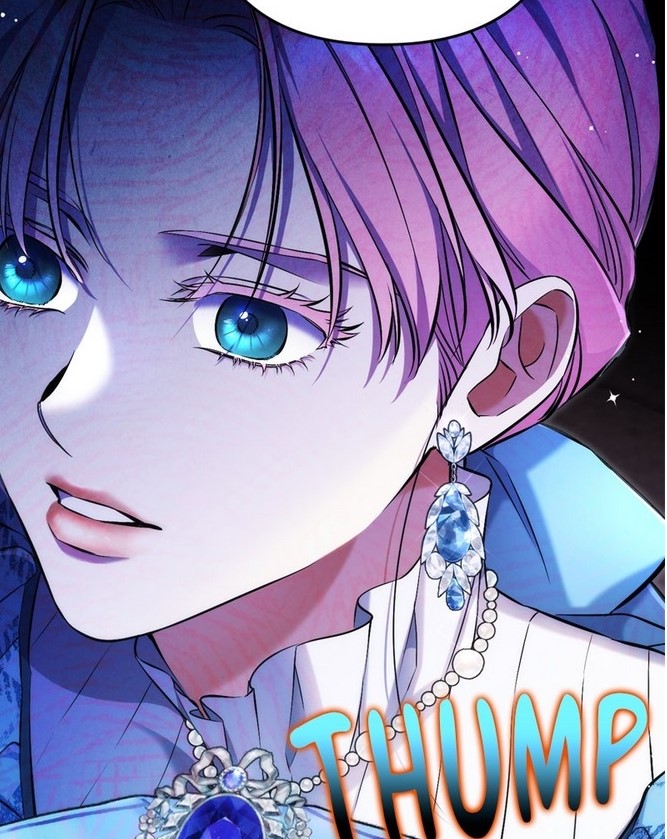
All that to say, I really felt sorry for the OGFL Diana in all this. While she was initially presented as a perfect, caring saintess, Hestia mounts a campaign to rob her of her confidence and all her friends, including wooing away her one supporter in high society, while building up herself and Cael as the key figures in the kingdom, eventually inheriting the Dukedom of the people Cael murdered. How that’s for a villainess winning the game?

And of course, as opposed to the flawed Diana and the confused, diffident Helios, Cael is absolutely perfect, can do no wrong, is only ever sinned against, never sinning. So smart, so handsome, so everything. Unfortunately he’s pretty likeable so I couldn’t hate him, but gosh dangit, that’s a Gary Stu if I ever saw one.

So back to Hestia, who basically loves and worships Cael so much that she wages a campaign to bring Diana down while elevating Cael and herself. And it must be said that part of the reason why she succeeds is Diana’s own weakness. It turns out the personality traits needed to be a good saintess (purity, strong convictions, backing of the temple) are liabilities when she becomes the crown princess and has to learn to compromise, flatter others, pander to the nobility and so on.

Honestly I blame the King and the Crown Prince Helios for Diana getting into this mess in the first place. She was just a random village girl with special powers. That did not inherently make her fit to be crown princess. At the very least she should have undergone a LOT of training before the marriage, which would have quickly exposed how unfit she was for the position. Instead they rushed into the marriage, and I believe part of this was to take advantage of her popularity the ordinary people versus Helios’ shaky position. Otherwise there was absolutely no reason for the crown prince to rush into marriage with a commoner. They should have known how much opposition there would be to Diana, and yet both Helios and his father failed to provide the necessary support, correction and education to help her succeed, and then threw her out once she inevitably made huge mistakes.
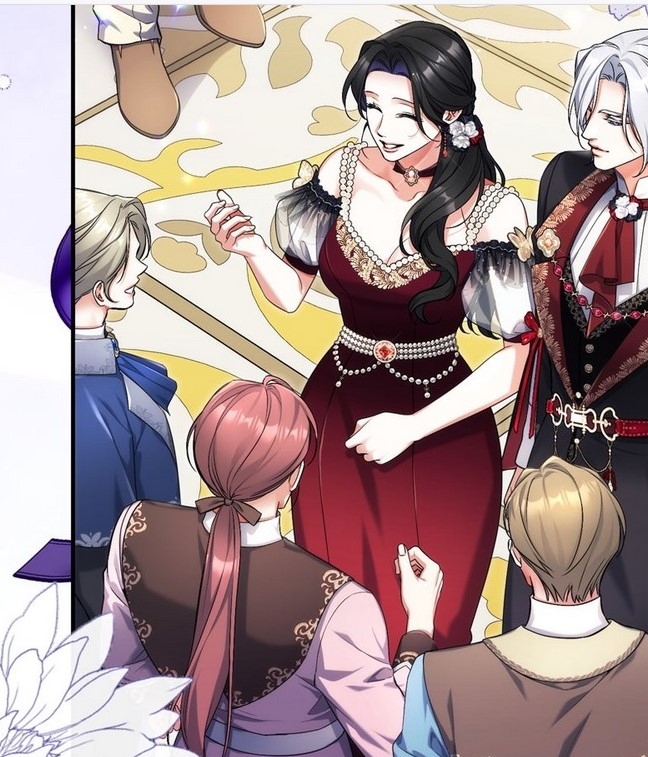
What mistakes, though? Apart from hosting poorly planned lunches and being a bad hostess, Diana doesn’t do any of the evil deeds you usually see OGFLs do. She doesn’t plot against Hestia, doesn’t try to kill her or turn society against her, nothing. Her big mistake is to stubbornly make investments in a fraudulent company with money from the temple and the crown. A huge and terrible mistake, but not one that couldn’t have been overcome if Helios stood by her, kept her out of society’s eyes, and helped fix her mistakes. Unfortunately once her popularity and powers are gone, his love (or “love” shall we say)  for her quickly disappears as well, and he divorces her and later marries someone else.

Of course let’s not pretend Diana was completely innocent in all this. The only reason she made that investment was to spitefully stick it to Hestia, who she despised because Hestia made it a point to needle her at every opportunity and point out her hypocrisy on occasion. Diana was even warned repeatedly to not do the investment. She was also the first to withdraw from Helios and even try to get Cael to love her again, so I won’t say Helios was completely unjustified in moving on.

But again it boils down to point #6 I made above, which is that neither Cael nor Helios ever bothered to know the real Diana along with her insecurities and tendencies. Helios and Diana never built up a relationship of real trust, and that is what doomed them and allowed events (and Hestia) to come between them in the end.
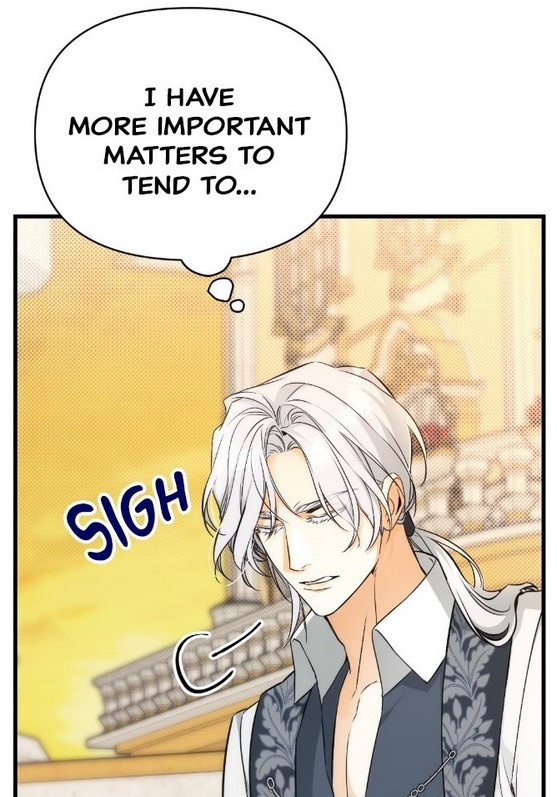
In all this, I haven’t said much about Hestia herself. TBH she’s quite annoying, always squealing and blushing over Cael while plotting against Diana for daring to not return her sweetie’s affection. Despite her prophetic powers, she also does not try to save a ship full of people she knows is going to sink but instead uses it in her plot to oust the crown princess. What about all the families that lost fortunes due to the fraud? And what about the people in the capital who died just so she could prove that Cael’s territory had better hygiene? Ha, like she cares about anyone except herself. Hestia is toxic to the max.

And she proves it when there’s a long period where she refuses to accept that Cael is genuinely over Diana and over his heartbreak and ready to move on with his life. It brings up the question, when is a victim allowed to stop being a victim? Sometimes people are so fixed on getting justice for someone that they stop considering what the other person genuinely wants.

The “derelict favorite” quickly stops being derelict and returns to his former self, and Hestia is forced to confront the difference between the pitiable victim she has in her mind and the actual red-blooded male she is married to who has more than a passing brotherly interest in his new wife. Fortunately for her, unlike with Helios and Diana, the ‘real’ Caelus is smart and wonderful and funny and all the other things I listed above, so Hestia gets her happy ending with three obnoxious kids while Diana is sent penniless back to her village to be bullied by random village girls.

Meanwhile the author tries in vain to make us sympathize with Hestia by arguing that the reason she’s so fixated on revenge is because if she lets go and admits her job is done, then she will have no reason for being in that world and being next to Cael. But again, it’s all about her isn’t it? What she wants, what her future is, what her place is in that world. If she has to destroy Diana and hundreds of lives because of her crippling anxiety, so be it. Like I said, Hestia is totally toxic.

Let that be a lesson to you, Diana. Maybe next time you’ll think twice before calling out murder when you see it, and you’ll marry the guy who never asked you out versus the guy who loves you and who you’ve been dating for a while. Actually it’s a lesson for all of us: everyone in the kingdom knows that Cael murdered Duke Letona and his daughter, but no one says anything, and the only one who gets in trouble and ends up unhappy is the one who calls it out. The moral of the story is, when you’re benefiting from someone’s misdeeds, just shut up and enjoy it. Or else.

Lastly, since I’m spoiling everything anyway, it turns out the goddess of the world is the one who summoned Hestia there, because the goddess was a fan of Cael and didn’t like how things played out. So she wrote it in a book, scattered it in the multiverse, and summoned the biggest Cael fangirl to help her change the ending, and even reversed time to make her try again when Hestia didn’t perform to her satisfaction.
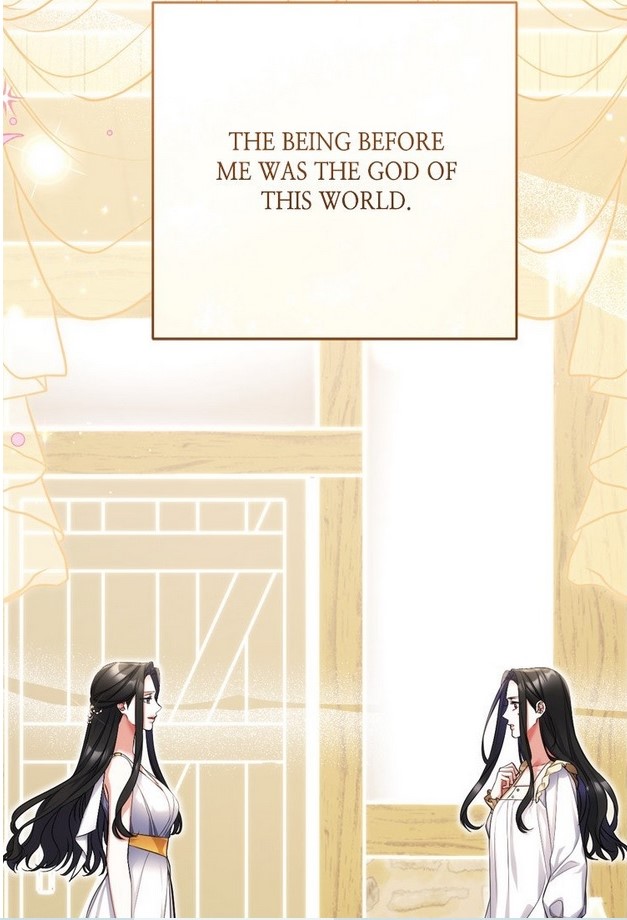
It’s very bizarre that the goddess had the power to do all that but no power to change the ending herself. In fact, I wager she had more than enough power to intervene, but enjoys being a voyeur and spectator much more, watching the characters move around and suffer for her amusement. How very sad for Diana, who even after the ending spends a lot of time praying to a goddess who doesn’t give a fig about her or about anyone except Cael, and who gives and withdraws powers at a whim. The goddess is the real villainess of For My Derelict Favorite, if you ask me.

Long story short, should you read this? If you’re a fan of romance manhwa, absolutely. It’s short, it’s complete, the art is nice (the bishies are suitably fine), and the main couple gets a happy ending (undeserved IMO but whatever). But plenty of series do the same thing. What makes For My Derelict Favorite much better is the complexity of the supporting cast. They’re not black and white good or evil people and that leaves the reader with a lot of “What ifs” and “Why didn’t theys” that ensure the series will live longer in your memory than the usual isekai romance manhwa will. It left a rather bad taste in my mouth but I won’t forget it in a hurry, at least.

The main series is concluded, with ongoing spin-offs, but they’re mostly about Hestia and Cael crowing triumphantly at the reader because of their perfect lives, so I’m done here. It’s a controversial series with readers, so I’d love to hear your thoughts about Hestia (boo!) and Diana (also boo, but kinda… you know?) if you’ve read For My Derelict Favorite. Until next time!
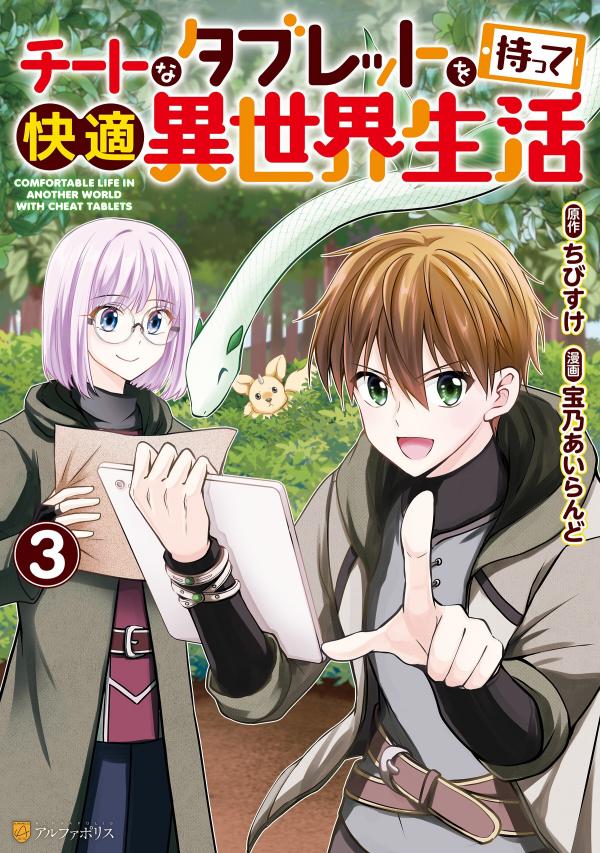
 

Cheating My Way through a Different World with My Tablet to Live a Comfortable Life manga review (complete at 24 chapters)

It’s always a pity when a quality manga, or at least one with a very promising premise, gets cancelled after a few chapters while utter dreck runs indefinitely. Cheating My Way through a Different World with My Tablet to Live a Comfortable Life wasn’t anything ground-breaking or unprecedented, but it was relaxing and inoffensive with a hero you wanted to root for, so I was sad that it got cancelled after only 24 chapters.

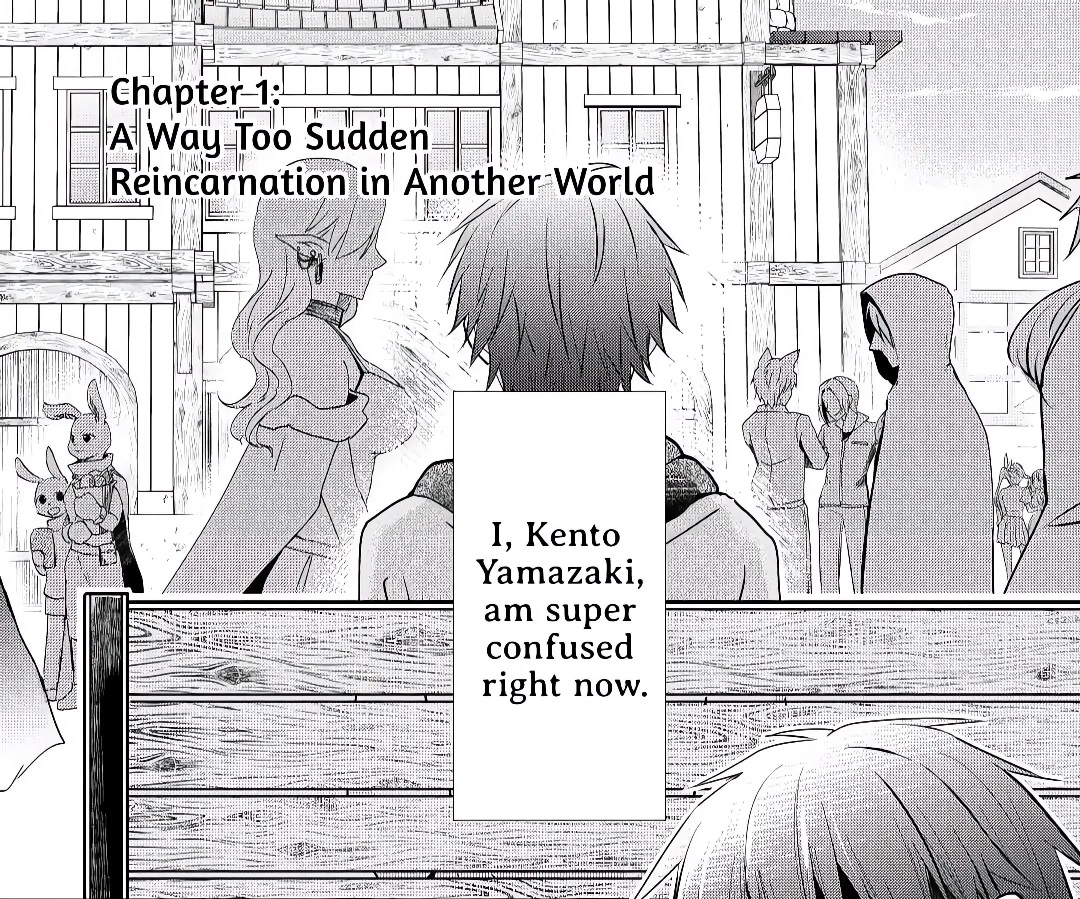
Summary: Kento Yamazaki, an ordinary boy who isn’t particularly special, realizes after a while that he is reincarnated into a different world holding a tablet?! He acquires housework skills as he makes delicious food and cleans up in a short time by using apps on his tablet. He finds himself in the adventurer’s party, called “Daybreak”, in which unique characters, such as a beautiful elf and a cute boy with glasses, who does not talk much, get together. Time to start his carefree life in a different world, tablet in hand!

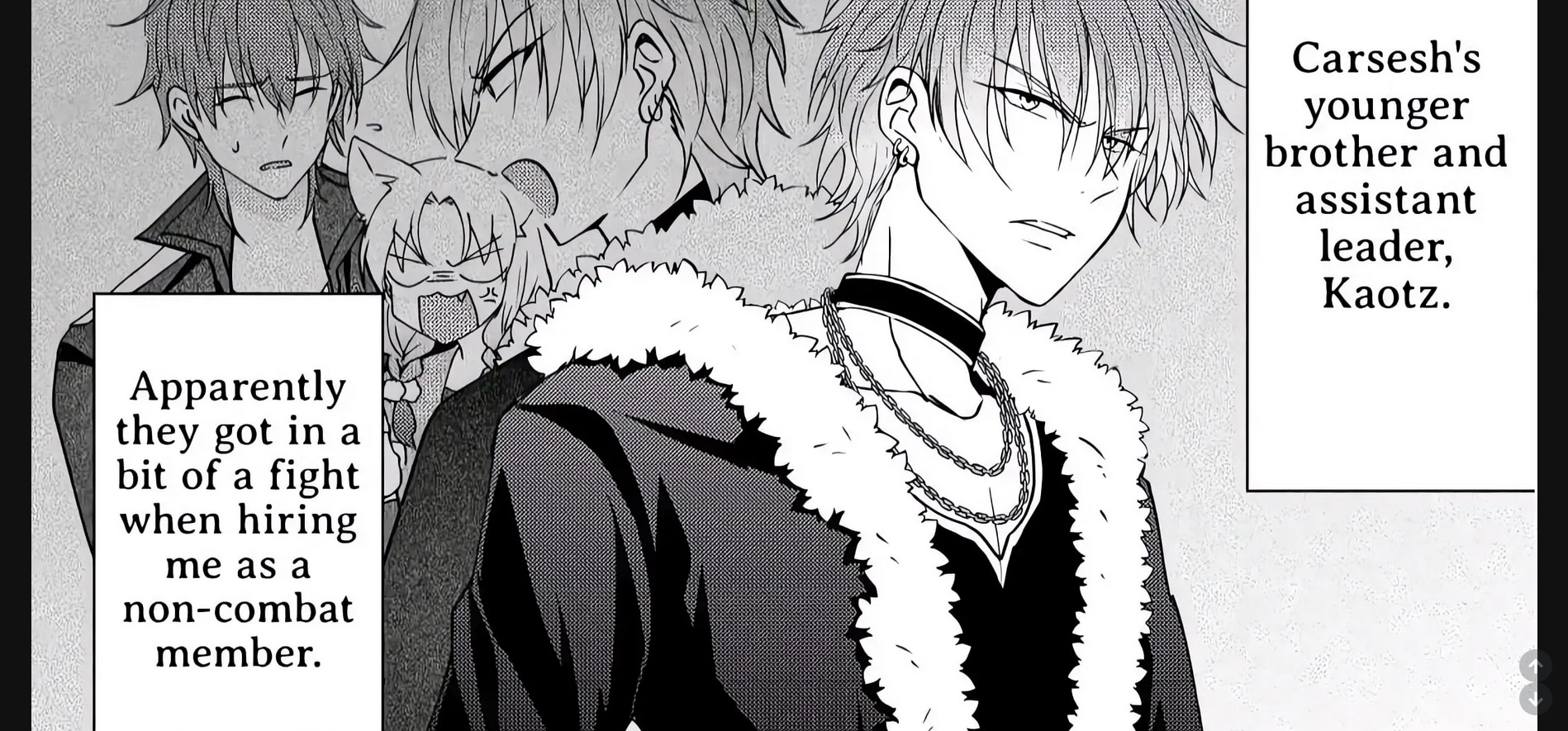
So that’s the story in a nutshell. The adventurer’s party actually comes later in the story, after Kento has spent time working for another party which ends up kicking him out for costing too much later. In typical “kicked out by the hero’s party” manga style, the reader expects them to regret it later. However he later meets members of that party and it turns out they split up over the issue and that most of the members had no problem with him and even liked him, so that was a bit of a surprise.

Apart from that slight twist, Cheating My Way follows the typical “wimpy Japanese isekai protagonist” trope almost exactly. Kento starts out at the lowest rank in the guild, takes on odd jobs to make ends meet, makes powerful friends who train him little by little and eventually gets strong enough to beat monsters with a little help from others.

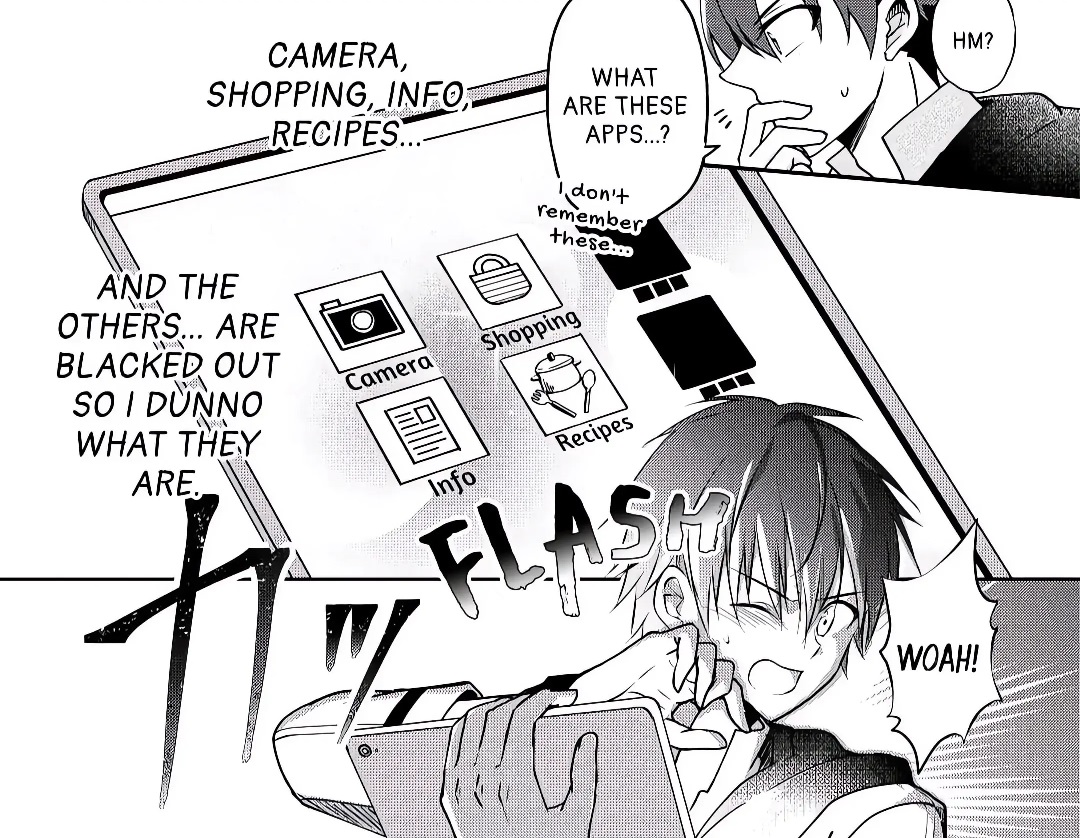
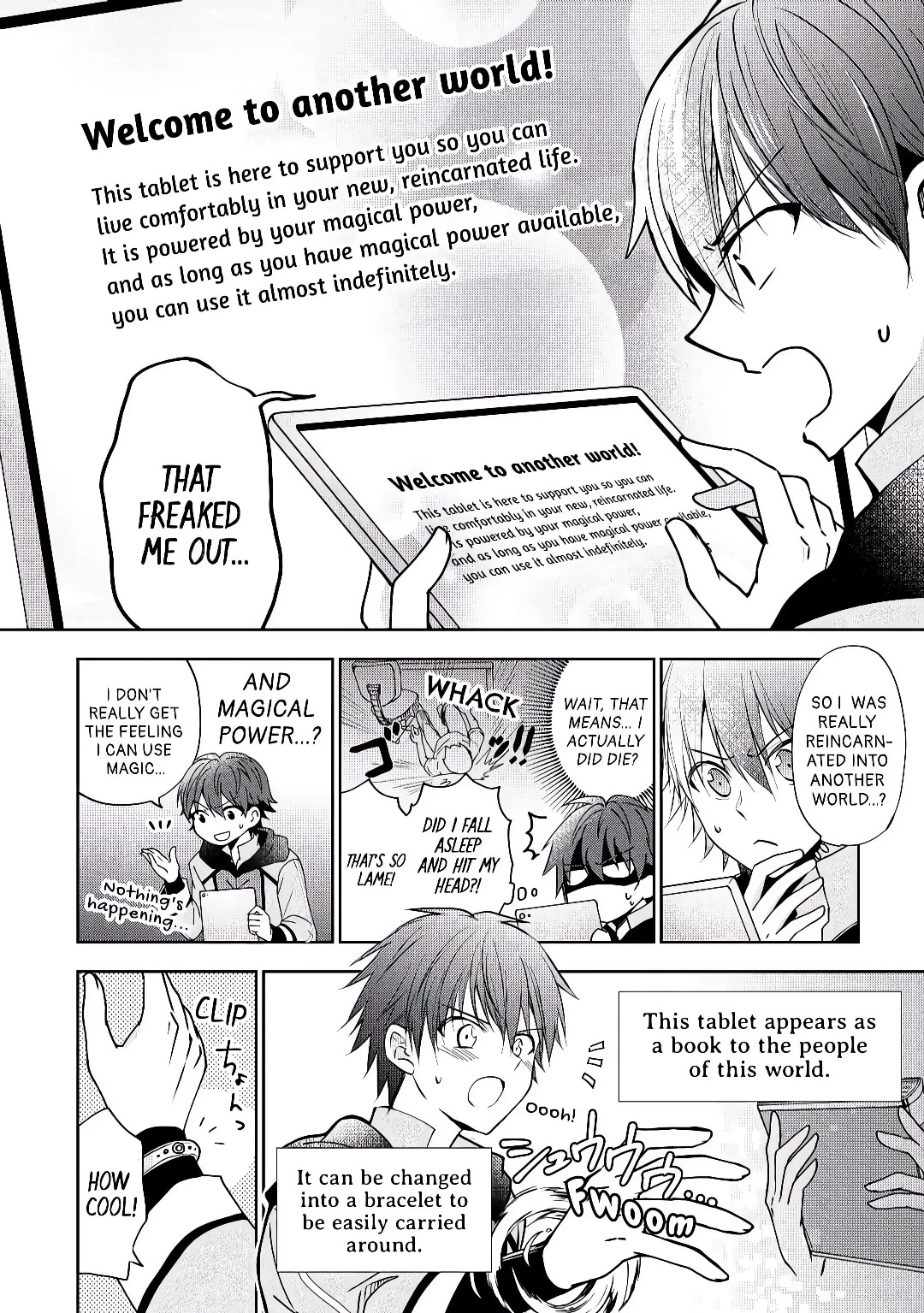
The titular tablet is helpful but not as overpowered and almighty as in In Another World with My Smartphone. It contains functions like a camera, which helps him with identifying things, and a shop where he can buy items from Earth. Oddly enough, anything from Earth is much more efficient and powerful than what is already available in the world.

Kento uses this to provide cleaning and mending services, become a great cook by using ingredients and spices from Japan, and even become an apothecary by substituting Earth ingredients for local ones. This later allows him to save the life of Aggis’ wife, Aggis being the guy who helped him out when he suddenly arrived in another world with only the tablet and the clothes on his back. And so on, and so forth.

There isn’t much more to Cheating My Way through a Different World with My Tablet to Live a Comfortable Life than that. It’s the story of a guy slowly gaining confidence and finding his way in the world. Honestly I enjoyed reading it, and Kento and all his companions were really nice. He also somehow becames a tamer and gets some cute pets. His progress wasn’t too fast, but it wasn’t slow either, so he was on his way to being really strong eventually but not so soon that it’s not believeable. Best of all there was no harem, or even romance! Just pure(ish) cozy cooking, crafting, taming and leveling up.

Unfortunately I think that lack of speed was what sealed its fate. It just wasn’t exciting enough. It doesn’t do anything that other isekai manga haven’t done before (the tablet is just another cheat item or skill). There was also no deeper story behind his migration to the other world, his purpose there, no greater worldview, no crisis, no other. Additionally, like it or not, romantic options in an isekai manga draw readers in, so I’m sure lacking those made the series less compelling to many. And so one thing led to another and Cheating My Way through a Different World with My Tablet to Live a Comfortable Life got cancelled after a mere 24 chapters.

Still it was 24 chapters of cozy fun, it gives enough of a taste of the series so you can imagine what happens next or read the novel if it exists. If you try it and like it, also try The Great Cleric by Broccoli Lion. It has a lot of similarities in art style, with a similarly wimpy hero who is protected and trained by more powerful characters, but it is much better because it has a much stronger world view. Give it a try.

Farming Life in Another World manga review (read up to chapter 190)

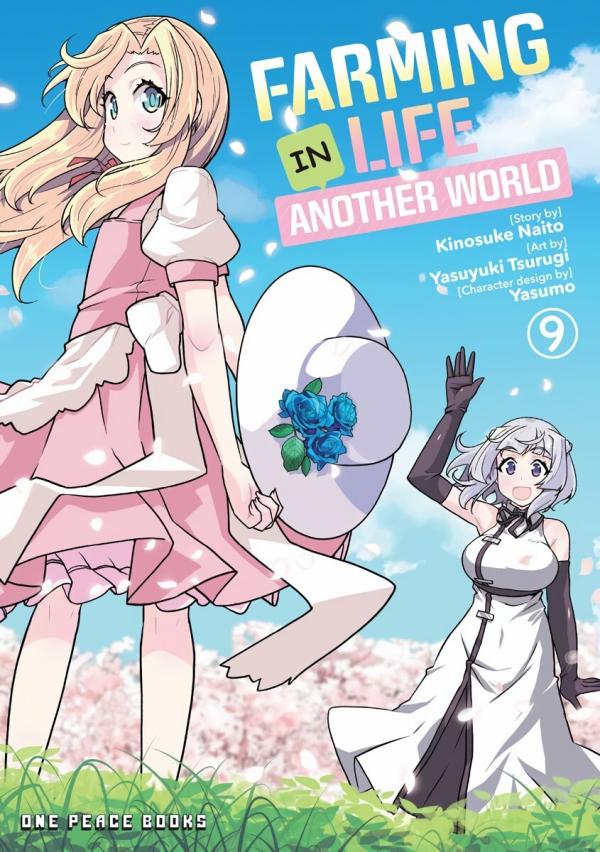
I’ve been reading a lot of series since I last posted. It’s just too much work to update this blog with every little series. Farming Life in Another World isn’t a “little” series, though, since there are over 190 chapters out and counting. I started out reading just a little bit, yeah yeah, usual isekai harem shenanigans… and before I knew it I had read all 190 currently available, so I figure it has earned a short review at least.

Summary: After Hiraku dies of a serious illness, God brings him back to life, gives his health and youth back, and sends him to a fantasy world of his choice. In order to enjoy his second shot, God bestows upon him the almighty farming tool! Watch as Hiraku digs, chops, and plows in another world in this laidback farming fantasy!
That’s the general summary of the first volume, but very quickly Hiraku picks up a MASSIVE harem of beautiful elves, vampires and other assorted otherworld ladies. I’m talking dozens of women all lusting after him either to repopulate their race or just for the heck of it. Very quickly his biggest problem becomes how to get more men into the village to take some of the burden off him, though that plotline has been quietly ignored lately now that he has finally put the kibbosh on additional harem members. IIRC his current number of children stands at six, but it definitely won’t end there. Talk about playing out the otaku fantasy.
Personality-wise, Hiraku follows the usual isekai manga protagonist pattern – very wimpy and unable to say no to requests and orders from his girlfriends/wives/love interests/subordinates, but actually secretly strong and overpowered. It’s the same formula in other series like In Another World with My Smartphone and Tsuki ga Michibiku Isekai Douchuu, but even wimpier because they control him so extensively that for a long time the women won’t even let him step out of the village. And they design a bedroom with secret passages and a door that only locks from the outside so they can sleep with him whenever they want. This must be another otaku fantasy – being so irresitable to women that they won’t let you leave.
Everybody wants Hiraku
It does make sense on some level because Hiraku’s almighty cheat farming tool, which can transform into a hoe, shovel, spear, etc. as needed is the only thing that keeps their farming settlement going, so if anything happens to him, a ton of people will be up the creek with no paddle. Again, a lot of thought goes into trying to find ways to keep the village going even in his absence, since he is a human in the midst of long-lived races like dragons, etc.
Indeed, I would say that those moments of thought, planning and consideration are what makes Farming Life in Another World actually interesting to read. The women quickly blur into one and apart from a few prominent ones (Ru, Flora, Hakuren, Rusty, Tia, Anna), they are largely interchangeable in both design and personality. But it’s fun to see the village changing and growing at rapid speed, from a small hole in a tree to one large settlement and three small ones. They also make alliances and trade agreements with other countries/villages nearby, so there’s always a cast of new characters to meet and interact with.
Every once in a while the series gives an update on the map of the village and its environs so you’re not completely lost, but it can still get confusing once there are so many different parties and factors in place. I’m still not entirely clear on the inhabitants of Villages 1, 2 and 3, and I regularly get confused about who is who between the Demon King and his faction and the Dragon King and his faction because they are just so many. This is one of those series where you eventually check your brain in at the door and enjoy the cosy farm building without thinking too much about what’s going on. It would make a great farming simulation game, come to think of it.
Speaking of factions, I miss the early days of the series when the focus was more on the non-humanoid monsters like the Inferno Wolves and Demon Spiders and less on Hiraku’s ever-growing harem. That must be why I enjoy similar cosy farming series with fewer human characters, like Solo Farming in the Tower, which I will talk about another time. Humans/humanoids just complicate stuff.
Anyway, that’s Farming Life in Another World in nutshell: Hiraku farms, enlarges his network/village/harem, makes babies, occasionally fights an enemy, and every once in a while a long stretch of the series is devoted to a fighting tournament or other festival. The “farming” aspect gets toned down very quickly, but the manga remains a very comfy slice of life with safety, great food, warm company and no real drama or danger. I can see why it was popular enough to get an anime recently, where apparently they toned down the harem shenanigans. I’d say it’s worth a read if low-stakes farming is your thing and you don’t mind lots and lots and lots of characters.

The Hero is Overpowered but Overly Cautious manga review (ending spoilers included)

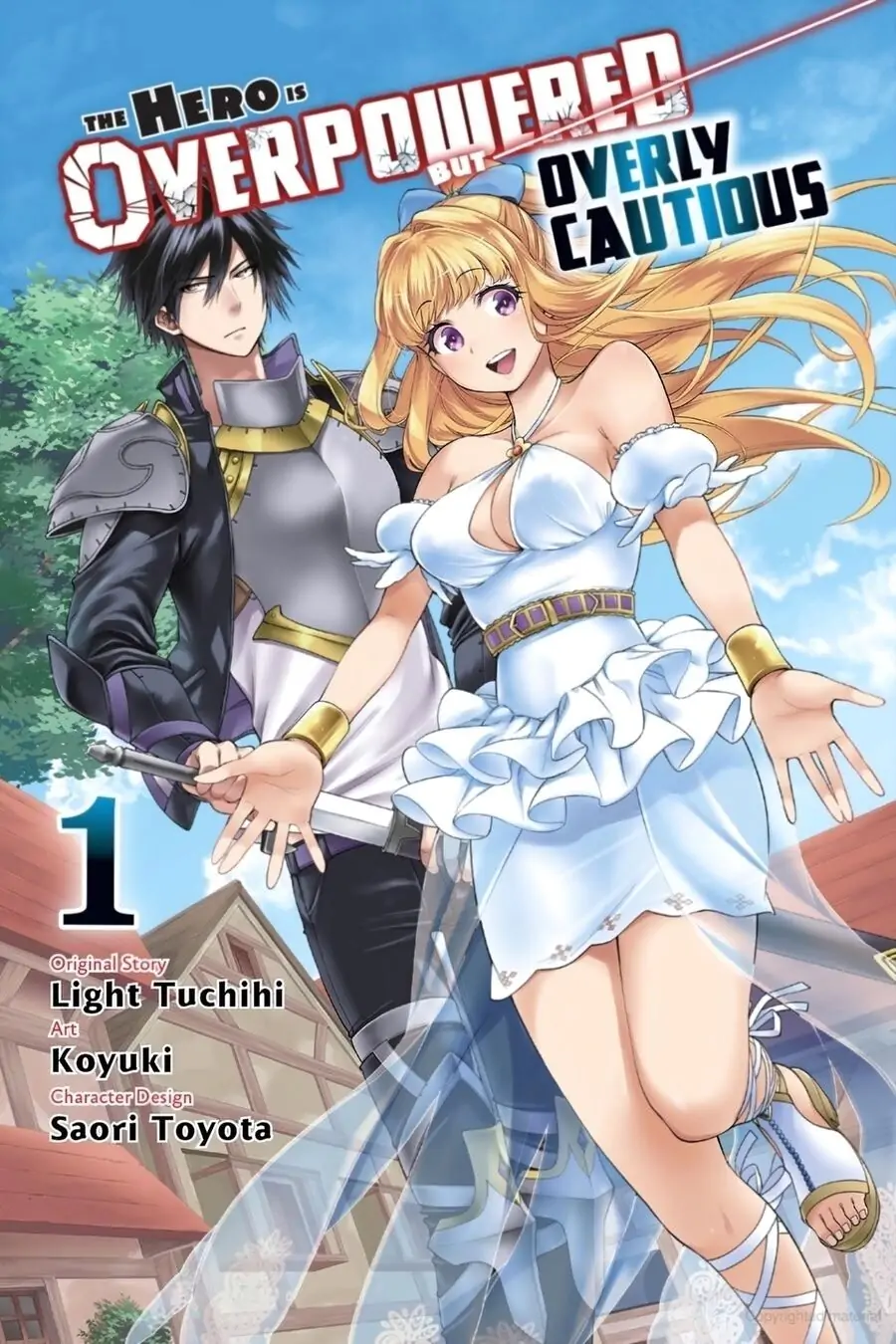
Japanese authors may not have invented the isekai “going to another world” genre, but they sure come up with the most interesting spins. The Hero is Overpowered but Overly Cautious (Kono Yusha ga Ore Tueee Kuseni Shincho Sugiru) by Light Tuchihi takes the usual trope of a summoned hero saving the world, then cranks it up to eleven by giving him a hilariously pragmatic and cautious personality. It’s extremely refreshing, at least at the start. It’s also short and complete at six volumes, so even though the final twists were garbage (more on that later), it’s still worth a read for what came before.

Summary: Can a neurotically overprepared hero and an underachieving goddess save a parallel world together?! When the inexperienced goddess Ristarte is tasked with the daunting mission of saving the S-ranked world Gaeabrande, she thinks that summoning Seiya Ryuuguuin, a Japanese teenager who has utterly broken stats as a Hero, will finally turn her luck around. Seiya’s abilities (and good looks) are all she has ever dreamed of, but she soon wishes she had read the fine print about his “overly cautious” personality… (Yen Press)

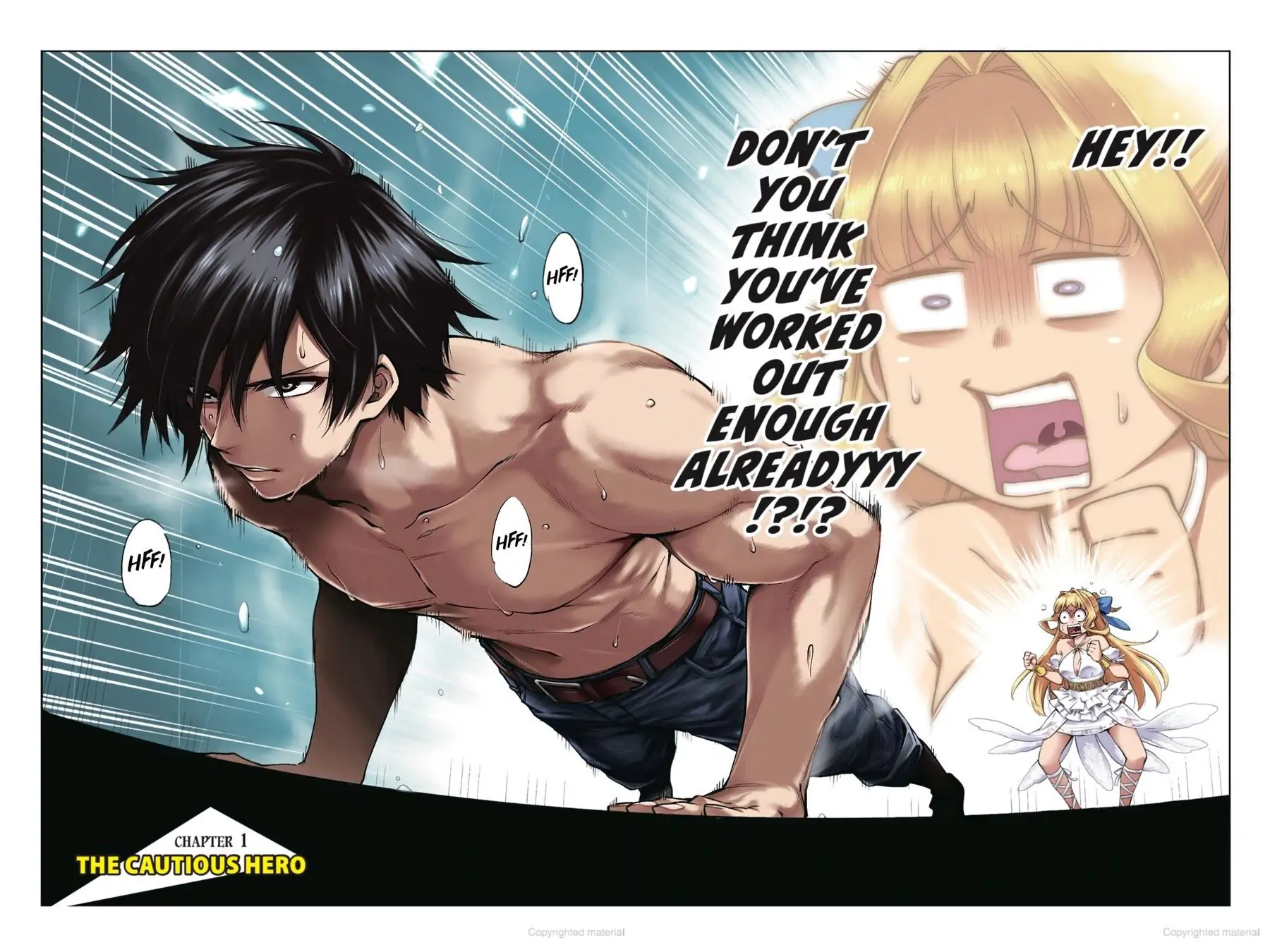
It’s a fine comedy series – not ROFL hilarious but very amusing as we follow Seiya’s efforts to always be perfectly prepared in any scenario. I read the first three volumes, took a long break and read the final three, so I don’t remember every single antic, but there were things like buying tons of potions, suspecting every single person of being an enemy, insisting on being healed for the tiniest scratch, and escaping from battle to train more if he felt he couldn’t win.

Page from the manga The Hero is Overly Cautious
999,999,997… 999,999,998… 999,999,999…

His antics are set off against the naive, noisy and largely useless goddess Ristarte (Rista for short) who exists mainly for fanservice, to be the butt-monkey of jokes (think Aqua from Konosuba), and to play the straight man to Seiya’s deadpan but crazy antics. Since she gets the most screentime, and it can be argued that she’s the actual main character, whether you enjoy The Hero is Overpowered but Overly Cautious or not will depend largely on how much you can stomach Rista. Personally I found her a wee bit irritating, but the series didn’t last long enough for her to truly grate on me.

There are some other characters here and there as well, but most of them, especially the enemies, are fully forgettable. The vaunted Demon Lord only gets a few pages in the end, actually.

As the series goes on, it turns out that Seiya is right to be cautious, as the enemy is just that wily and dangerous (corrupting his allies, destroying the weapon and armor he needs, etc.). It’s a refreshing difference from those isekai series where the hero is just overpowered and there’s nothing the enemies can do. If Seiya is overpowered and overly cautious, so are they. It’s a constant game of oneupmanship, and it is interesting to see Seiya being proved right time and time again.

Unfortunately the series begins to fall apart towards the end in two ways. Firstly, the initial “normal” fanservice begins to slip into vulgar, softcore hentai of the kind I can’t even screenshot here. The scenes with Valkyria and Mitis in particular were completely gratuitious and added nothing to the series.

Secondly, and more importantly, the author tried to give a logical explanation for Seiya’s overly cautious traits. Major spoiler: he had actually been summoned before in the past but failed to save the world. At the time he was the usually genki hero who relied solely on his talent and the power of friendship. As a result of his lack of preparation, his whole party was wiped out and he died. When he was summoned again, his memories were gone, but vestiges of the traumatic experience had manifested in the form of his “Overly Cautious” trait.

To be honest, I really didn’t need a logical explation of his personality. It’s a comedy series, and I was okay with him just being that way naturally. And I liked Seiya being “a hero with actual common sense for once” instead of “a hero with common sense only because of trauma.” But if an explanation had to be given, then it’s as good a one as any, so I took that in stride.

What I had an issue with was Ristarte’s backstory. Turns out she was Seiya’s companion and lover in the past world. EWWWW. As the volumes wore on, she had engaged in increasingly explicit and inappropriate fantasies about Seiya while he treated her as a portable healing herb. Then suddenly the series claims, “Oh, they cared about each other all along because of the past”? Yeah no, I wouldn’t buy that for a dollar.

You sign up for a comedy isekai and then the author decides to change the genre tags to “romance, reincarnation, tragedy” at the last minute. It’s their right to do so, but I don’t have to like it. If the The Hero is Overpowered but Overly Cautious hadn’t ended shortly afterwards (was it cancelled? It was popular enough to get an anime) I would have dropped it. But since it’s only 6 volumes/36 chapters, it makes a good short read and ends before it would have gotten really bad, so I finished it, and I recommend it with some caveats. Give it a try if you get the chance.

I Will Divorce my Tyrant husband (Korean manhwa) – Spoiler: no she won’t

This is a universal spoiler for Chinese/Korean romance series. The longer the heroine spends proclaiming that she’s going to divorce or break up with her horrible boyfriend/fiance/husband, the more inevitable it is that they will end up together in the end. And if the declaration is in the title, then they’re bound to live together happily ever after (see also: Divorce Me, Husband).

That being the case, the point of reading such series is not to find out “what” happens, but rather “why” and “how.” Why a divorce? Is the husband really so irredeemable or is it a misunderstanding? How will they overcome their differences and get back together? Those are the thoughts I had when I started reading “I Will Divorce My Tyrant Husband.

Summary: I possessed the Empress in the romance novel. Isn’t that supposed to be good? But the problem is that this Empress is always pushed around by the deceitful Empress, beaten up by the Emperor, and she eventually died from an illness. However, unlike the original Empress, I cannot die in vain. I have to become a villain in order to divorce the tyrant husband.

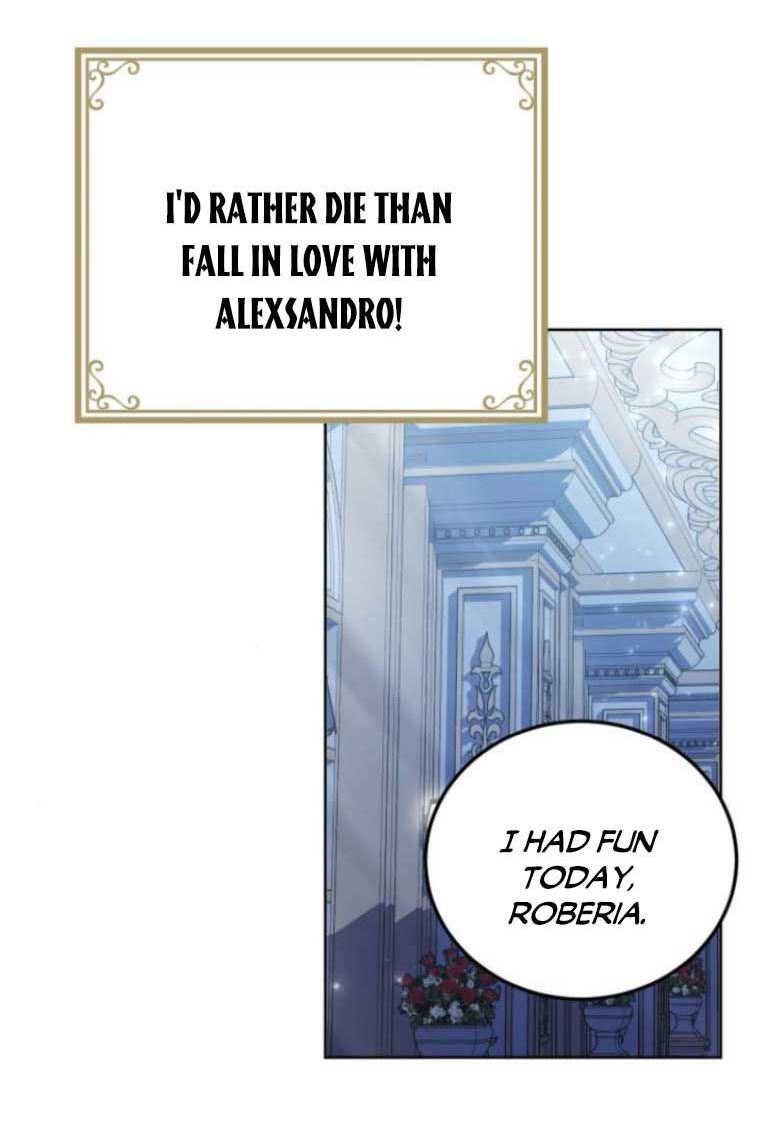
Heroine Robelia is a woman from Korea who possessed an ill-fated Empress in a novel. However her husband (Alexsandro) is trash who has a favored concubine and treats the empress like dirt until she finally dies. In a twist, the concubine, Aisha, is also from Korea. Typical white lotus who cries at everything and tries to act innocent while causing trouble. She is so ineffectual and dumb at it that it’s pitiful to watch, though. You can’t really get mad at her like you could at Trashta in Remarried Empress, for example.

If you believe that, I have a bridge in Antarctica to sell you

Anyway, Robelia asks Alexsandro for a divorce, but he refuses and promises to give her anything she wants except a divorce. That doesn’t mean he’s sorry for neglecting and ignoring her or that he will necessarily treat her better going forward, though. He says so himself: he’s not sorry. Maybe one day he will be, but maybe not. And if she insists, he’ll apologize, but he won’t mean it. Again, he says it himself. He’s scum.

The rest of the series is consumed by Robelia trying to do mean and rebellious things to force Alexsandro to divorce her, while dodging the cutely pathetic schemes of Aisha and resisting Alexsandro’s attempts to get into her bed. Yes, he’s only interested in keeping her around, sleeping with her and having her manage the palace for him. Love…? He doesn’t love anyone except himself.

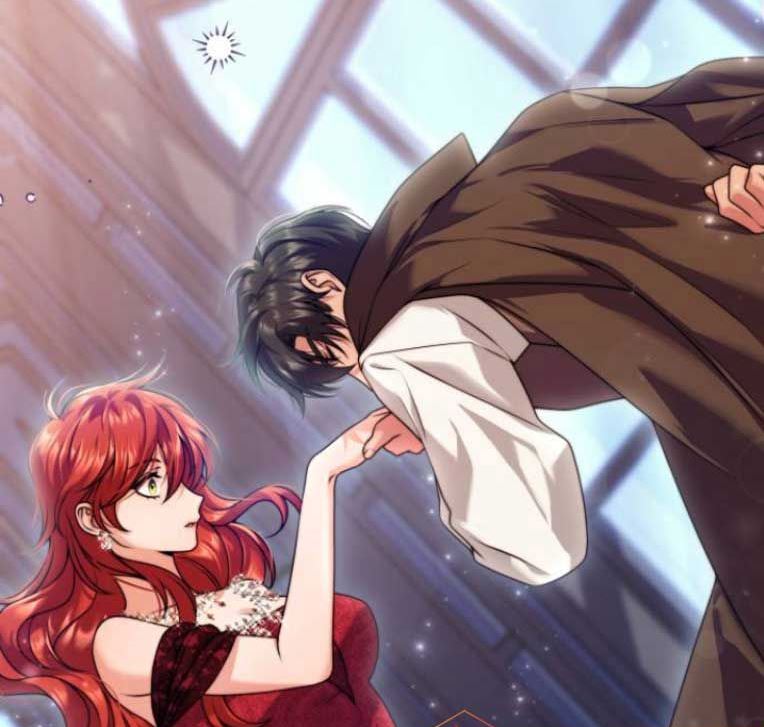
That makes it all the more painful when Robelia starts blushing and goes all heart-a-flutter whenever he kisses her hand or makes a suggestive comment. Girl, hold firm! He’s garbage! When garbage touches your hand, you don’t blush, you sanitize it! But no, it’s so obvious how this thing is going to go. Especially since Robelia is such a soft touch that she hasn’t done anything really bad to deserve a divorce. So basically she’s going to remain in this polygamous thing until Aisha messes up enough to be disposed of. Disgusting.

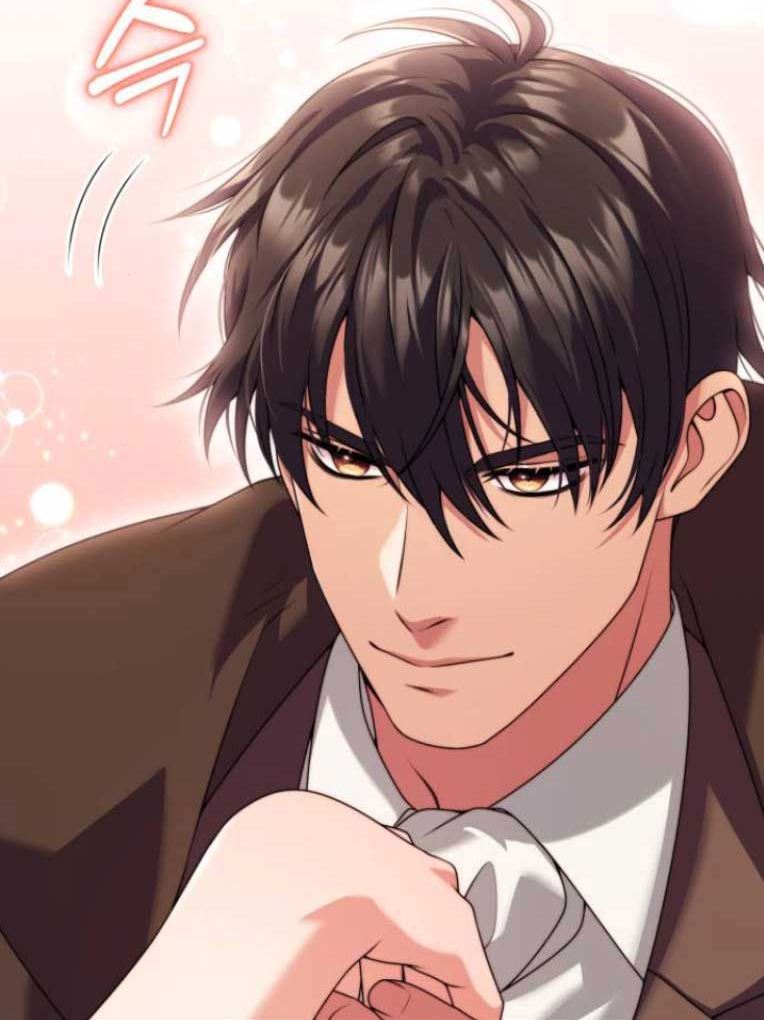
On the plus side, the character art in I Will Divorce my Tyrant Husband is gorgeous. I especially like Aisha’s flamboyant red hair and frequent outfit changes. This is how an empress should dress, not boring and dowdy like in 9/10 of other romance series. Everyone looks good, even– no, especially the scumbag jerk Alexsandro. And he knows it too, which is why every other shot of him features the biggest s**t-eating grin ever. So, so gross.

Alexandro the male lead from "I Wil Divorce My Tyrant Husband" Korean series
“I think I’m cute, I know I’m sexy”

TL;DR: I Will Divorce my Tyrant Husband is worth reading for the eye candy, and I quite like Robelia. But the male lead is just too filthy and hateful, so I’m not going to waste my mental powers on this series any more. (Psst: according to a spoiler I read, she does leave him briefly, but comes back right away because “he’s sad.”) Blergghh, yeah, I’m out.