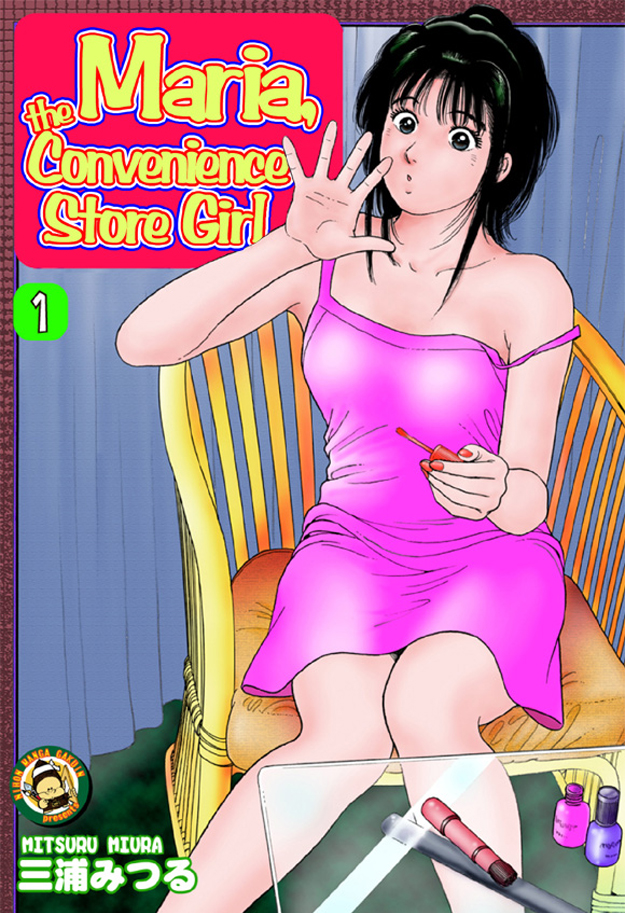
Maria the Convenience Store Girl volume 1 manga review

Maria the Convenience Store Girl is a 4-volume seinen slice of life manga written and illustrated by Mitsuru Miura. It was licensed in English by Netcomics and can still be read on their site for a small fee ($0.25 per chapter. I shudder to think how little the translator was paid). The Netcomics summary looks like this:

Maria is a sweet country girl who ventures to Tokyo to honor a favor for her late grandmother. Waiting for her at her destination – the Rosy Convenience Store in Misakigaoka – are the Tomekichi brothers, struggling with an increasingly senile grandfather, a clueless father, and a family business on the verge of bankruptcy. All seems hopeless, until one day Maria turns up on their doorstep – to the dismay of one brother in particular. To complicate matters, there are moody customers, ever-present food issues, and a shady inspector ready to strike at any moment.

Will Maria be able to save this little convenience store? Or is it doomed to fold?

A fun story that deals with life, love, and lunch, “Maria, The Convenience Store Girl” will make you feel warm inside–and maybe even a bit hungry!

Of course she’s going to be save it, otherwise this manga wouldn’t even exist. Maria is basically a perfect angel from on high who charms anyone and everyone she deals with in two pages flat. She’s earnest, naive, friendly, innocent (even when she’s randomly stripping to provide fanservice) and basically everything you would expect of a generic Mary Sue. They could easily have titled the series “Mary Sue Saves The Day,” since that is what every chapter boils down to.

No matter how serious the issue, whether it’s something minor like customers with dirty feet or something major like a woman trying to pass another man’s baby off as her boyfriend’s, all Maria has to do is smile and/or plead earnestly and everyone falls down at her feet and worships her knowledge and wisdom. “Maria showed me the error of my ways” is their everlasting refrain. It is ridiculously cheesy how she always ends up being the perfect solution to everyone’s problems. How Tokyo ever got along before she came along is beyond me.

Since that’s the case, there’s no need for me to read more than one volume of Maria the Convenience Store Girl. Heck, there’s no need to even read more than two or three chapters. Problem arise -> Maria solves it easily -> Everyone sings her praises -> Repeat from start. Even if more complex matters do arise in later volumes, it’s obvious she’s just going to solve them in her ‘innocent, country girl’ way, so there’s no reason to read it. The supporting cast only exists to make her look good, the art isn’t anything special, the little ‘comedy’ present is laughable, but not in a good way and long story short there’s no real reason to get this manga, not even for $0.25 a chapter.
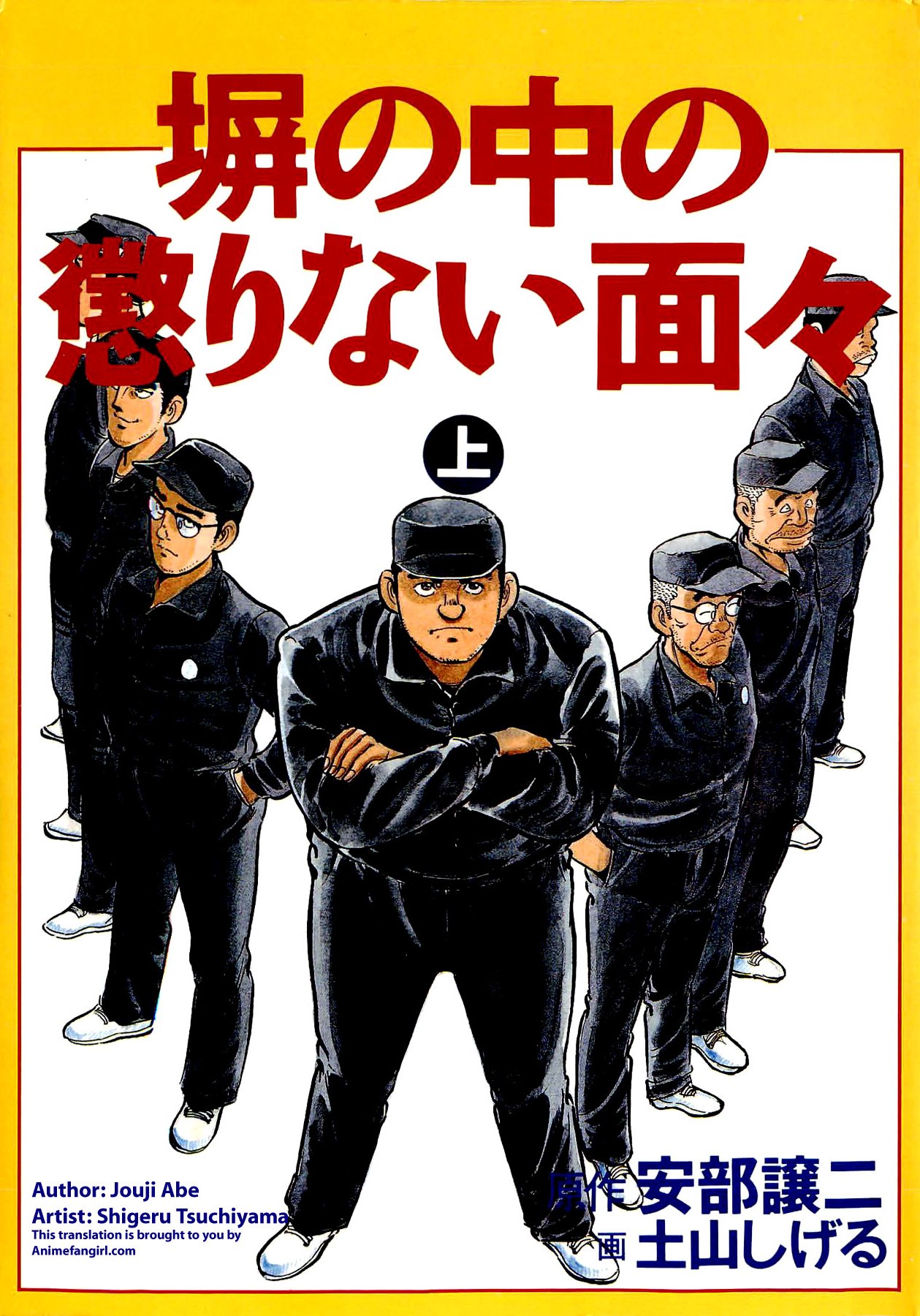
Hei no Naka no Korinai Menmen manga review

Sorry for the long break. I’ll continue my discussion on good fonts for manga typesetting later on. Today I’m continuing my love for baseball manga by which has led me to attempt to read just about anything labelled as a ‘baseball’ manga. The only problem is that Mangaupdates’ categories are seemingly written by people who haven’t actually read the manga in question, so as with Iruka-chan ni Yoroshiku, it turns out the sport played in Hei no Naka no Korinai Menmen is softball, not baseball. A later chapter even explains why certain sports, particularly sumo and regular baseball were banned from the prisons. But I’m getting slightly ahead of myself.

The Hei no Naka no Korinai Menmen (塀の中の懲りない面々)manga is an adaptation of an autobiographical novel by Jouji (George?) Abe, probably better known by Western fans as the writer of Rainbow. I haven’t actually read Rainbow, but it won the 2005 Shogakukan Manga Prize, got an anime recently and receives regular translations, so I figure most people must know it.
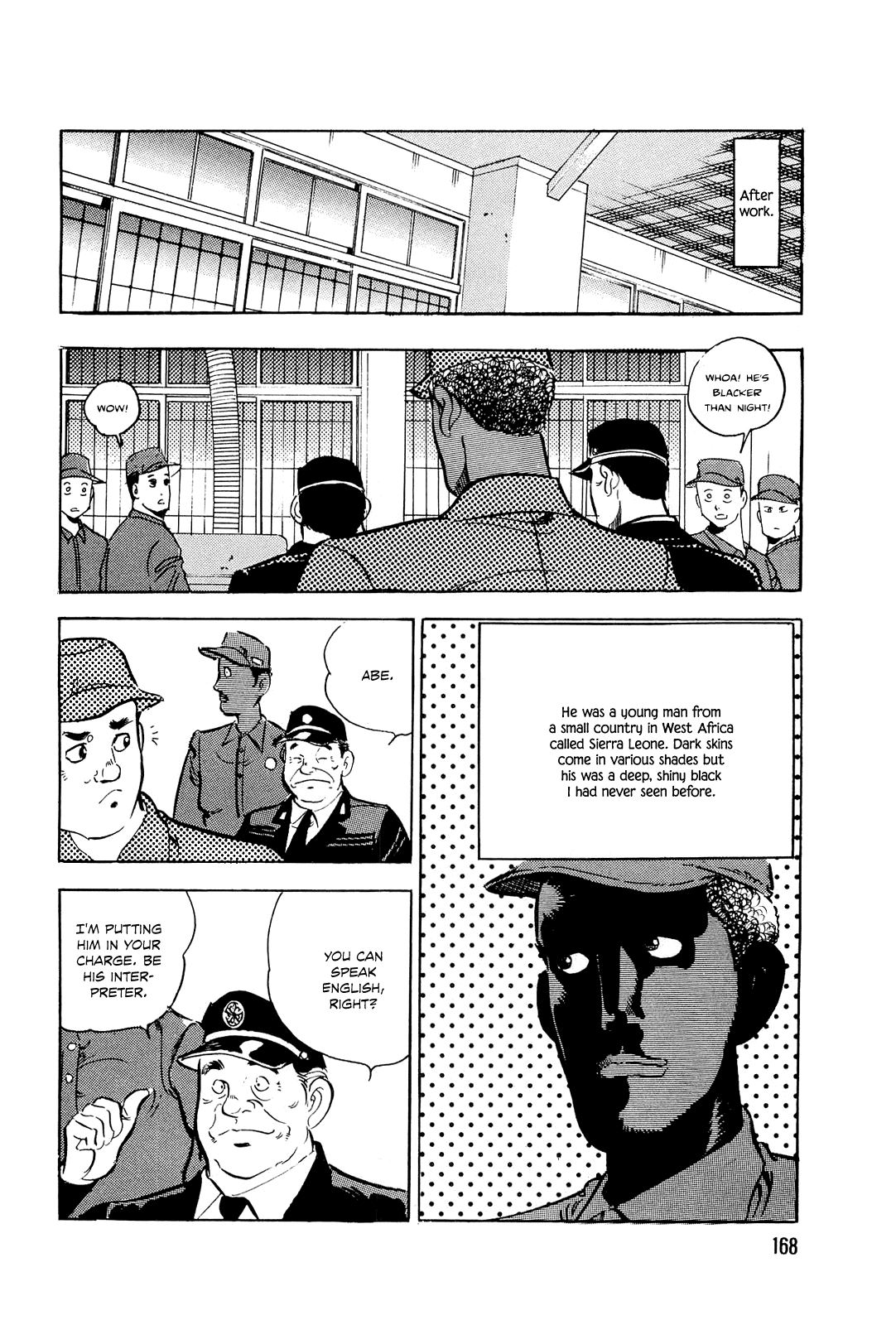
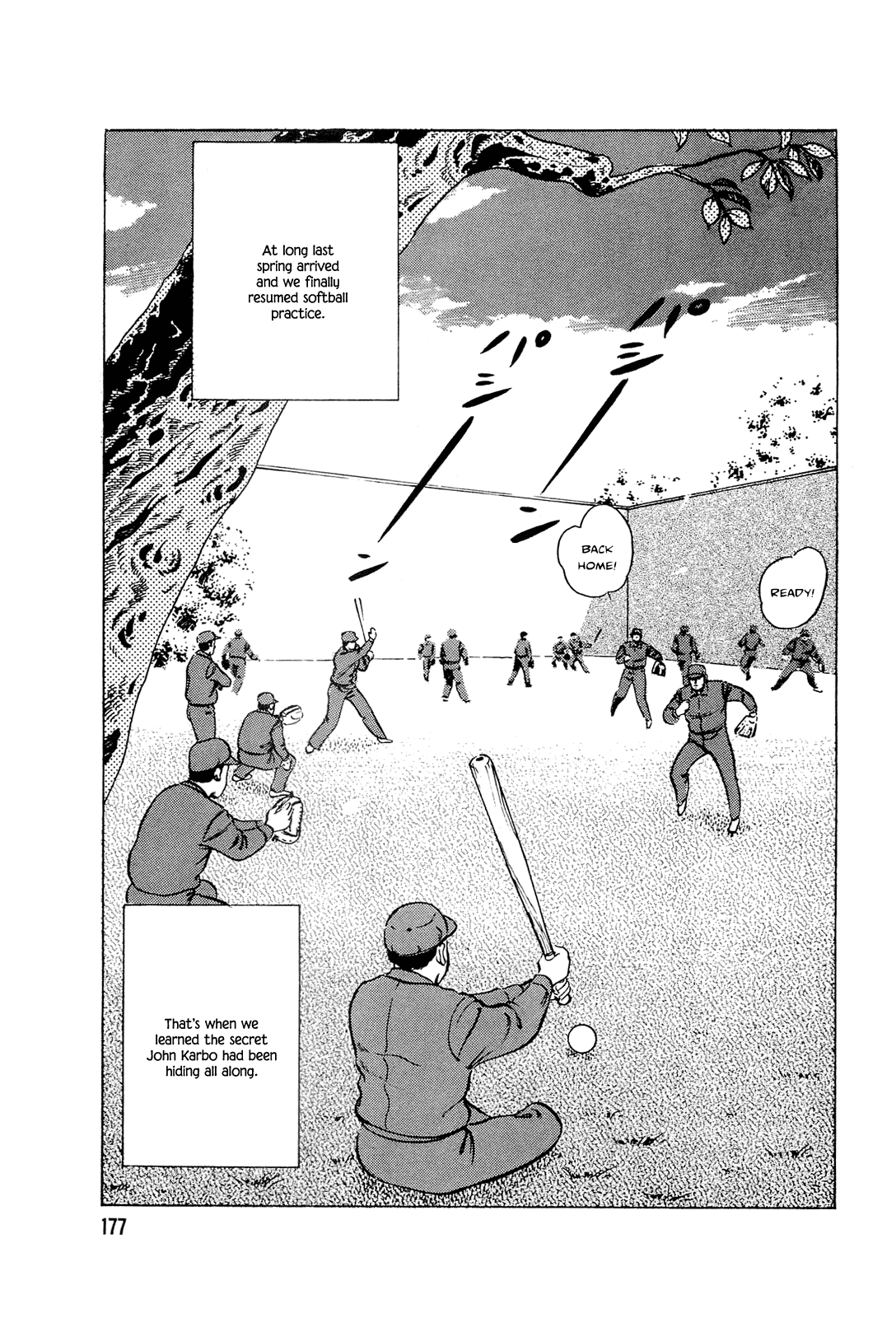
The original Hei no Naka novel came out in 1986 and was a smash hit, Japan at the time being relatively favorably disposed to yakuza tales. The book spawned a TBS drama, a movie and this manga and even won an award for introducing a new catchphrase, “— menmen” into the Japanese language.

Hei-no-Naka-172
Sample done by me. The original manga is in Japanese only.

What’s the book actually about, though? The title should tell you: “Hei no naka” = literally “within walls” i.e. in jail and “korinai menmen” = literally “people who haven’t learn their lesson.” Maybe something like “Unrepentant Jailbirds” would be a good title in English.

The manga chronicles Abe’s time in jail for… I forget exactly what he did. Does he ever say? Not sure, but he was definitely guilty. Most chapters focus on different individuals he encounters within the prison system. While there is a recurring cast of regulars, most chapters can be read on their own as standalone chapters.

That’s it for the content. Is the manga any good? Alas, it’s lacking quite a bit. It’s only 2 volumes long, but I suffered before I could even finish volume 1 and didn’t bother with the second one. Artistically speaking the art is clean, the character designs are simple but memorable, the panels are simply and effectively laid out, etc, etc. There’s nothing to complain about visually.

The problem is, the Hei no Naka manga sticks way too faithfully to the source text. It’s more like a heavily-illustrated novel than like a manga. It’s most likely because nothing much happens in the novel (which I haven’t read). To cut a long story short, most chapters consist of page after page of people just sitting around talking with these huge dialogue boxes full of reams of text over their heads. And they don’t talk about anything important either, just complaints or ranting about society (which is rich coming from the dregs of society) or Prisoner X explaining Prisoner Y’s background at length to the other prisoners, that sort of thing.

Hei-no-Naka-181

I must also take issue with the “golliwog”-style design of the African character in chapter 8. The other characters all have clearly defined features (though the slitty-eyed Chinese man is… not cool) but John Karbo is just this black mass with eyes and a vague nose and thick lips. And you thought blackface was a thing of the past. It’s a documented fact that some people in West and East Africa have very dark skin, but they aren’t featureless golliwogs the way this manga portrays them. I’m going to put it down to Japan being very ignorant about Africa back in 1988 and an overzealous artist trying their hardest to convey the “blackest of the black” skin the author calls for.

tl;dr Hei no Naka no Korinai Menmen is not a very interesting manga -the premise and the setting are intriguing, but the execution lacks a lot. If you like wordy, slice of life manga where nothing much happens you could do worse than this, but otherwise it’s not that great. If Jouji Abe’s story of his life in prison interests you, see if you can find the movie or the TV drama instead.

Kimi ni Straight manga review

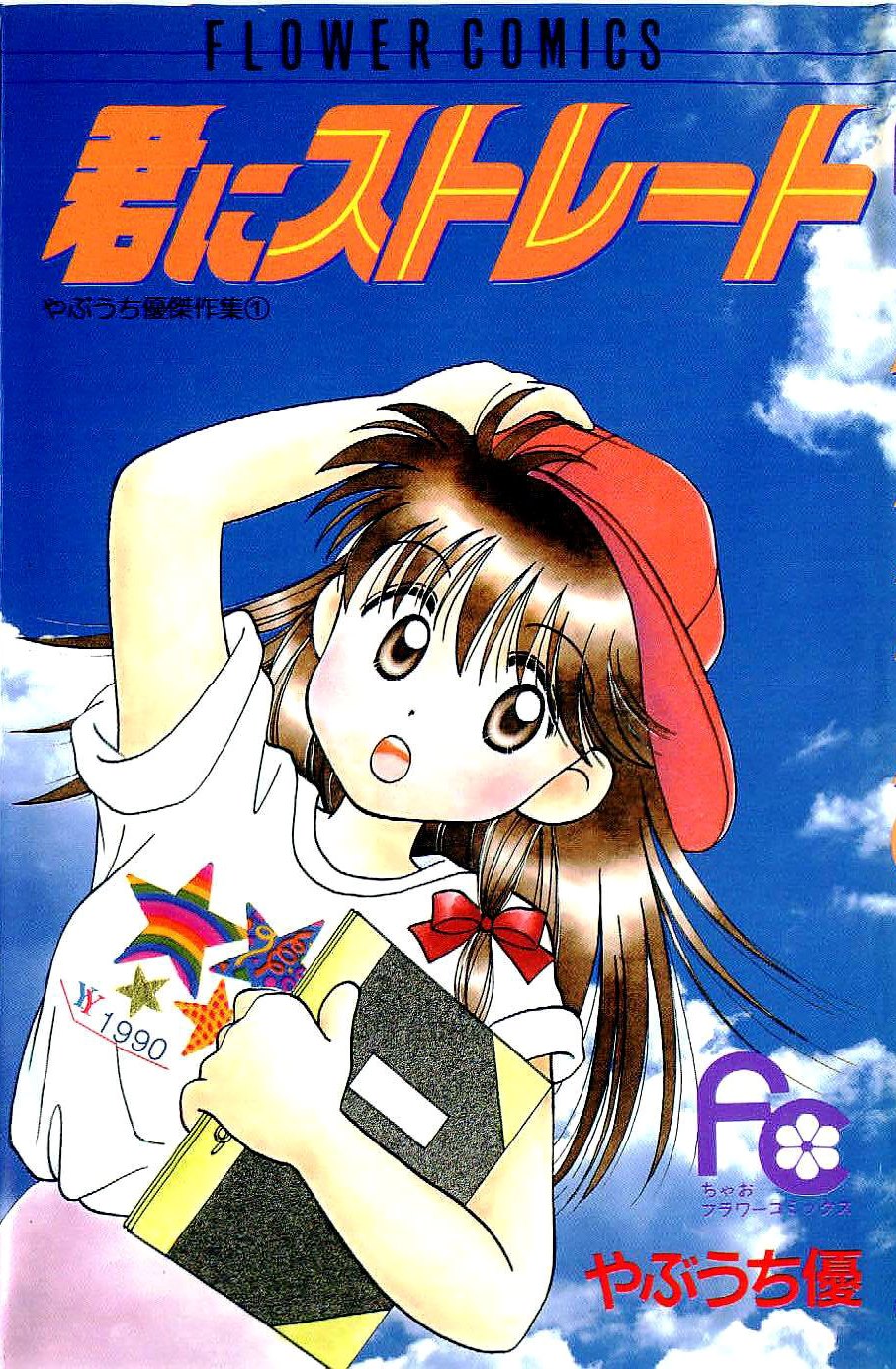
Kimi ni Straight is a collection of one-shots by Yuu Yabuuchi, a shoujo mangaka. She’s not as super popular as some other shoujo writers, but she has had some big hits with Shoujo Shounen, Mizuiro Jidai and Naisho no Tsubomi, which won the 2009 Shogakukan Children’s Manga Award. Looking at Mangaupdates I see other titles of hers that should be known to western fans: Ani-com, Chiko’s Wish (another collection of one-shots), Hitohira no Koi ga Furu, Kimi ga Mai Orite Kita  (yet another collection of one-shots), Koi o Kanaderu Kisetsu (even more one-shots) etc. etc. 
The Mangaupdates summary of the title story, Kimi ni Straight, goes like this:

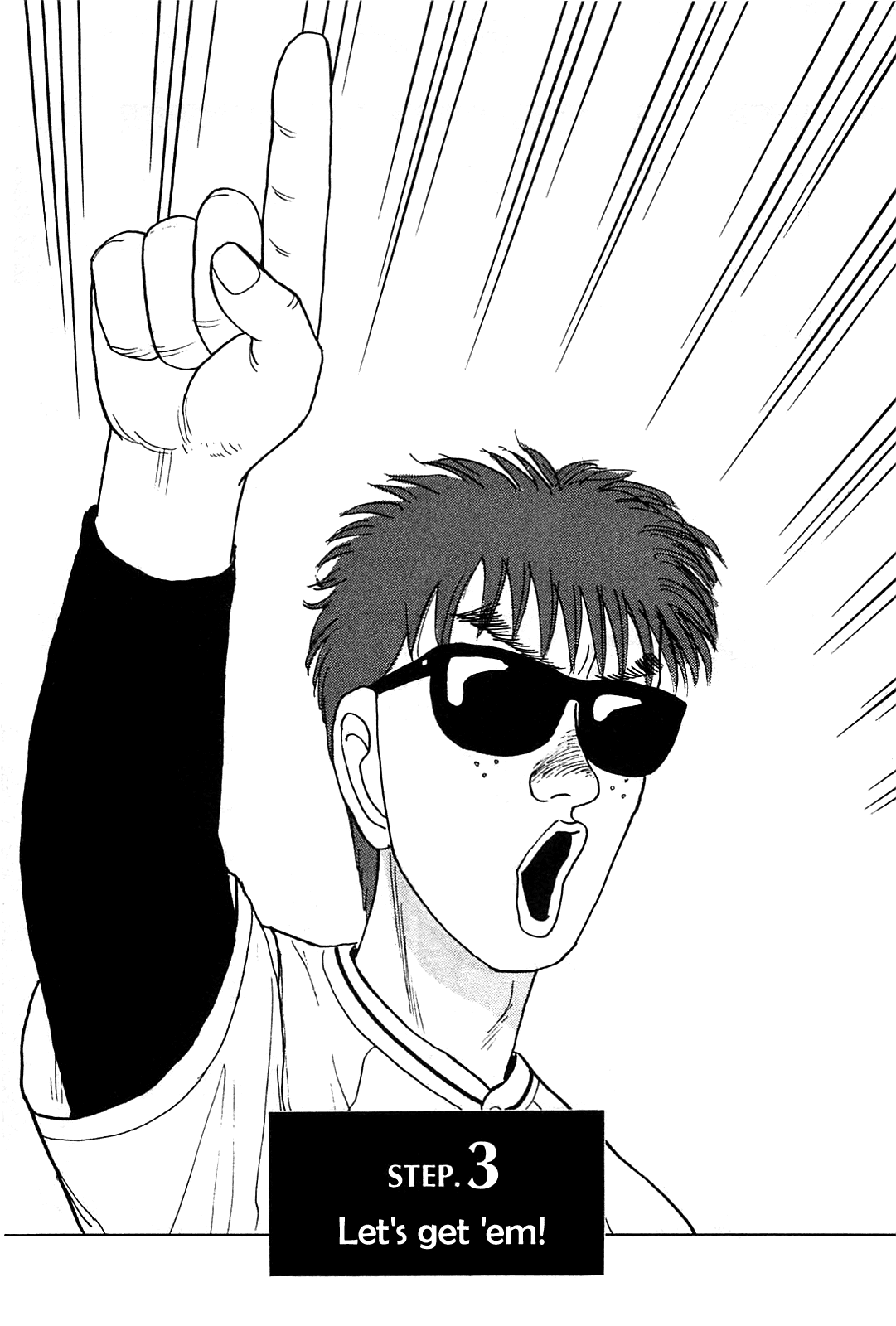
Arashiyama Sagano just got beaned on the head by an errant baseball thrown by a rather rude classmate named Awano. This was his method of finding a manager for the baseball team for whom he pitches. Sagano reluctantly accepts and she becomes the team manager. Thing is, Awano’s got game, much like his father who went to Koushien in his time. Is Sagano falling for him?

It’s a bit of a spoiler because it’s supposed to be a shock when Sagano finds out about Awano’s late dad and stuff, but it doesn’t matter because it’s not that good a story anyway. The Kimi ni Straight book is made up of Kimi ni Straight, which is about 100 pages long, and three other short stories all set in winter and called Snow Fantasy 1, 2 and 3. Snow Fantasy 1 and 3 are sweet and likeable, but Kimi ni Straight and Snow Fantasy 2 pissed me off.

What’s wrong with them? They both follow a similar pattern: 

1. Boy is a jerk to girl, who dislikes him
2. Boy suddenly acts nice to girl for some reason
3. Girl: *doki doki* What an awesome guy
4. It turns out that boy was being a jerk because he likes girl.
5. Girl falls in love with boy.

And they all live happily ever after. It’s a very predictable pattern and there are 99,000 other shoujo manga out there where a girl falls in love with a jerk, so I don’t see the need to add any more to the pile.

I thought Snow Fantasy 1 and 3 were very sweet because no one is mean to any one. Story 1 features a boy with a hopeless crush on his senpai and Story 3 has a girl with a crush on a boy she sees every day on the bus. They’re mundane, everyday occurrences that could happen to anyone and all the cuter for it.

If either story was turned into a series then there would be all kinds of misunderstandings and evil rivals and some jerkish guy would appear to sweep the main girl off her feet and on and on, but these being simple, happy one-shots nothing of the sort happens. They’re good for cleansing your soul after reading too much blood and gore. The characters are nice (main story excluded), I like the not-dated-at-all character designs and every story has a happy ending, hip hip hurray.

So like most one-shot collections Kimi ni Straight is a bit spotty in terms of story quality. Still the two stories I did like tell me that Yuu Yabuchi’s other manga are worth at least a try because she’s good at writing sweet romances when the mood strikes her. I’ll read some more if I get the chance.

Rannyuu Koshien Foul chapter 3

I really enjoyed Rannyuu Koshien Foul. I like that it has a good mix of serious and silly moments without going too far to either side. Sports is meant to be fun, so sports manga should be fun too, but far too many series take the whole thing too seriously. Then on the other side of the spectrum you have gag series like Mr. Fullswing, which aren’t bad necessarily but can be hard to follow because there are too many gags everywhere you turn. RKF is in the middle. The sports parts are good but everyone’s just out to have fun at the end of the day. I like that. I like it a lot.

I also like the way that those characters who seem a little crazy/wild initially are not really that nutty while those who seems pretty normal actually have hidden crazy sides to them, Yoshimura and Coach Taira in particular. As the series goes on you reach a stage where you think you know the characters well enough that you can predict what they’re going to do next, but they still pull out surprises from time to time. It makes what could have been be a very pedestrian manga well worth following, because you’re not quite sure what Yoshimura is going to do next, or what Yoko is going to pull next, etc. If you’re interested you should definitely grab a copy of Rannyuu Koshien Foul (volume 2 is here) for yourself.

More recently Hideo Iura wrote a manga called ‘Bengoshi No Kuzu‘ that won an award and adapted into a successful J-drama. A law drama doesn’t seem like my sort of thing, but now I have enough faith in his powers of characterization that I’m thinking of giving it a try someday.
Stopper Busujima manga review

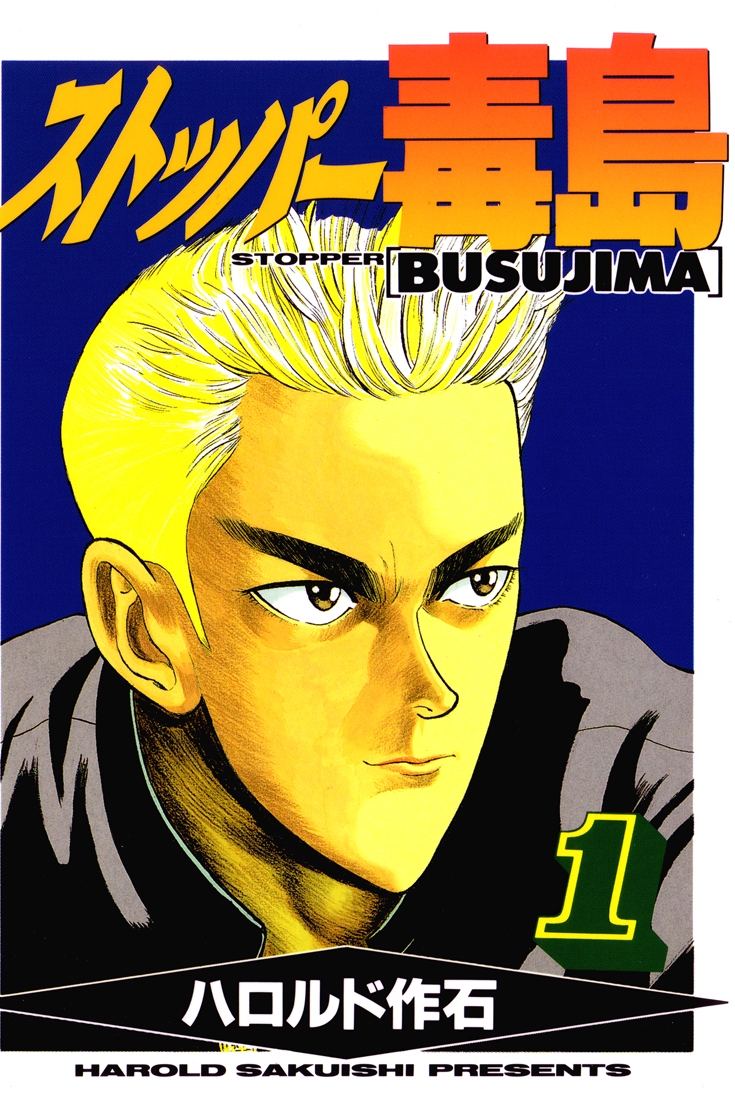
Quick comments on Stopper Busujima by Harold Sakuishi, since I’m still on a baseball manga kick. The Stopper Busujima story summary goes like so:

A professional baseball manga by Harold Sakuishi, the author of Beck.

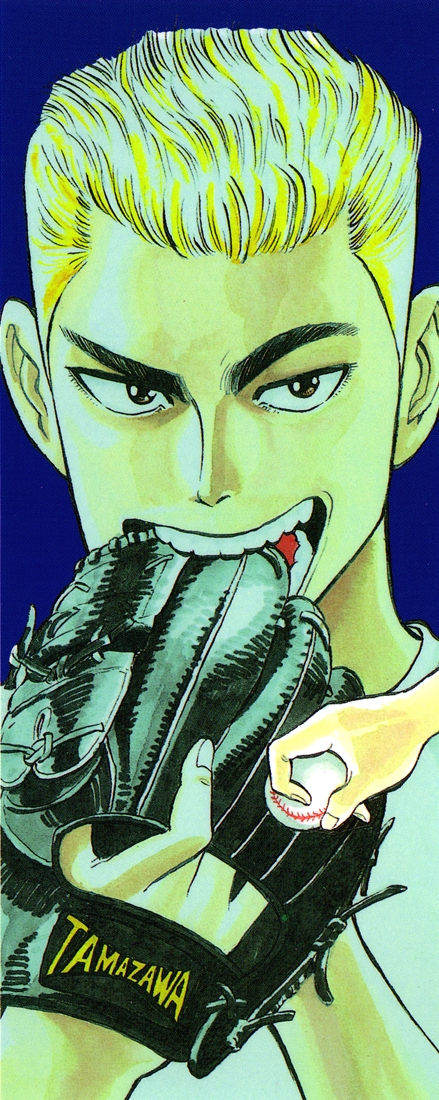
Taiko Busujima is a powerful young pitcher looking to make it into the Japanese big leagues, but what he didn’t count on was being signed to the Keihin Athletics, the cheapest and worst team in the league. Can he help turn the Athletics around and (gasp) win the pennant?

A gripping, edge-of-your-seat story loaded with Sakuishi’s brand of wacky humor.

It does have some wacky humor in it, but I don’t know about the “gripping, edge-of-your-seat part. For one thing, much of it is way too unrealistic. This wouldn’t be a problem for a sports manga like Prince of Tennis which doesn’t even try to be realistic, but for a manga that uses many real-life characters, half of the things that go on just don’t make any sense. First off, it’s bizarre enough that an untried, untested pitcher with a history of causing trouble like Busujima even got signed professionally in the first place.

But having been signed, it makes zero sense for him to be immediately sent up to the majors. It almost never happens in real life, and when it does it almost never works out. And rookies who do immediately go to the majors are those considered almost perfect in technique, stamina, etc, none of which Busujima possesses. With that 160 km/h pitch, he’s actually a huge danger to all those around him because of his lack of control. No team, no matter how desperate would put him in their first team immediately.

stopper busujima backThe second problem with Stopper Busujima is Busujima’s personality… or lack of one. We don’t often get into his head, and when we do he isn’t thinking much. That’s fine in the beginning because he’s made out to be a rough, dumb, instinct-type kind of character. That makes it much more amusing watching other characters react to him.

Now there’s no way he could get through the whole series without any character development, but Sakuishi just went too far and basically neutered the guy. By volume 5 he’s a shadow of his former self, reduced to a normal good-guy typical shounen hero. Hard-working, cares about his team, serious to a fault, etc etc. He’s barely the same character any more so it’s really boring.

Third problem, and the reason why I didn’t bother continuing after volume 5 is that there are too many characters and it’s not interesting any more. In the space of a few short chapters Sakuishi introduces all kinds of new characters when he hasn’t even finished dealing with the old ones yet.

Shimizu, for example, is made out to be so important in the beginning and then he just completely disappears for several volumes. I even forgot he existed! So while some mangaka can juggle a huge cast and keep them all relevant, Harold Sakuishi doesn’t seem to be one of those. The writing is on the wall that the manga is just going to go downhill from that point onwards, so I bailed out while the going was good.

Last problem: introducing the ‘cool older brother’ after 5 volumes. It worked for Naruto and for Inuyasha and in general it’s a successful enough trope that it shows up all the time, but that doesn’t mean I have to like it. And it would be one thing if the older brother came back when Busujima was still wild and crazy Busujima, but he’s all Sasuke at that point so it’s like, meh. Boring.

Having said all that, it’s not like Stopper Busujima is a bad manga. It has its good parts, especially in the early days when Busujima is still trying to find his feet and hasn’t become the mega-phenomenon he’s beginning to turn into by volume 5. There’s some humor in there, and baseball manga set in the pros is usually much more interesting than high school manga for me because there’s a wider range of topics they can deal with. High school baseball always has some girl or another in it and there’s always Koshien to aim for, blah blah blah. Whereas the sky’s basically the limit for manga set in the pros.

tl;dr Stopper Busujima is worth a read for the first few volumes if you like baseball manga and crazy characters, but after that it’s only worth continuing if you like typical shounen developments in your seinen manga.