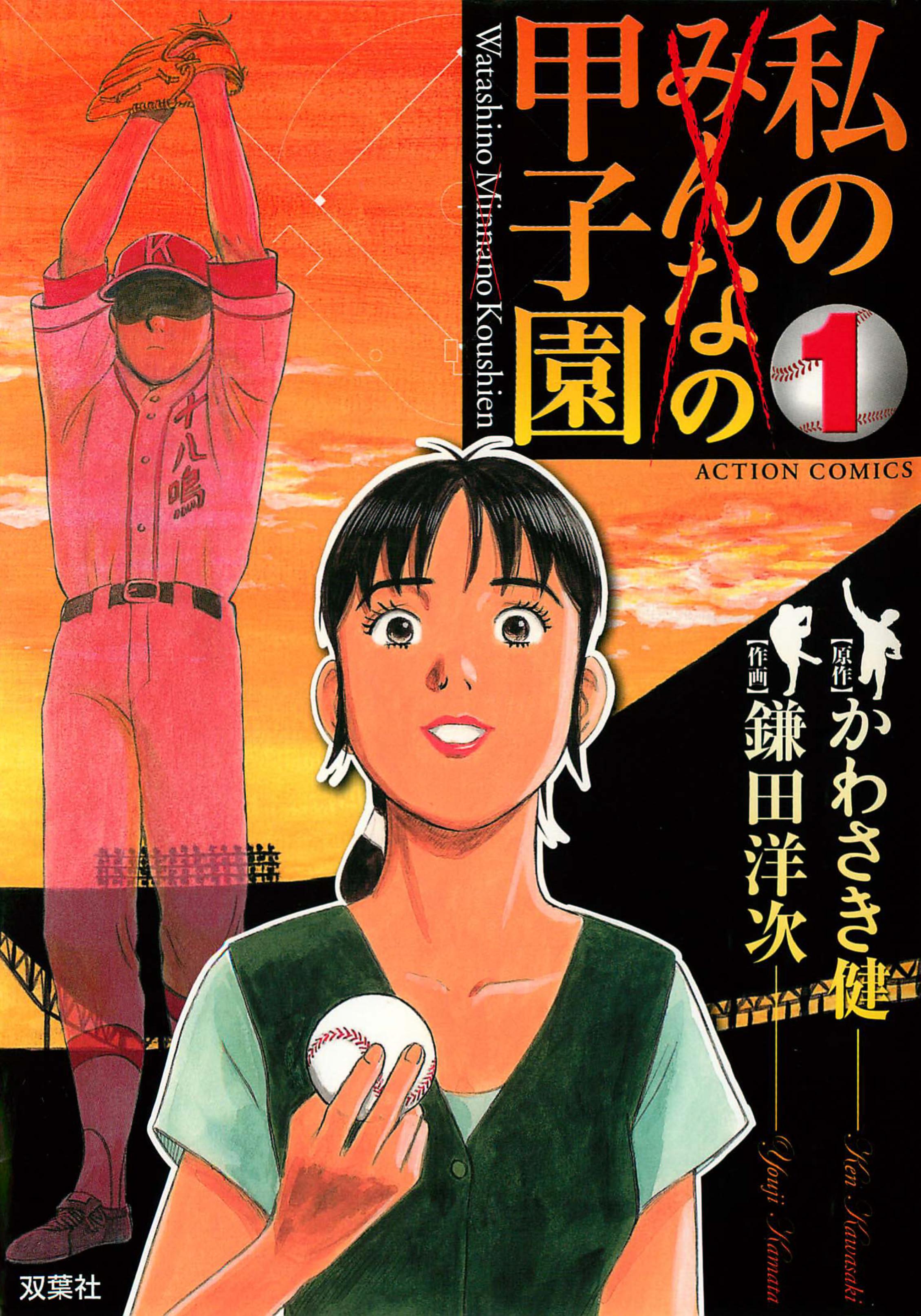
Watashi no Koshien volume 1 review

As you can see from the cover, the title is actually Watashi no Minna no Koshien (私のみんなの甲子園), i.e. Our My Koshien. The main character (?) is putting the “I” back in team by whipping a reluctant team of misfits back into shape to fulfill her dream of taking her school team back to Koshien once again.

It’s like this: Shihono Wataya was the manager of a high school baseball team that made it to Koshien once. After being eliminated they all swore to make it back there again but never did. At some point in time the team pitcher and ace (and Shinono’s boyfriend?) died. 10 years later Shihono gets her hands on a baseball that contains the ghost of the dead pitcher. This prompts her to become a substitute PE teacher at her old school + the baseball club’s coach. Said baseball club has really gone to seed, so it’s her job to get them fired up and ready to go again.

…Which she achieves rather easily in a few short chapters. Though I guess it shouldn’t be too surprising – anyone who would join a baseball team in the first place is at least moderately interested in playing the sport, Even their new pitcher Kouhei, who moved from Tokyo out to the boonies because he was allergic to the word “Koshien” (it’s a long story) gets with the program really quickly. As with most manga pitchers he’s also a highly-talented diamond in the rough who just needed a bit of molding.
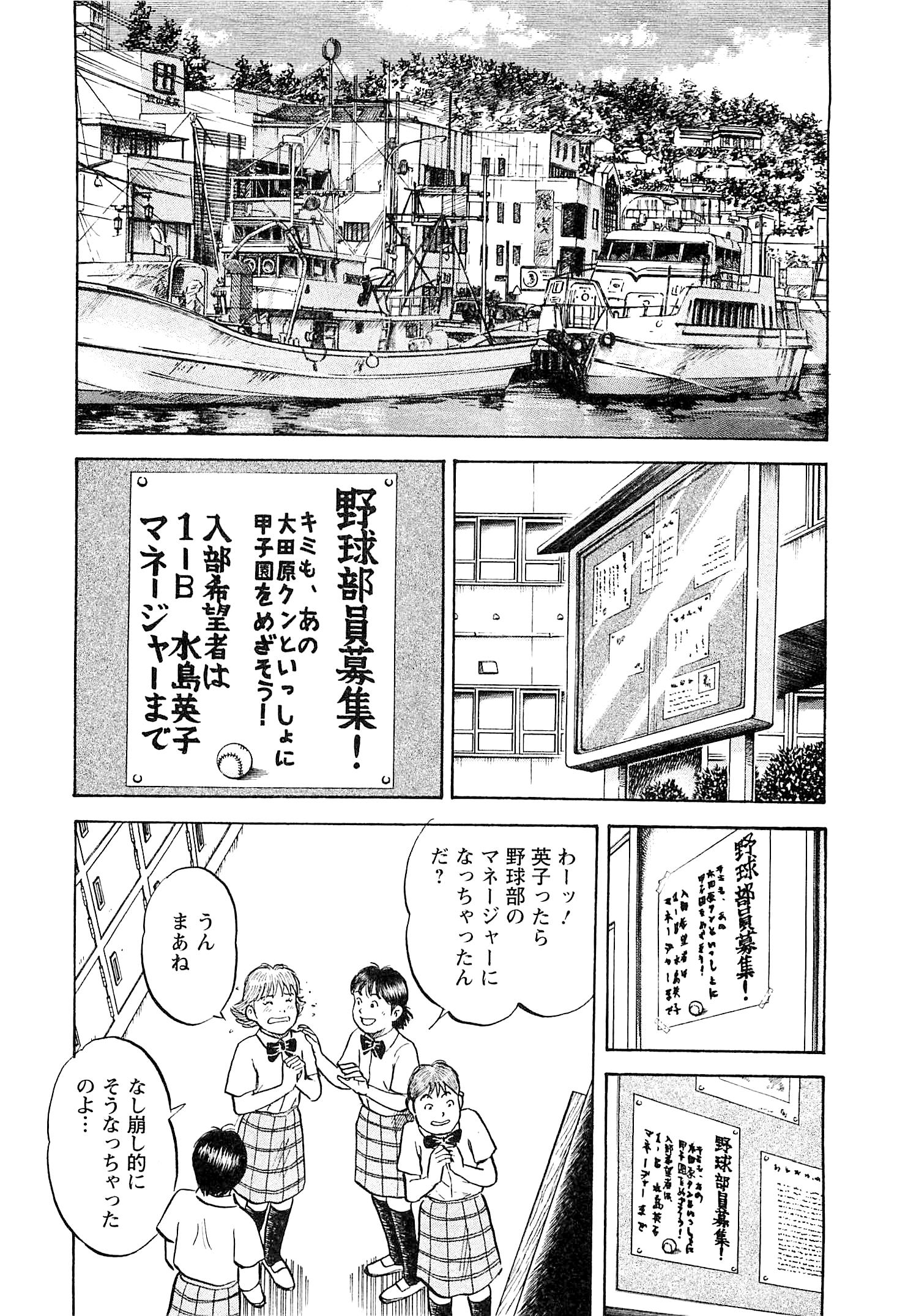
私の甲子園 01_156+1Watashi no Koshien Volume 1 ends with our plucky team being suddenly thrown into a match with the best team in the prefecture, another staple of high school baseball manga, for those of you who follow it. And if I know my baseball manga I can predict how that game is going to go, but it’s still fun to watch it play out. Shihono is a complete amateur at coaching baseball, most of the players aren’t very good, and one of them was borrowed from the Handicraft club to make up the full 9, so we can expect a lot of silliness before the game is over.

So far the team of Ken Kawasaki (author) and Youji Kamada (artist) are doing a good job of making both the story and the action simple and easy to follow. The art and character designs are very well done, very “seinen-looking” a term that probably only makes sense to me, but it’s a style that makes me think immediately of dramatic seinen manga whenever I see it. I may have read something else by Kamada before. The only thing I can fault him for is that his backgrounds are a bit flat, as the page I posted shows, but since sports manga is more about what goes on in the foreground between characters I guess we can let it slide.

The cast is small, characters who should stand out do stand out (catcher, pitcher, two others) and the rest are clearly relegated to nameless fodder so we don’t waste brain power trying to remember their names. Contrast that to something like Big Windup! where it took nearly the whole show (season 2 included) to learn who was who.

It’s only volume 1 of 5, so it can be forgiven for being a little sparse on content as well. No great rival has shown up, no real problems have cropped up, everyone’s working hard and getting along nicely. So there isn’t much to say about Watashi no Koshien at this point except it has nice art and the story seems quite promising. Will the team make it Koshien where so many other baseball manga teams have failed? I will find out and tell you in due season.
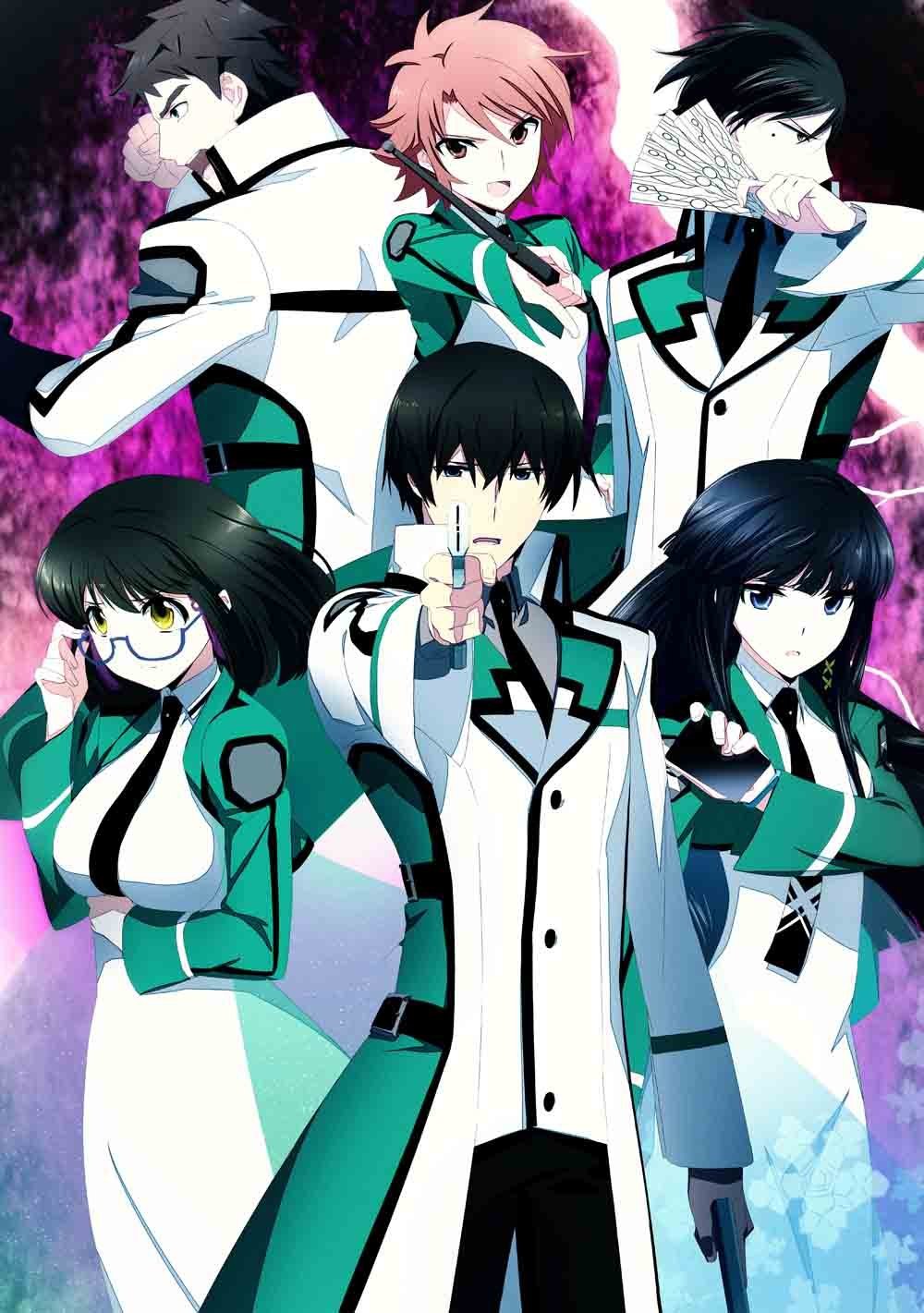
Up to episode 18 of The Irregular at Magic High School (spoiler warning)

I kept watching out of sheer inertia, ‘cos I was too lazy to start anything else. That doesn’t mean The Irregular at Magic High School has improved much over the first 6 episodes. The second arc was a slight improvement over the first, but not enough to move the series into “good territory.”

Last time I mentioned that the large number of characters hurts the series, and all the second arc did was add even more inconsequential characters who get a little attention for a few minutes and then vanish into the ether again. Honoka, for example. We get that she has a crush on Tatsuya, but… so? Erika’s brother appears, then disappears. And apparently his name is “Kentsugu” and he’s dating Mari, but didn’t Mari refer to her boyfriend as “Shu” in an early episode? Well, whatever.

In any case, a series about an overpowered hero is only good if he has someone to really show that power against. The more competent the bad guys, the better the main character looks when he overcomes them. When they’re Saturday morning cartoon villains like in this show, then it’s just like shooting fish in a barrel. I even start feeling sorry for the poor suckers.

mahouka miyuki tatsuyaThe first arc was a laughable affair, with some of  the stupidest terrorists I’ve ever seen in my life. So you want to break into the school and steal their secrets? Why do it in broad daylight when nearly all the students are present? Why not go in at night when there’s only security and maybe a few stragglers to dispose of? And once their attack on the school failed, why would they all stay huddled together in one building waiting to be taken out by anyone who cared to do it? Why not disperse and regroup later? Since they were so dumb, Tatsuya gets no points for taking them out.
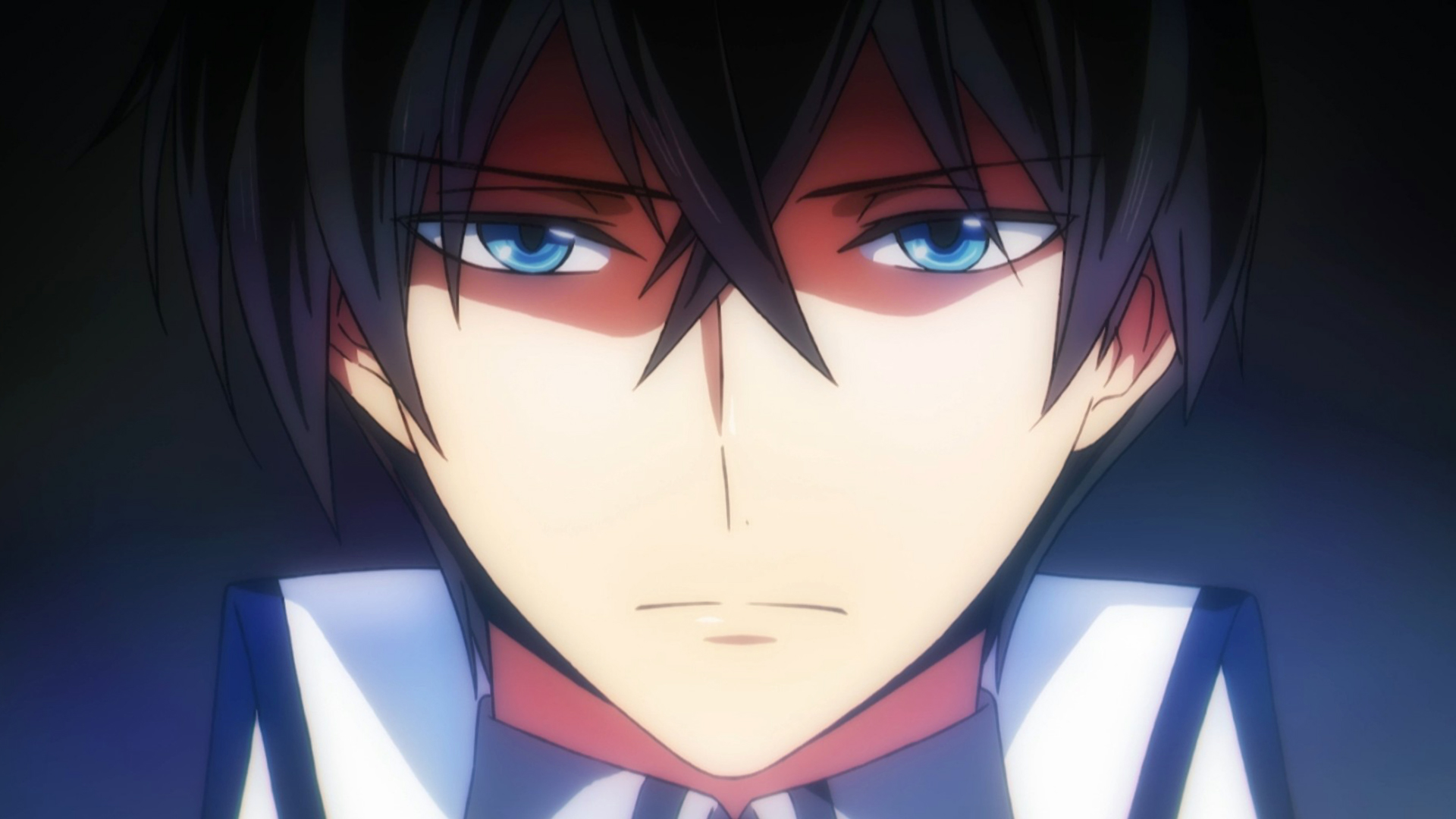
But that was just the introduction, right? The subs even call it the “Orientation” arc. Then the Nine School Competition begins, which is pretty much the Olympics for magicians. And there’s a shadowy group of triad members plotting to take down our hero’s school, will they succeed? And what is Tatsuya going to do about Suzaku a super-powerful rival by name of Ichijou Masaki?

Yeah, well, he basically kicks everybody’s asses like he always does. That Ichijou guy was an overrated one-trick pony anyway. The only reason we know he’s supposed to be good is because the story says so. All he does is put some magic circles in the air, then Tatsuya jumps around all kung-fu like and stuff and then eventually beats Ichijou by snapping his fingers. …This post contains spoilers, btw.

The “fight” with the triad guys is even more pathetic, so much so it doesn’t deserve a description. He basically shoots them all from 1000 meters away after toying with them for a bit. “Nobody threatens my little sister and lives!” Good for you, Tatsuya, good for you.

tatsuya-shiba-anime-mahouka-koukou-no-rettouseiSo… not much has happened since the series started except the whole world is being forced to recognize just how strong and manly and intelligent and unbeatable and wonderful and [insert 200 other superlative adjectives here] Tatsuya is. Whether you like The Irregular at Magic High School or not will depend largely on how much you like Tatsuya and enjoy watching his bored-looking efforts.

Personally I’m on the fence. I can’t say I like him, but I don’t hate him either. His characterization is a bit inconsistent though. Sometimes he says “I have no emotions except siscon love” but then he goes ahead and shows all kinds of emotions anyway, from amusement to annoyance to embarrassment to shock and surprise, so what exactly does he mean by he has no emotions? Luckily the writers aren’t skilled enough to make me care about getting to the bottom of his personality. I just wish someone strong enough to push him to the limit would show up before the series ended.

I’m going to place my final hopes on the third and last arc. Another 8 episodes and we’ll talk again.

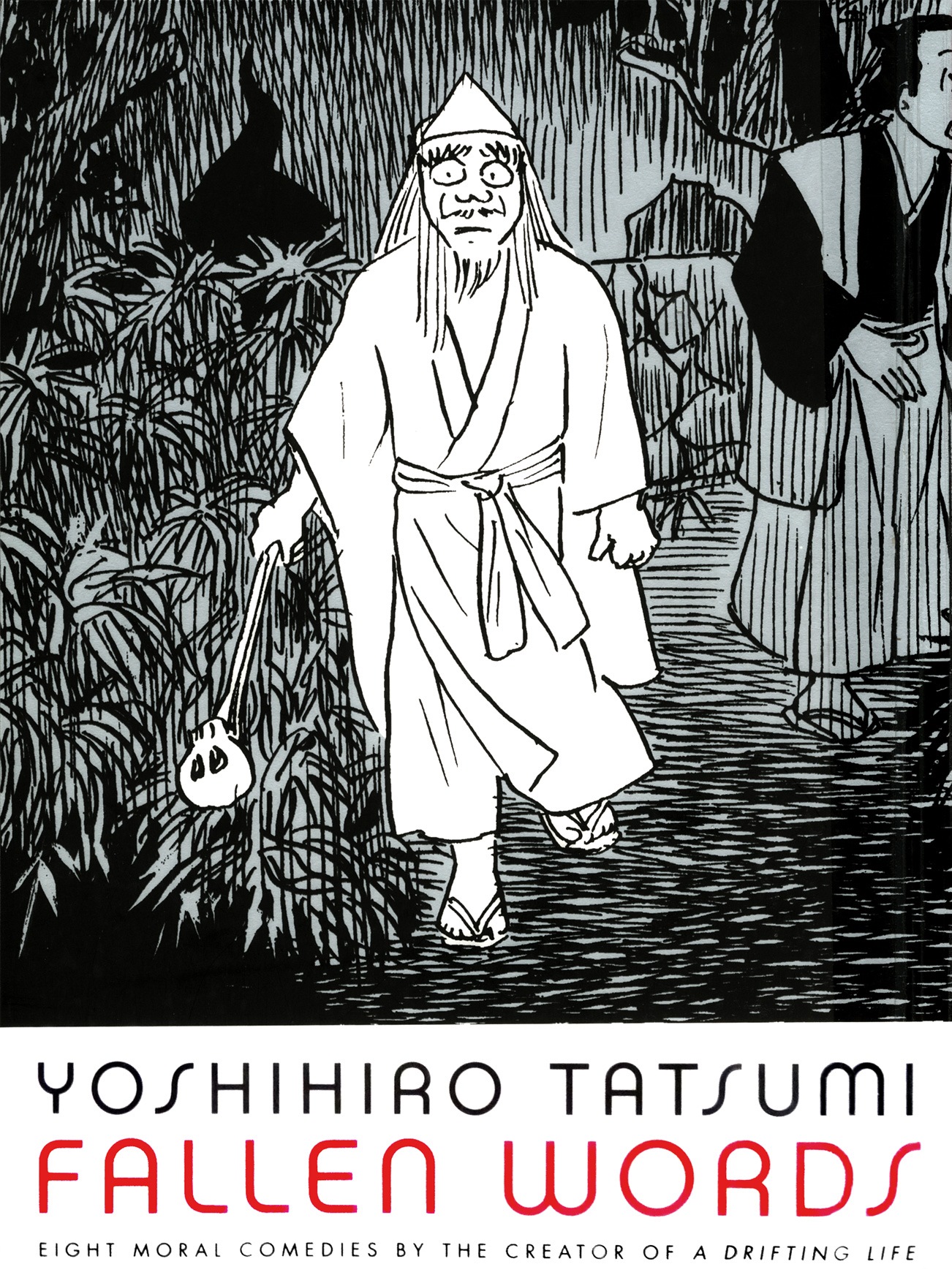
Fallen Words manga review

Does a manga count as ‘alternative’ if it actually makes sense and isn’t weird at all? 😀 Or should I just keep my mouth shut and be grateful that, unlike the other stuff Drawn & Quarterly has presented, Fallen Words by Yoshihiro Tatsumi is a quick, simple and funny read?

Yoshihiro Tatsumi’s epic memoir A Drifting Life was published in 2009 to overwhelming acclaim, garnering prestigious awards around the world, landing on The New Times “graphic books” best-seller list, and inspiring a feature-film adaptation. For his follow-up, Tatsumi shifted gears dramatically, finding inspiration in the centuries-old Japanese storytelling tradition of rakugo, or “fallen words.” By fusing this comedic, performance-based art form with the visual language of manga, Tatsumi proved that, at the age of seventy-five, he is still one of the medium’s foremost innovators. Humorous, provocative, and thoroughly unpredictable, Fallen Words is a deceptively lighthearted look at the moral quandaries of life and death.

Yes, that’s the secret behind its readability – Fallen Words is simply manga retellings of age-old Japanese folk stories, so to speak. Most of them are funny, a few of them are thought-provoking, and a saddening number of them just revel in the depravity and moral decadence of the Edo Period. It’s not Tatsumi’s fault I suppose, since he is merely retelling stories that have been told and retold thousands of times over hundreds of years. But still the glorying in immorality is sad to watch.

Fallen-words-007“Although they know God’s righteous decree that those who do such things deserve death, they not only continue to do these very things but also approve of those who practice them.” (Romans 1:32 NIV). And so it is with Fallen Words, where 3 out of the 8 stories portray the deliberate destruction of innocence as a positive and even amusing occurrence of no great lasting consequence. Pathetic.

What about the other 5 stories? Those were really good, to give credit where credit is due. Some like “The Inkeeper’s Fortune” and “New Year Festival” were happy, lighthearted affairs, and “Escape of the Sparrows” actually made me laugh out loud. Others like “The God of Death” and “Shibahama” were a little more serious, and they’re the ones that look at the moral quandaries of life and death. I can see myself telling the stories to my younger nephews and nieces, with a few minor tweaks here and there.

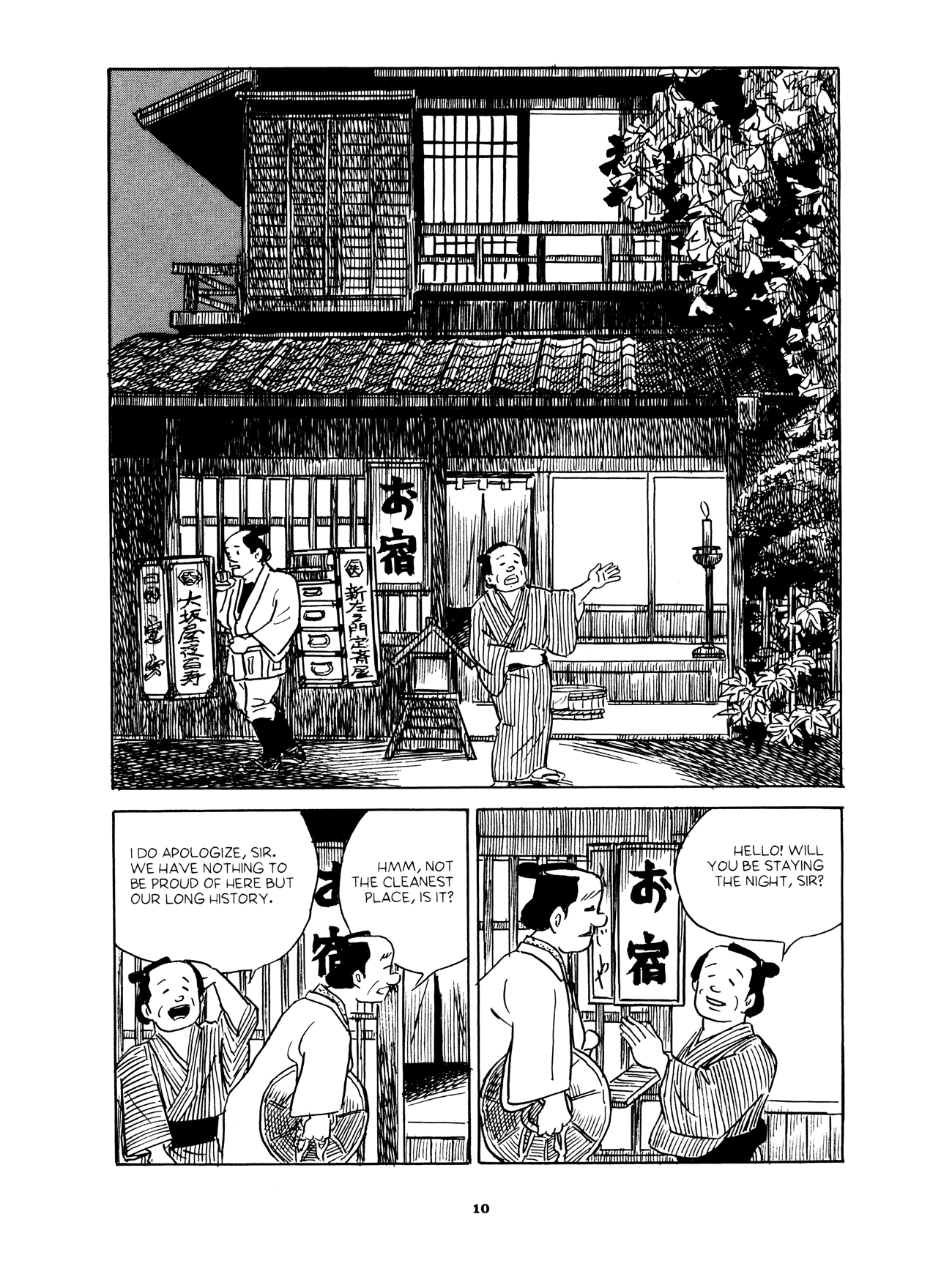
I must say I really liked Yoshihiro Tatsumi’s style of art as well. Bold lines, simple art that nevertheless contains lots of details. The stark black and white shading with minimal of tone makes the manga feel super modern and yet super old at the same time – I really got the “life in old Edo” feel from it. I really don’t know how he did it, but the art blends with the manga world and moves the whole thing along so effortlessly you wouldn’t even know they were originally ‘rakugo’ stories to begin with.

Honestly I’d like to recommend Fallen Words to anyone who likes comedy manga, especially anyone who is interested in older Japanese culture as well, but the three bad stories “Fiery Spirits”, “Making the Rounds” and “The Rooster Crows” left a rather bad taste in my mouth. So I guess if rampant immorality doesn’t bother you then you’re in luck. For my part, hmm… maybe I’ll cut those pages out…

Goukyuu Shoujo volume 1 manga review

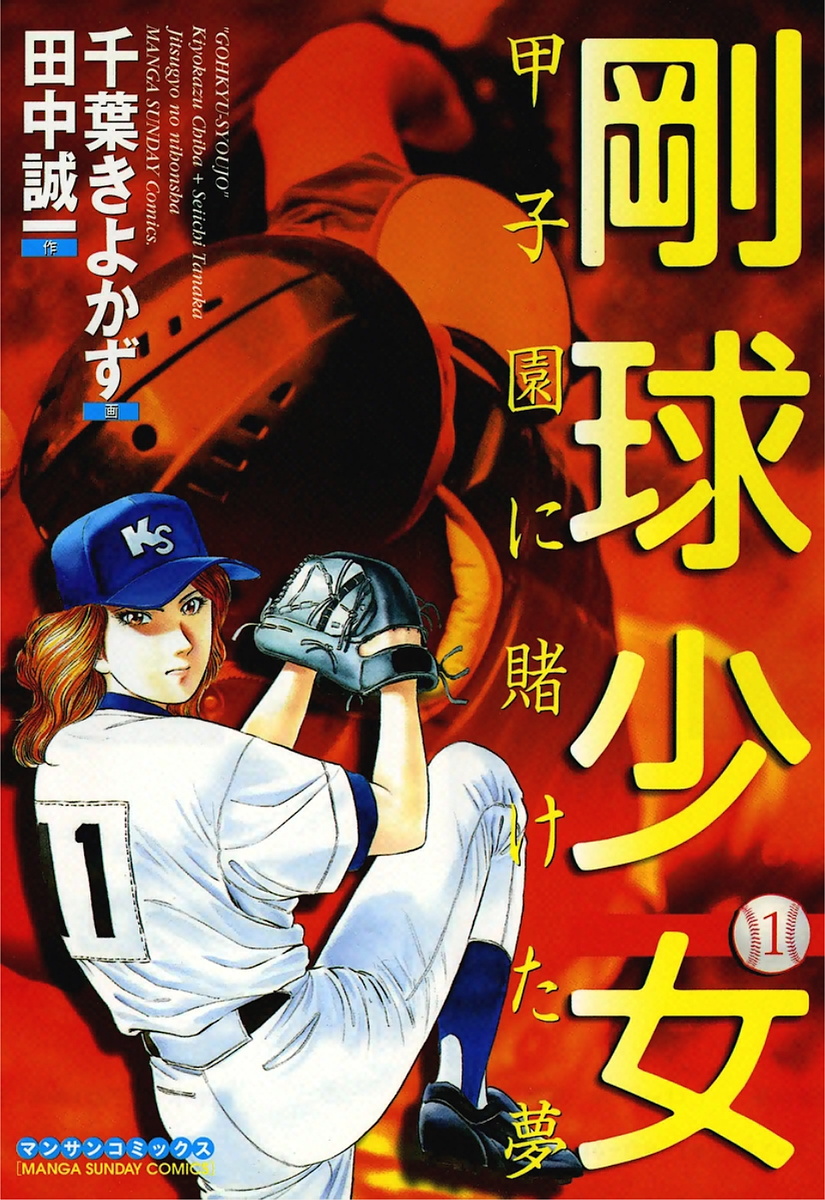
I got through Goukyuu Shoujo volume 1 in two 30-minute sessions. It made me feel silly for all the times I’ve forced myself to slog through some boring, low-quality manga in the hopes that it will get better. It really is the mangaka’s job to make me feel like reading more than a few pages, and despite how generically Goukyuu Shoujo (剛球少女) started out, the team of Seiichi Tanaka and Kiyokazu Chiba kept me turning the pages rapidly and left me profoundly sorry when the book was over. Time to head to Amazon and pick up Goukyuu Shoujo volume 2 and the rest of the series.

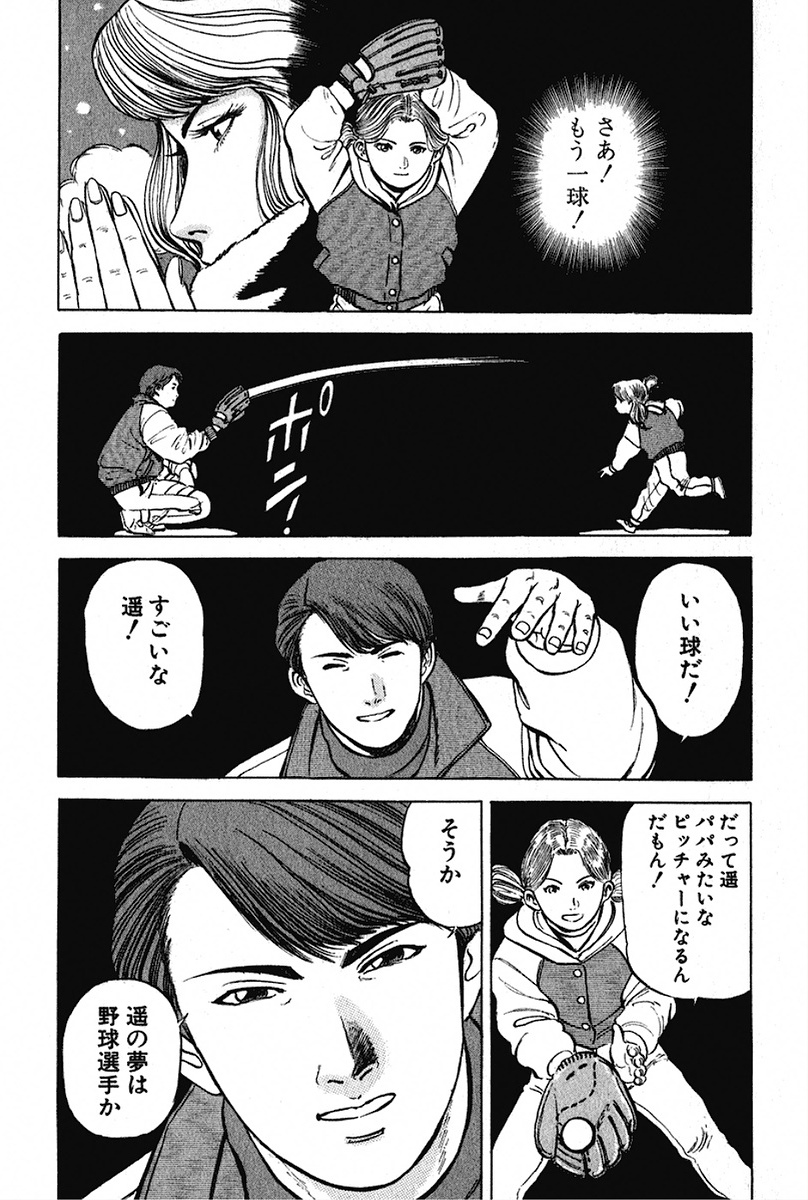
But before that, what is Goukyuu Shoujo about? If you’ve watched Princess Nine and read Shikotama or any other series where a girl tries to join a boy’s baseball team, you already know the whole story. Just as in Princess Nine, the main character Haruka Aso has a father who won Koshien and became a major league pitcher, then got embroiled in a scandal that cost him his job. In P9 the dad’s name is Hayakawa, in Goukyuu his name is Natsukawa. Both fathers also die in a car accident. Hayakawa before he was cleared, Natsukawa after, but before he could resume his major league career. Both fathers also trained their prodigiously-talented only daughters to follow in their footsteps. All coincidence? Of course not.

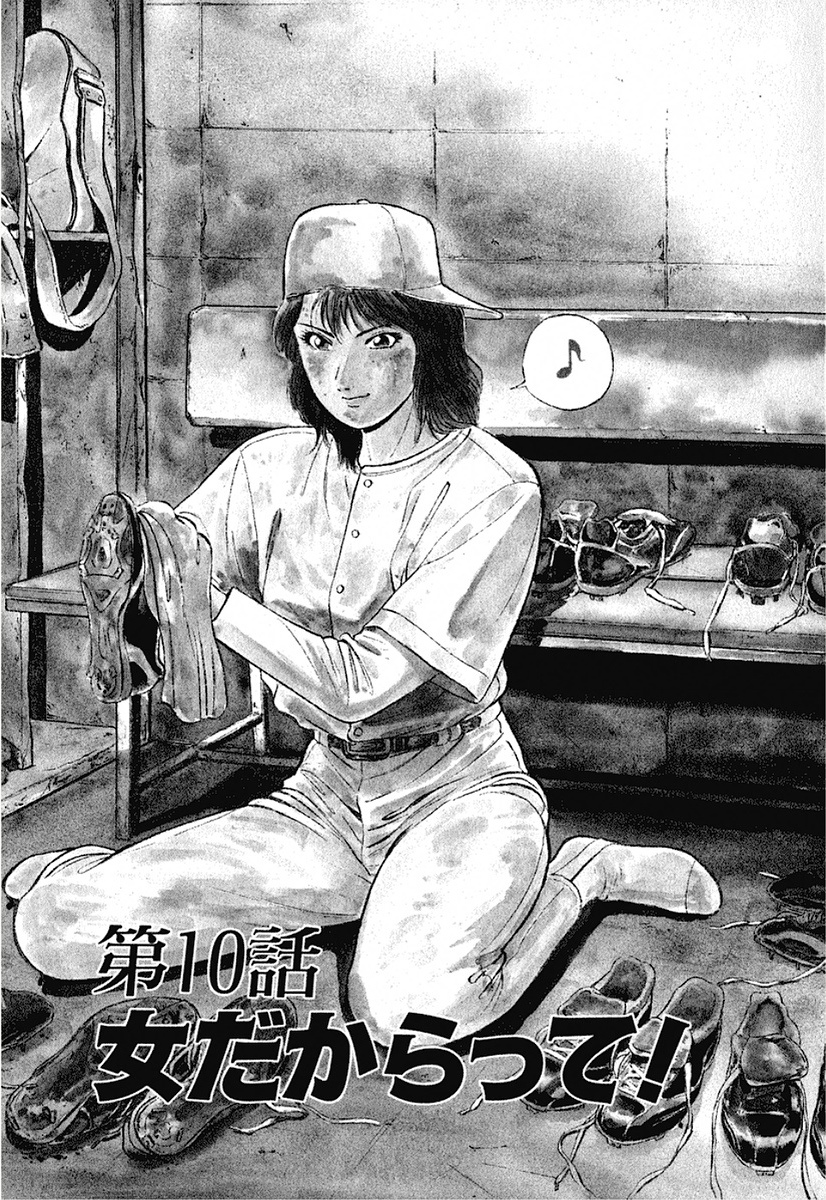
Gokyu-Shojo-012However whereas in P9 Ryo Hayakawa joined a girl’s baseball team, in Goukyuu Shoujo Haruka decides to join the boy’s team in her father’s high school. And, as in Shikotama, the team refuses to let her in because girls can’t play in official games so there’s no point letting her join.

I thought Haruka’s struggles to be accepted would take that bulk of the series, but luckily for her (and me!) a new trainer who just happened to be her dad’s catcher has just been hired and he thinks having Haruka on the team is a great way to shake up the status quo, so he talks the coach into letting her join. Yay!

Unfortunately her struggles aren’t over at that point. While her pitches aren’t that fast, she has great control, and she quickly uses that to strike out the team’s best player (and pitcher) during training. The main coach already wants her out, and now she’s made an enemy of the star player, and he won’t stop at anything to get her off the team. On the other hand the school principal sees her as a good PR gimmick and wants her to pitch in their next practice game… against the strongest team in the prefecture! What does the future hold in store for Haruka?

Gokyu-Shojo-102I can’t wait to find out! As I said the story was nothing new when it started out, but by the end of the first volume it has taken on a life of its own. Haruka herself has changed quite a bit. At first she was grim and gloomy, determined to make it onto the team at all costs, but once she succeeds her original (?) sunny disposition and never-say-die attitude comes to the fore.

To be honest the change does make her feel rather “generic plucky shounen hero”-like but it also makes her that much easier to root for. Cheerful, hardworking girl vs. evil opponents and jealous rivals = the stuff 50% of shoujo manga are made of, after all. Especially when the team catcher is taking more than a passing interest in our little Haruka. Mmhmm…

Enough about that, how’s the baseball action? No official games were played in volume 1, but the little pitching and fielding present was clearly and dynamically presented in an easy-to-follow way. There was rather more “standing and gaping at how awesome Player X is” present than I’m comfortable with, but it was enjoyable nevertheless.

I should also take the chance to mention that the art and the story go together really well like they were both done by the same people. I’ve read several series drawn and written by different people where it seems like the art is going one way while the story is going somewhere different. For example a character will be saying angry words, but his/her portrait doesn’t look that angry at all. Everything in Goukyuu Shoujo meshes well together, and it’s a real pleasure to read.

When I’ve gotten my hands on the 4-volume Bunkoban version I hope to be able to review the rest of the series, though I’ll do my best not to spoil the subsequent story because this is something that’s more fun to read for yourself.
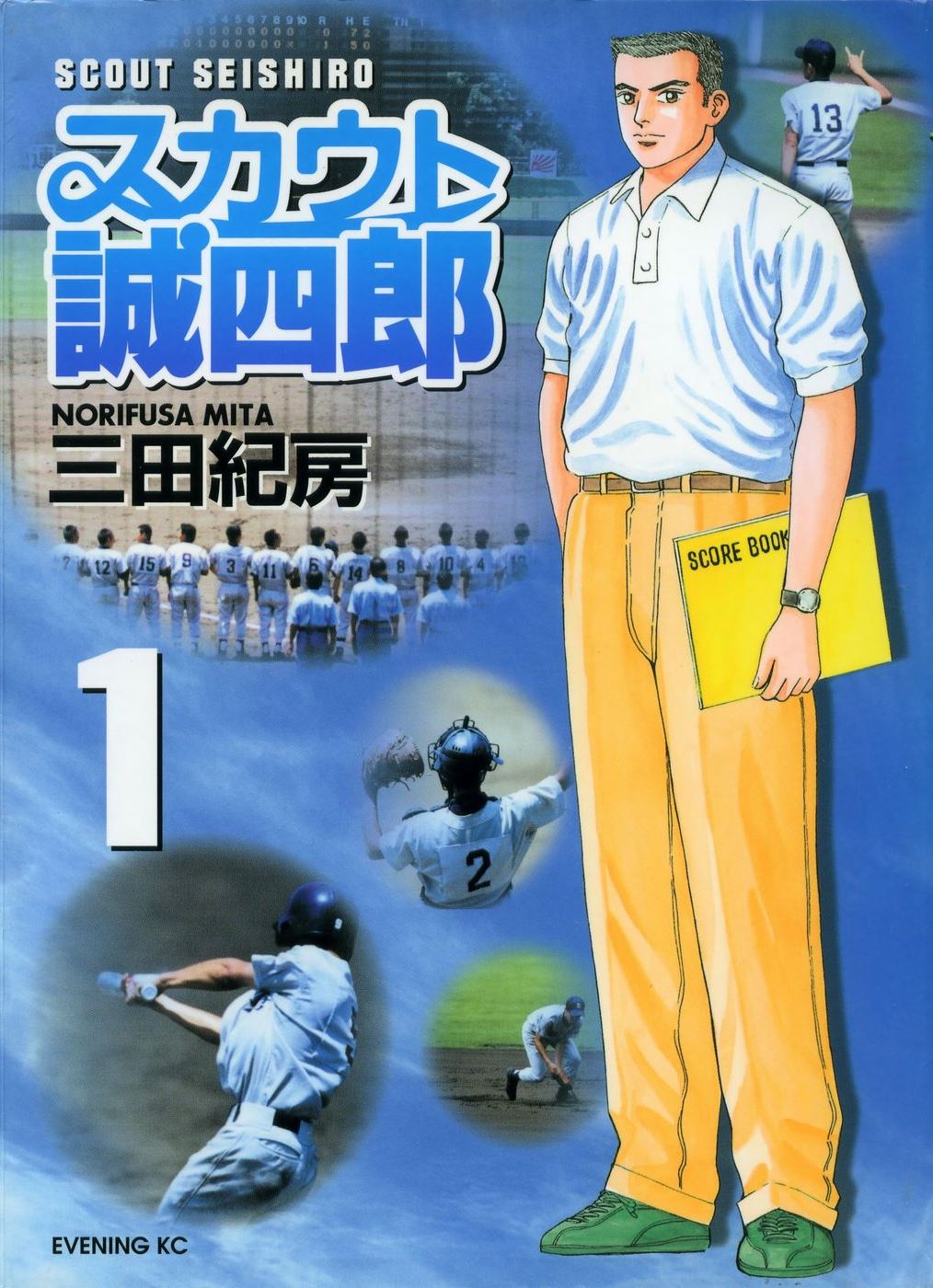
Scout Seishirou manga review

Norifusa Mita is fairly well-known in Japan for his seinen series, most of which revolve around sports. Western manga fans probably only know him for either Investor Z, which Crunchyroll has been releasing, or Dragon Zakura, which was so popular it even got made into a movie. I haven’t read Dragon Zakura and I don’t plan to do so immediately, but I do plan to follow more of Mita’s stuff because he writes a lot of… baseball manga. Yes, I’m still at it. Most of his stuff is fairly long, so I thought I’d cut my teeth on his shortest series, Scout Seishirou.

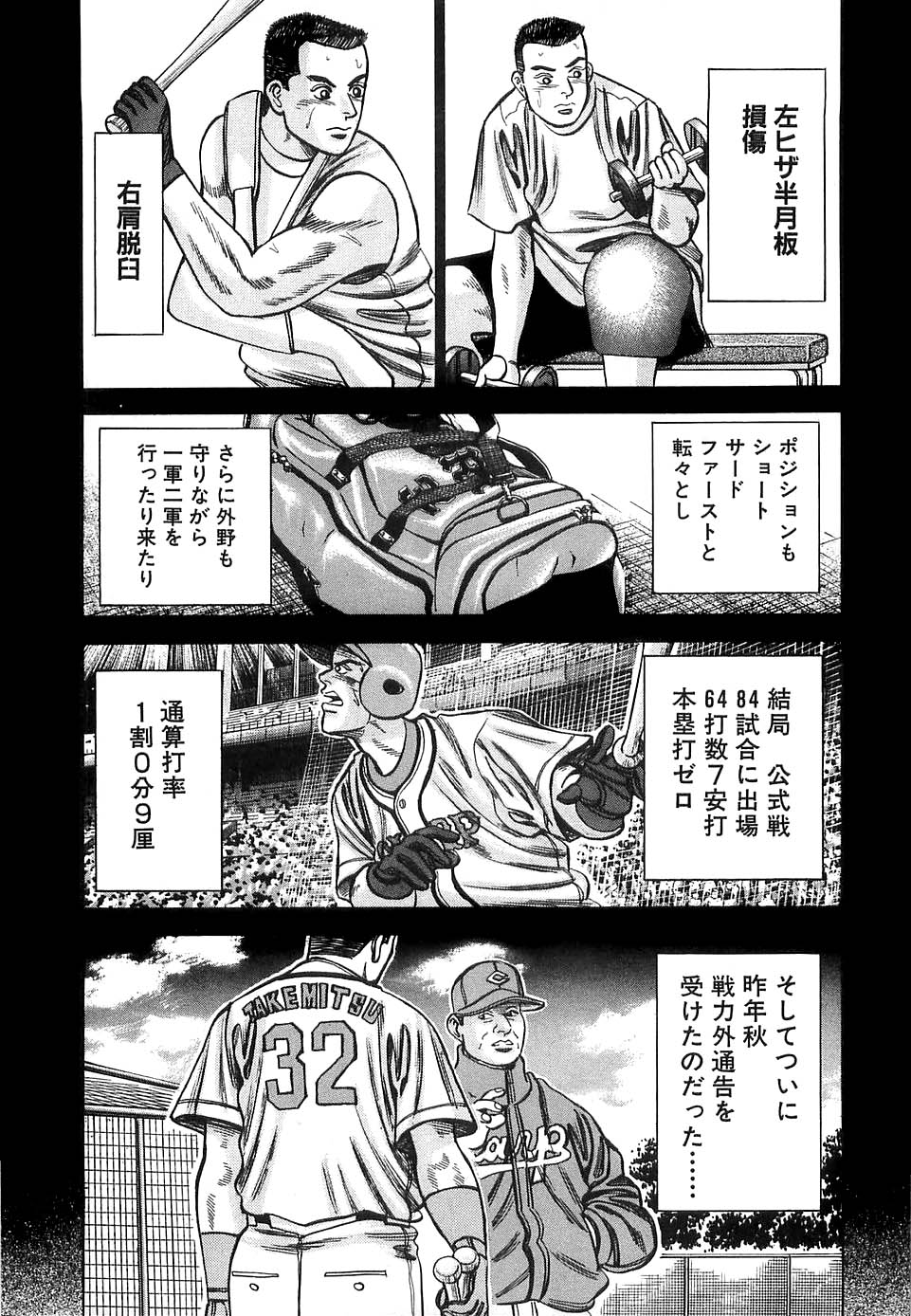
What happens to failed baseball players when they retire or get canned? If they’re like Seishirou Takemitsu, they go out and get a job like everyone else. Unfortunately Sei has never done anything except play baseball, so he’s terrible at his new job. That’s why he jumps at the chance when his old team hires him back as a baseball scout. Through the eyes of Seishirou, Norifusa Mita takes a look at the baseball scouting process in Japan, from finding a future star to drafting and signing him.

Scout Seishirou is only 2 volumes long, but it does give a taste of the kind of challenges scouts face when trying to sign a player. First off, if the player is any good then you’ll have to fight your way through a swarm of other team scouts to get him. So you want your player to have superstar talents, but at the same time you don’t want him to stand out too much, so it’s a bittersweet feeling when he does.

skFile008_sApart from competition from other teams, scouts also have to deal with opposition from the player’s family and also help the players overcome their own doubts about their abilities and about going pro. It’s a lot of legwork and traveling, and it’s also hard psychologically because you might go through the trouble of talking a player into wanting to sign for your team… then your team decides not to draft him after all. Not. Cool. But it’s part of being a scout. The manga did tackle (briefly) why teams might choose to sign one player over another even if they both seem equally talented. Attitude seems to have a lot to do with it.

The main character himself can be a bit annoying because he’s a bit timid and wishy-washy, but the manga establishes from the start that that’s his great character flaw and the reason why he quickly got cut from the majors. And he does get a bit better over the course of the series, if only because sitting on your bum whining is sure to get your player signed under you, and then what will you do?

It was an interesting introduction to life behind the scenes in a baseball team, though it did leave a few questions unanswered. Like, for example, how much do Japanese pro scouts make? Do they get any extra money if a player of theirs is signed? Does their stock fall in the company if their player turns out to be a dud?

If questions like that intrigue you, you might be better off reading about the Baseball Scout School the MLB runs in the Dominican Republic instead. But if you’re looking for a short, well-drawn and unexpectedly interesting introduction to the subject then definitely give Scout Seishirou a try. And now it’s time for me to move on to some of Norifusa Mita’s meatier stuff.